Products
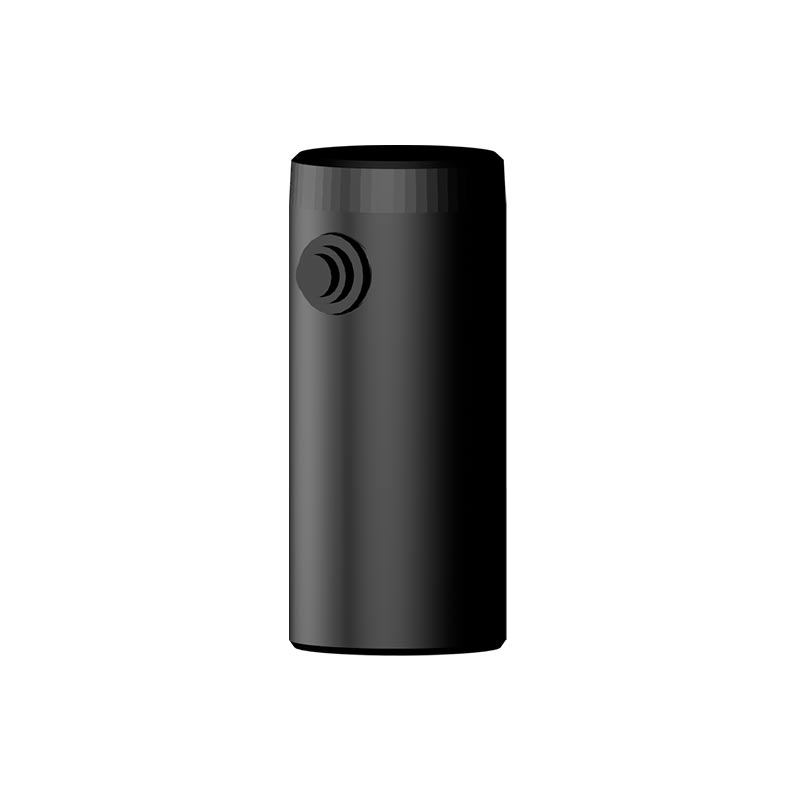
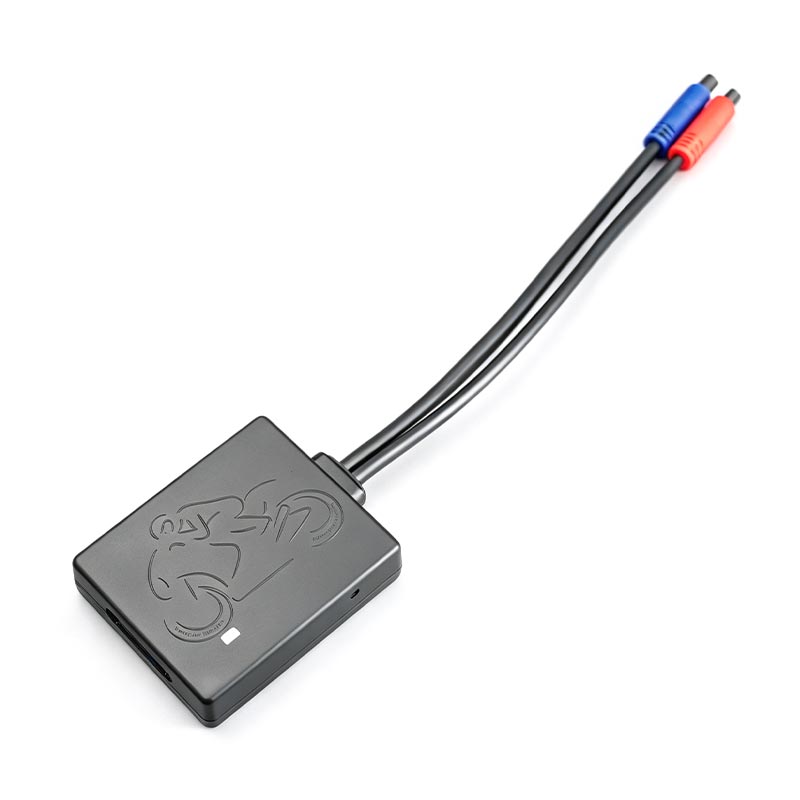
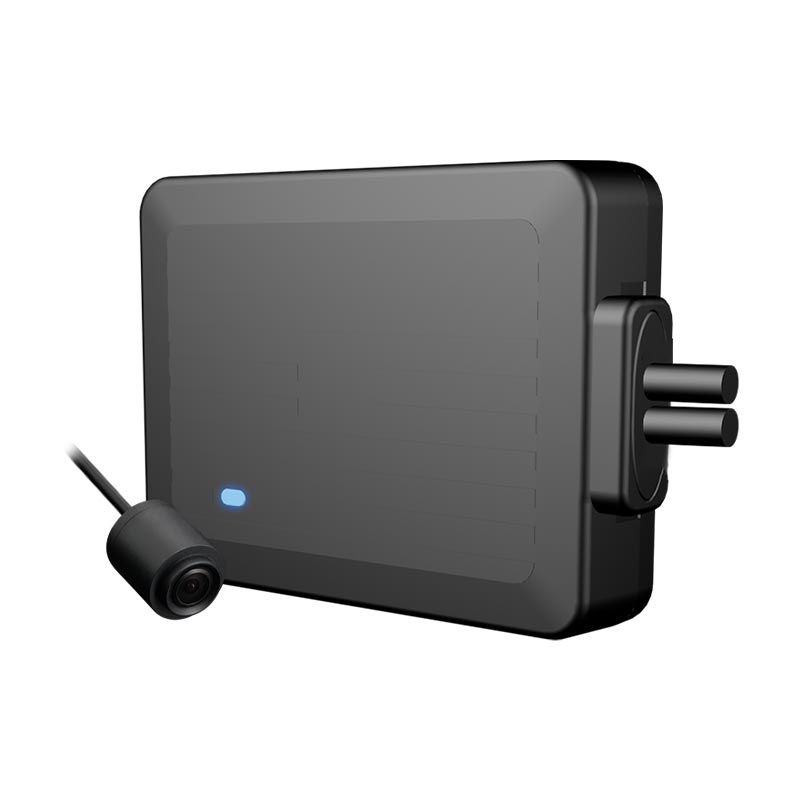
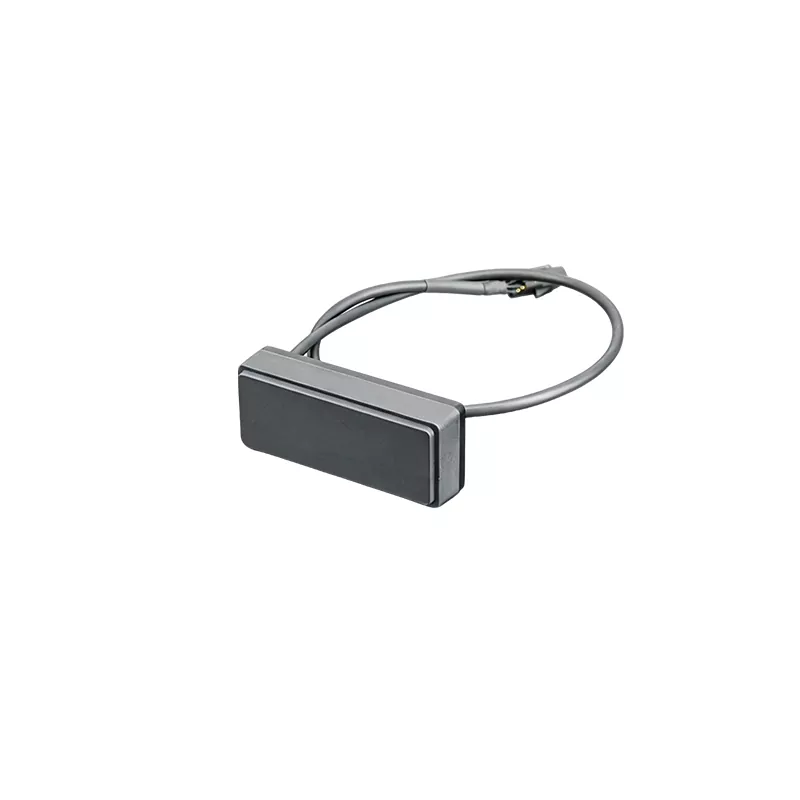
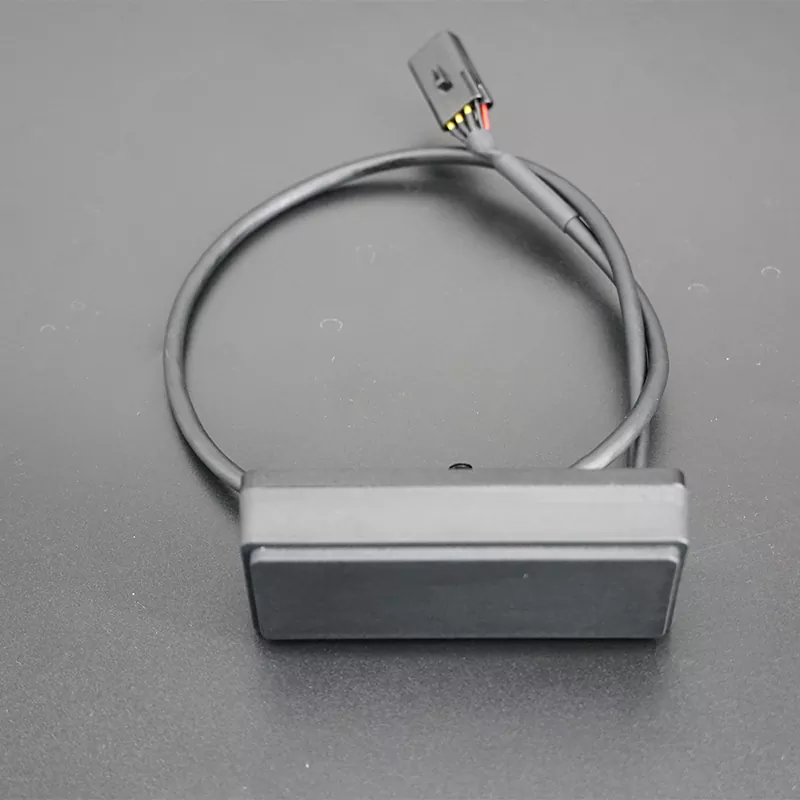
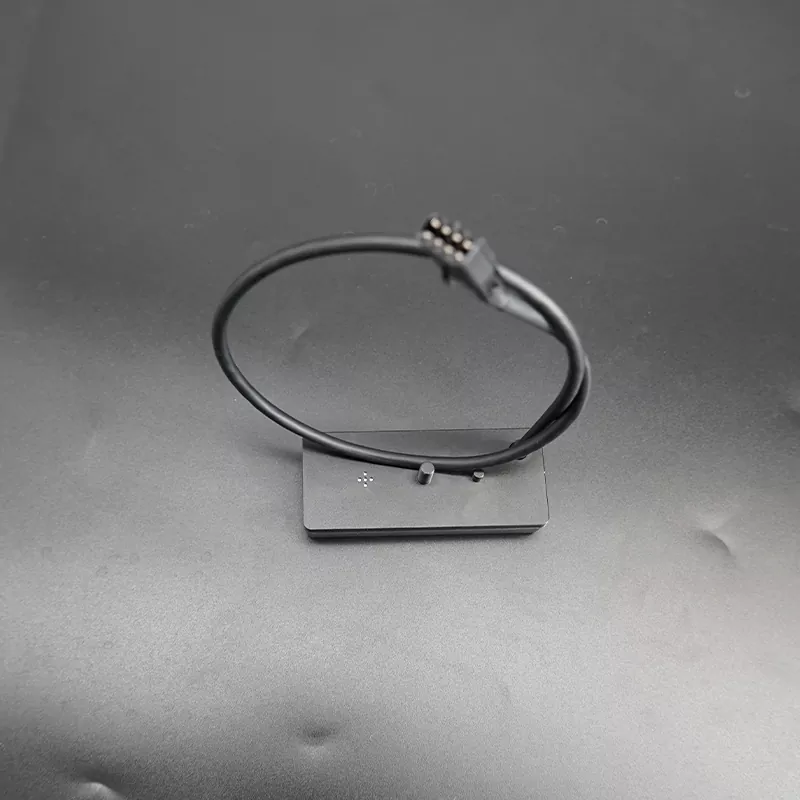
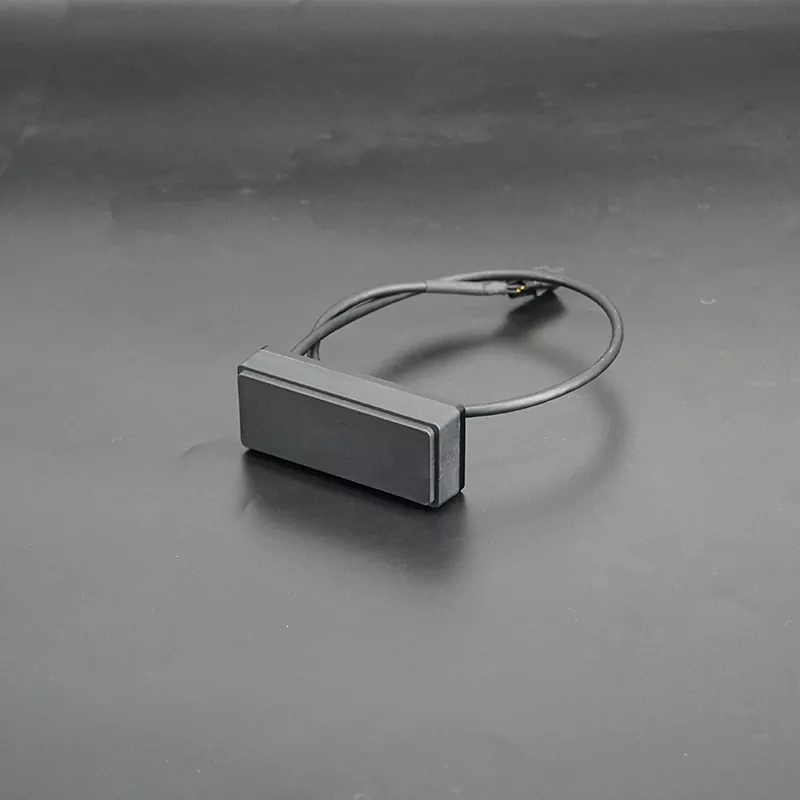
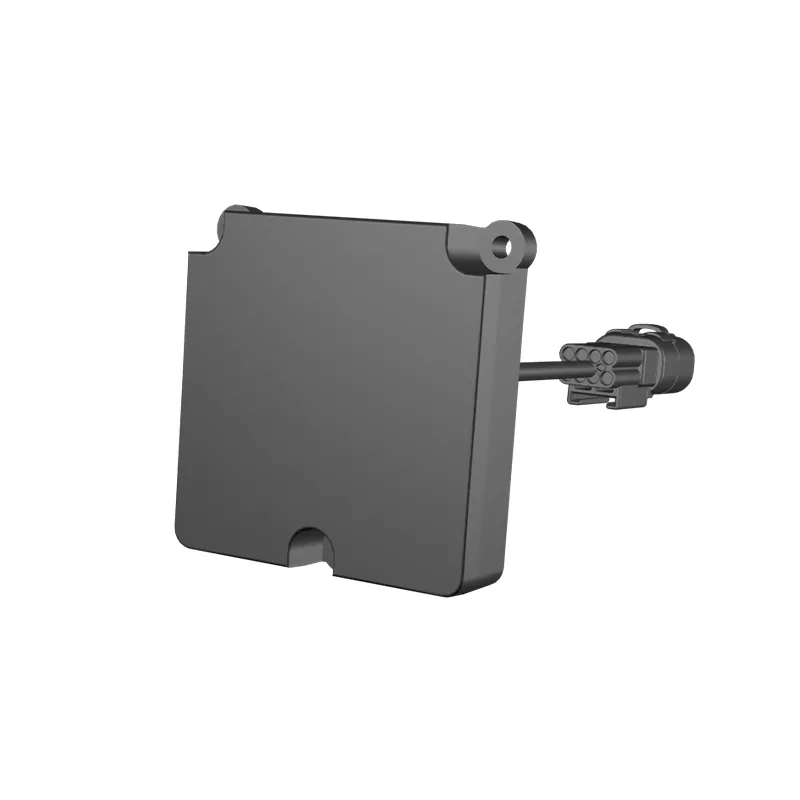
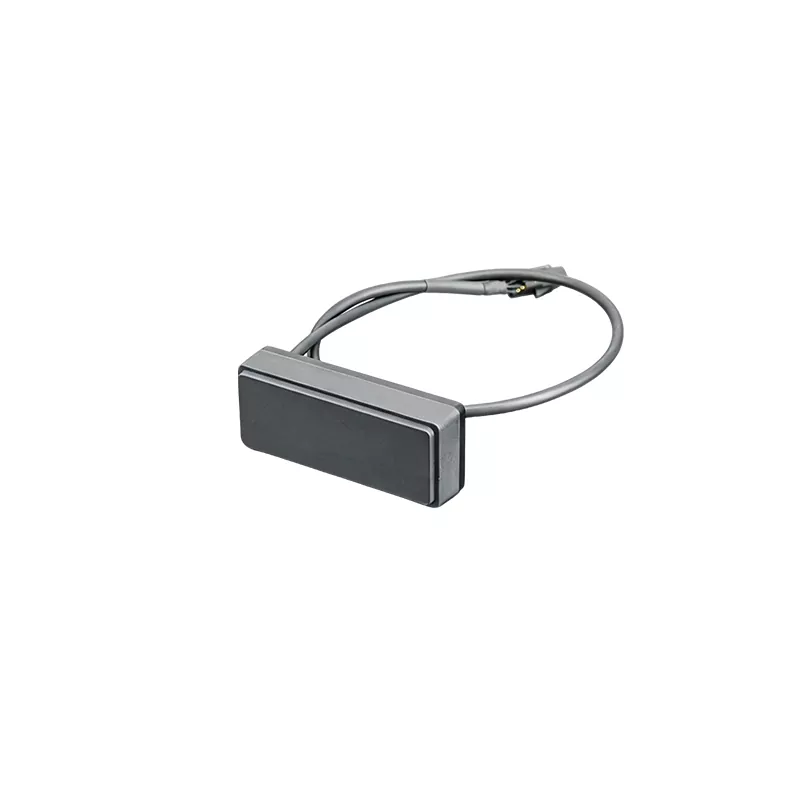
77–79 GHz Millimeter-Wave Radar Blind Spot Warning
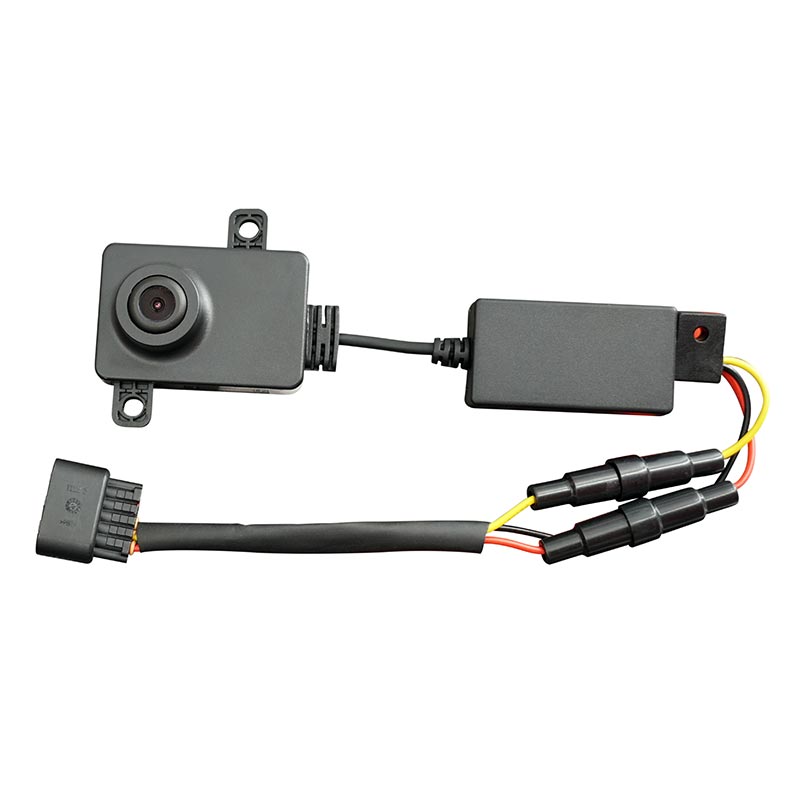
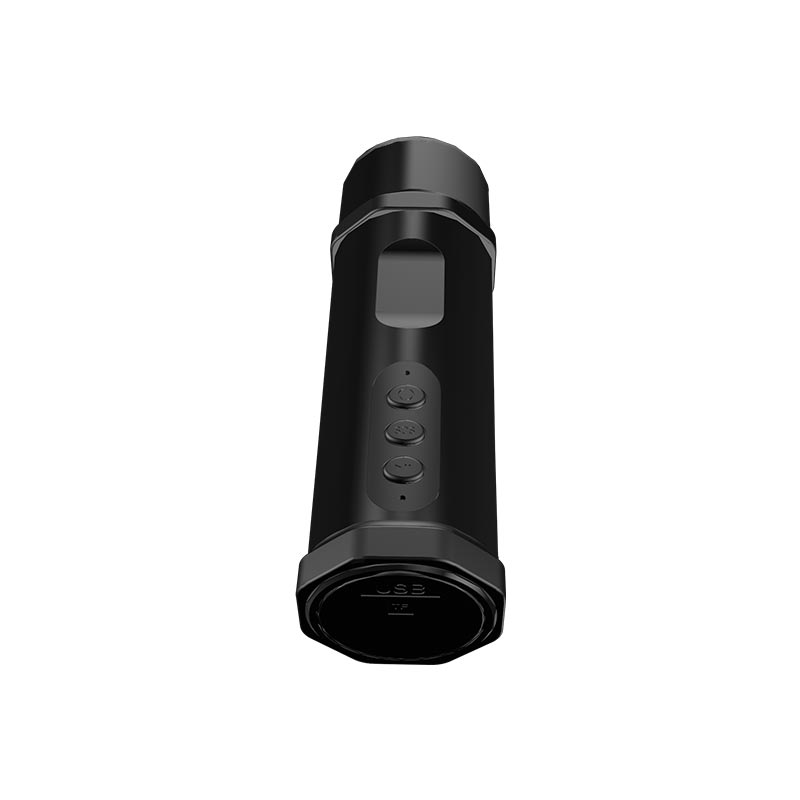
BOSHI 77–79 GHz Millimeter-Wave Radar Blind Spot Warning System is an advanced active safety radar module developed for motorcycles, electric motorcycles, and intelligent two-wheeler platforms. Based on FMCW (Frequency Modulated Continuous Wave) millimeter-wave technology, the radar provides accurate detection of surrounding moving objects and delivers early warnings for blind spots, unsafe lane changes, and rear approaching vehicles.
Unlike traditional rearview mirrors or camera-based monitoring systems, this 77–79 GHz Millimeter-Wave Radar Blind Spot Warning can operate independently in darkness, rain, fog, and strong backlight environments. It can identify different road participants including vehicles, electric motorcycles, and pedestrians, providing a safer riding experience and a reliable intelligent safety solution for motorcycle manufacturers, fleet operators, and global aftermarket suppliers.
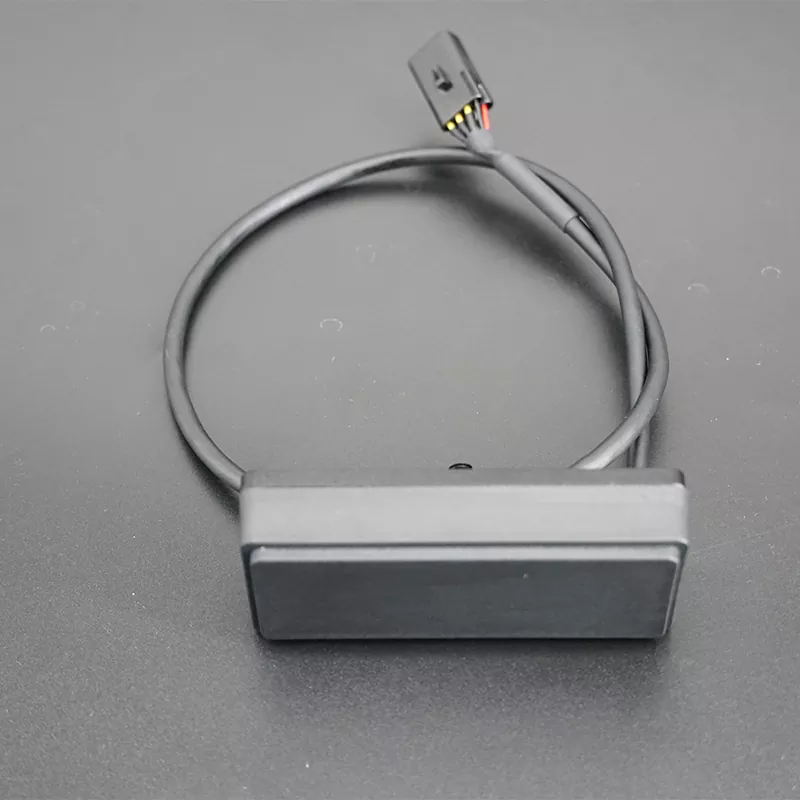
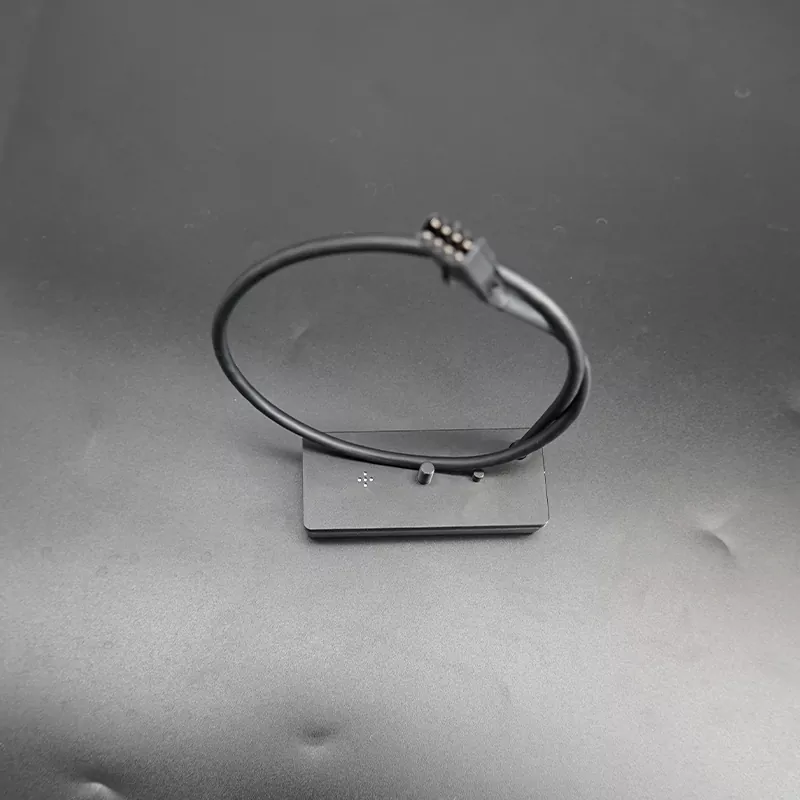
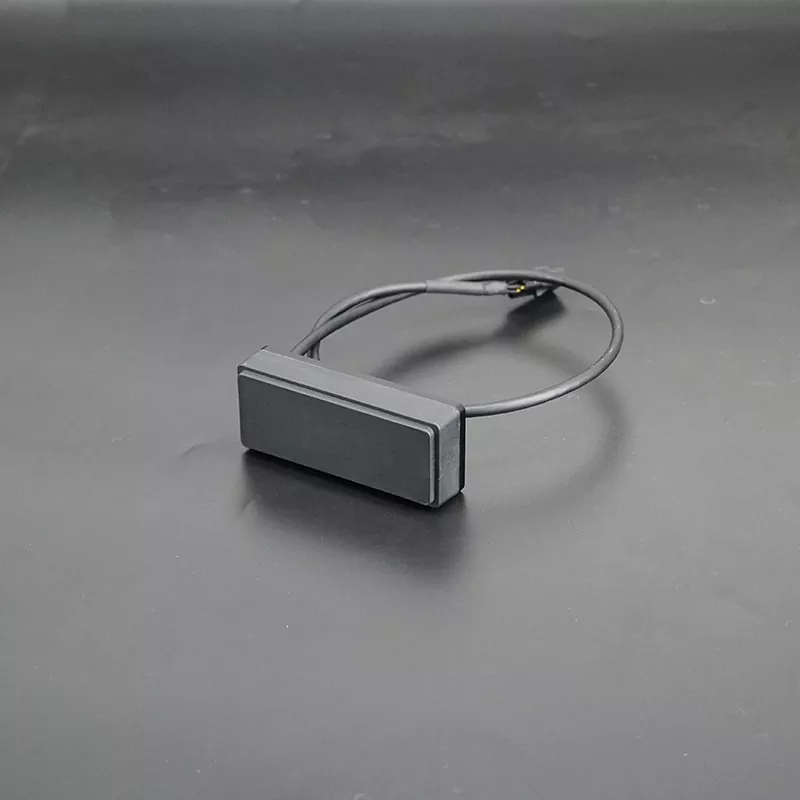
Why Motorcycle Manufacturers Are Moving Toward Millimeter-Wave Radar Safety Systems?
1. Rearview Mirrors Cannot Solve Modern Two-Wheeler Safety Problems
As urban traffic becomes increasingly complex, motorcycles and electric scooters face more safety risks during lane changes, overtaking, and crowded road riding.
Traditional mirrors only provide limited rear visibility and cannot accurately detect vehicles approaching quickly from side-rear blind areas. Riders often need to turn their heads before changing lanes, increasing reaction time and reducing control stability.
BOSHI 77–79 GHz Millimeter-Wave Radar Blind Spot Warning continuously monitors surrounding moving targets and provides real-time warnings before dangerous situations happen, transforming passive riding protection into active safety assistance.
2. Radar Technology Provides More Reliable Detection Than Visual Systems
Camera-based blind spot detection systems depend heavily on environmental conditions. Night riding, heavy rain, fog, and strong sunlight may affect image recognition accuracy.
77–79GHz FMCW radar technology uses electromagnetic sensing instead of visual recognition. It can maintain stable detection performance regardless of lighting conditions and can accurately measure target distance, speed, and direction. This makes it especially suitable for motorcycles, electric scooters, and delivery vehicles operating in changing outdoor environments.
Core Technology Advantages of BOSHI 77–79 GHz Radar Module
1. 77–79 GHz FMCW Technology for Accurate Road Object Detection
The BOSHI 77–79 GHz Millimeter-Wave Radar Blind Spot Warning uses industrial-grade FMCW radar technology with a 2Tx2Rx antenna configuration. Operating in the 77–79 GHz frequency band, the radar provides high-resolution detection, strong interference resistance, and stable performance in complex traffic environments.
With a horizontal detection angle of ±60°, the radar monitors areas on both sides and behind the motorcycle, helping identify vehicles and other moving objects entering the rider's blind spots.
2. Intelligent Target Classification for Reduced False Alarms
Accurately distinguishing potential hazards from harmless objects is essential for motorcycle safety systems. BOSHI radar combines radar reflection characteristics with intelligent target classification algorithms to identify different types of moving road users.
The system can detect motor vehicles at distances of up to 65 meters, electric two-wheelers up to 35 meters, and pedestrians up to 21 meters. It can also track up to 16 moving targets simultaneously, supporting reliable object recognition in busy urban traffic and multi-vehicle riding scenarios.
3. Fast Data Processing for Real-Time Warning
The radar provides ranging accuracy of ±0.5 m, speed measurement accuracy of ±0.5 m/s, angle measurement accuracy of ±3°, and a data refresh cycle of 100 ms. The short refresh cycle enables the system to respond quickly to approaching vehicles during overtaking, lane changes, and other dynamic riding situations. By providing timely information about surrounding traffic, the radar gives riders more time to assess road conditions and take appropriate action.
Three Safety Functions for Two-Wheeler Applications
1. BSD Blind Spot Detection
The BSD function continuously monitors the side and rear areas of the motorcycle for approaching vehicles. When a moving target enters the defined blind spot and presents a potential risk, the system can trigger a connected warning indicator. This function is particularly useful in urban traffic, where motorcycles frequently travel alongside cars, electric scooters, and other two-wheelers.
2. LCA Lane Change Assist
The LCA function evaluates the distance and approaching speed of vehicles behind the motorcycle during lane changes. When a vehicle is closing at a potentially unsafe rate, the system can provide an appropriate warning through the connected vehicle interface. This makes the radar suitable for overtaking and lane-changing scenarios on highways, urban roads, and multi-lane intersections.
3. RCW Rear Collision Warning
The RCW function monitors vehicles approaching from directly behind the motorcycle. When a fast-approaching vehicle creates a potential rear-end collision risk, the system can issue an advance warning to help the rider respond. It is especially useful in traffic congestion, temporary stops, low-speed riding, and other situations where motorcycles may be vulnerable to rear impacts.
Designed for OEM Integration and Large-Scale Production
1. Multiple Communication Interfaces for Flexible Integration
For motorcycle manufacturers, system integrators, and intelligent vehicle developers, communication compatibility is an important consideration when selecting a radar module. The BOSHI radar supports multiple output interfaces, including CAN Bus, 12V/5V high- and low-level signals, and TTL output.
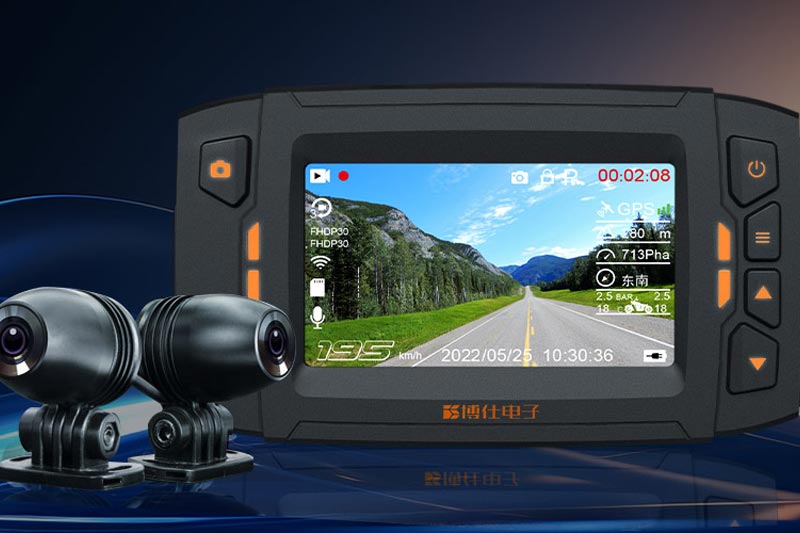
These interfaces can be integrated with motorcycle electrical systems, warning indicators, dashcams, vehicle control units, and intelligent TBOX platforms. The flexible communication architecture helps manufacturers adapt the radar to different vehicle platforms and safety system configurations.
2. Suitable for OEM Installation and Aftermarket Upgrades
The compact radar module is suitable for both new vehicle development and existing motorcycle safety upgrades. Typical applications include new motorcycle model development, intelligent electric scooter upgrades, premium aftermarket safety accessories, and delivery fleet safety improvement projects.
For distributors and OEM customers, the same radar platform can be adapted to different two-wheeler models and market requirements, supporting scalable product development and deployment.
Reliability Testing and Environmental Adaptability
1. Multi-Target Recognition Testing
The BOSHI 77–79 GHz Millimeter-Wave Radar Blind Spot Warning has undergone multi-target recognition testing in complex traffic environments. The radar can track multiple moving objects simultaneously while classifying different road users, including motor vehicles, electric two-wheelers, and pedestrians.
This multi-target capability helps reduce unnecessary warnings caused by non-threatening objects and improves the consistency of blind spot monitoring.
2. Performance Under Different Environmental Conditions
Unlike camera-based systems that depend heavily on ambient lighting, millimeter-wave radar can detect objects without relying on external illumination. BOSHI radar has been evaluated under conditions including rain, fog, nighttime riding, strong sunlight, and electromagnetic interference environments. This makes the radar suitable for motorcycle safety applications where stable detection is required across changing weather and lighting conditions.
3. Communication and Vehicle Compatibility Testing
The radar's communication interfaces have been tested with different warning devices and vehicle electronic architectures. Support for CAN, TTL, and voltage-level signal outputs allows the module to connect with a variety of motorcycle electronic systems and intelligent safety components.
This compatibility provides OEM manufacturers, system integrators, and aftermarket distributors with greater flexibility when developing motorcycle blind spot warning and rider-assistance solutions.
Typical Application Scenarios
1. Daily Urban Motorcycle Commuting
Urban riders frequently encounter vehicles entering blind spots during traffic congestion.
BOSHI radar helps commuters detect approaching cars, electric scooters, and pedestrians, reducing risks during lane changes and overtaking.
2. Highway Motorcycle Touring
Long-distance riders often face difficulty judging vehicles approaching from behind at high speed.
With up to 65-meter vehicle detection capability, the radar provides additional safety awareness during highway riding and mountain road travel.
3. Delivery and Logistics Two-Wheeler Fleets
Delivery riders operate for long hours in changing weather conditions.
The radar helps reduce collision risks caused by poor visibility and supports integration with fleet safety management systems.
4. Motorcycle OEM Manufacturers and Global Distributors
For motorcycle brands and international suppliers, BOSHI radar provides a differentiated intelligent safety solution.
Its multi-target recognition, flexible interfaces, and OEM-friendly design make it suitable for mass production projects and overseas distribution.
Product Comparison: BOSHI Radar vs Traditional Safety Solutions
| Feature | Rearview Mirror | Camera Detection System | BOSHI 77–79GHz Radar |
| Blind Spot Detection | Limited | Available | Available |
| Night Operation | Poor | Reduced | Stable |
| Rain/Fog Resistance | Limited | Affected | Strong |
| Target Classification | No | Image Recognition | Vehicle/E-bike/Pedestrian |
| Maximum Vehicle Detection | Limited | Depends on Camera | 65m |
| Multi-target Tracking | No | Limited | Up to 16 Targets |
| OEM Integration | Difficult | Complex Calibration | CAN/TTL Support |
Frequently Asked Questions
1. What makes 77–79GHz radar different from traditional radar?
77–79GHz FMCW radar provides higher measurement accuracy, stronger interference resistance, and better target classification capability compared with traditional low-frequency radar systems.
2. Can the radar identify pedestrians and electric bicycles?
Yes. The radar can classify vehicles, electric motorcycles, and pedestrians according to different radar reflection characteristics.
3. How many targets can the radar track at the same time?
The system supports simultaneous tracking of up to 16 moving targets, making it suitable for complex urban traffic environments.
4. Can manufacturers integrate this radar into their own motorcycle models?
Yes. The radar supports CAN, TTL, and voltage-level outputs, allowing integration with motorcycle electronic systems and warning devices.
5. Is the radar suitable for overseas markets?
Yes. The radar works reliably in different climates including rain, fog, high brightness, and night environments, making it suitable for global motorcycle markets.
Why Choose BOSHI 77–79 GHz Millimeter-Wave Radar?
BOSHI 77–79 GHz Millimeter-Wave Radar Blind Spot Warning System combines high-frequency FMCW sensing technology, intelligent target classification, multi-target tracking, and flexible vehicle integration.
Compared with traditional mirrors and camera-based solutions, it provides more stable all-weather detection and more accurate safety warnings.
For motorcycle manufacturers, aftermarket suppliers, and international distributors, BOSHI offers a scalable active safety radar solution designed for the future of intelligent two-wheel mobility.
Hot Tags: 77–79 GHz Millimeter-Wave Radar Blind Spot Warning, blind spot warning sensor, automotive blind spot detection radar
Send Inquiry
Contact Info
-
Address
No.116, Zhen'an West Road, Chang'an Town, Dongguan City, Guangdong Province, China
-
Tel
-
E-mail
If you have any inquiry about a quotation or cooperation, please feel free to email or use the following inquiry form. Our sales representative will contact you within 24 hours.