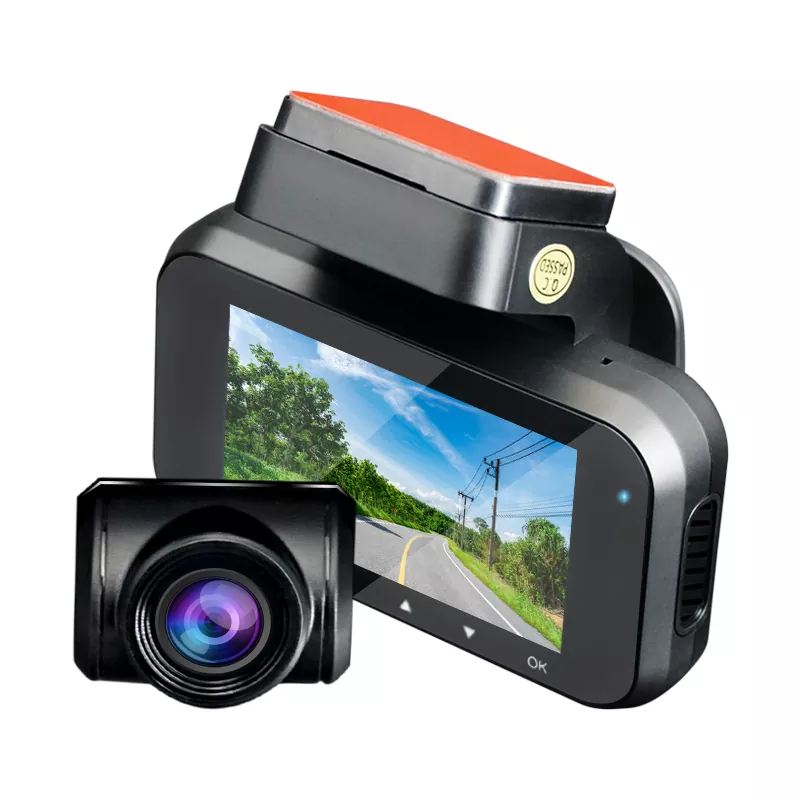
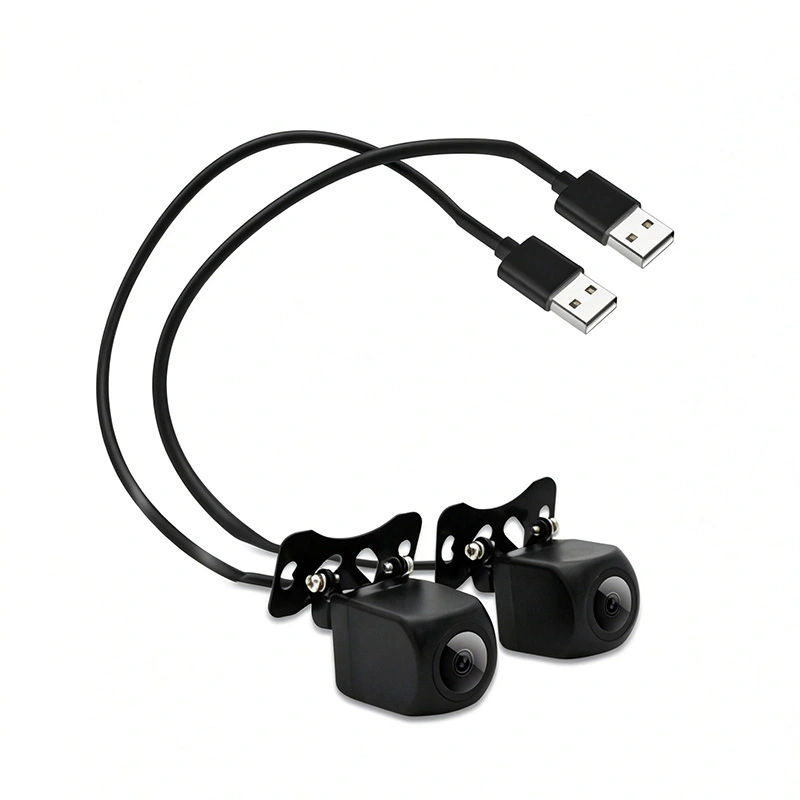
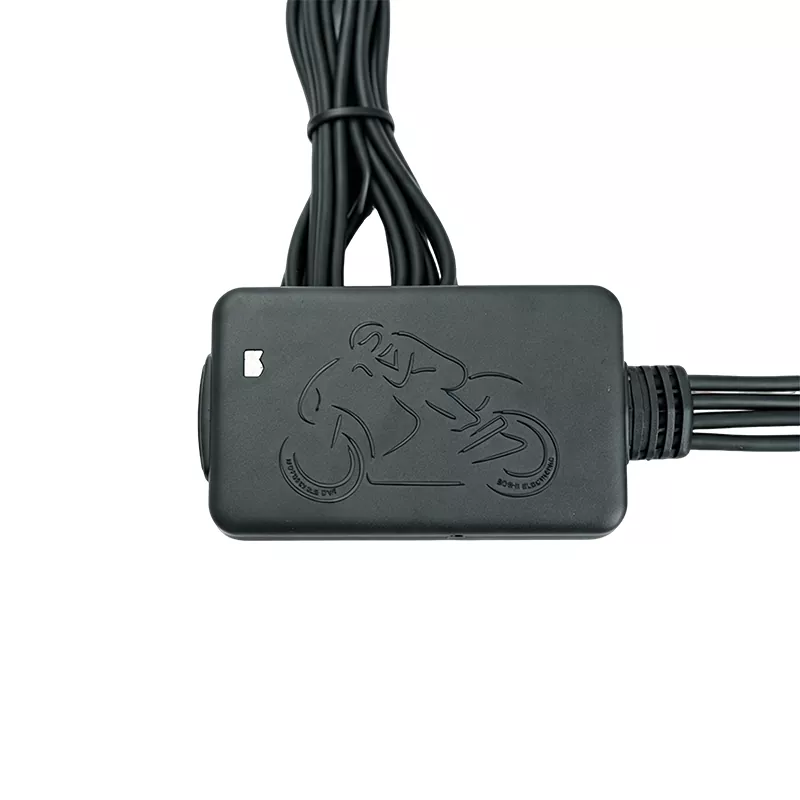
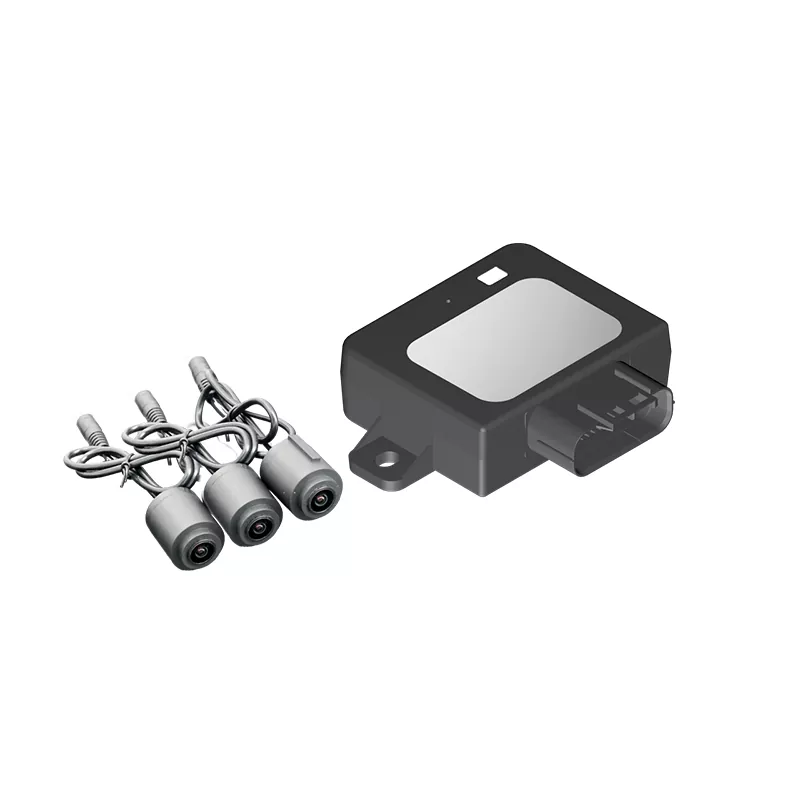
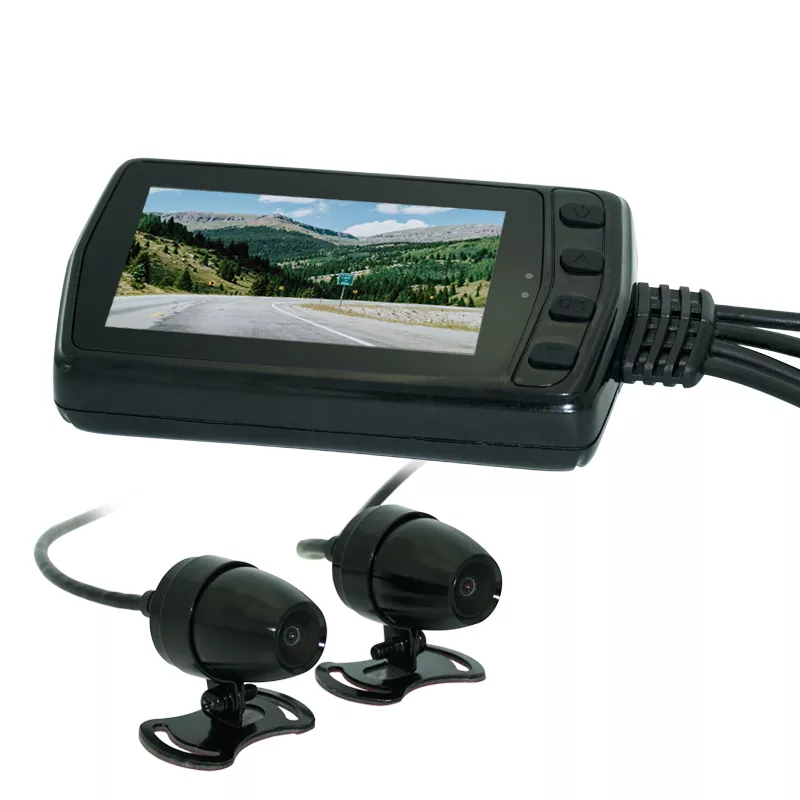
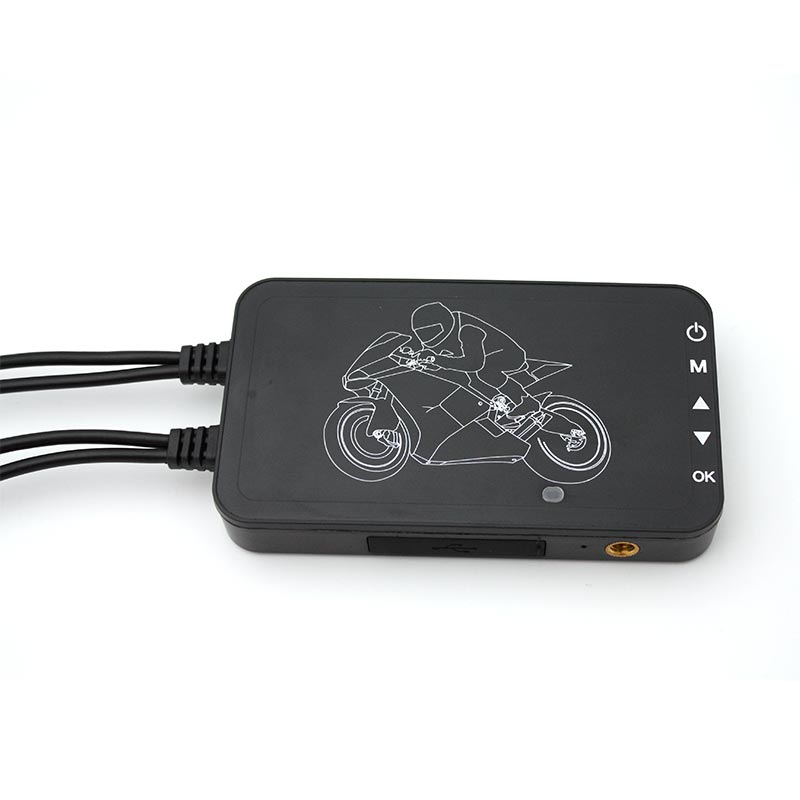
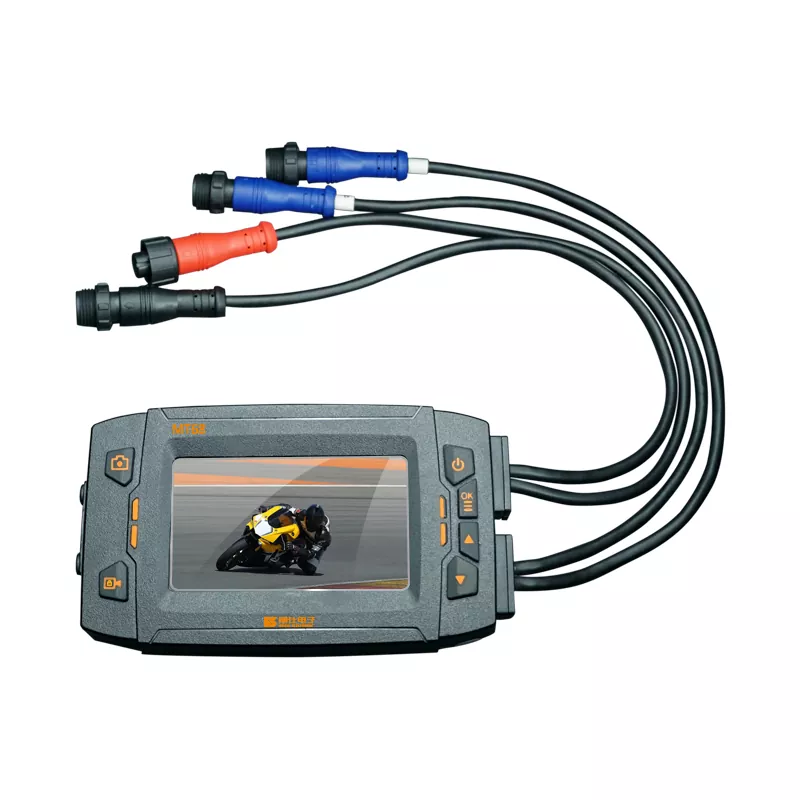
In the first half of 2026, the automotive dashcam market maintained steady growth. Third-party monitoring data shows that category-wide retail sales across all channels increased by approximately 9% year-over-year, with online platforms contributing more than 70% of the total. Industry analysis indicates that consumer selection criteria are shifting from "basic recordability" to "full-time high-definition evidence capture," with nighttime imaging performance and synchronized front-and-rear dual-channel recording emerging as core purchasing drivers.
Technology upgrades have been particularly intensive this year. Several manufacturers released next-generation imaging solutions in the second quarter, typically employing wide dynamic range image sensors and multi-frame synthesis algorithms to suppress overexposure and blackout issues in high-contrast scenarios such as backlighting and tunnel entrances.
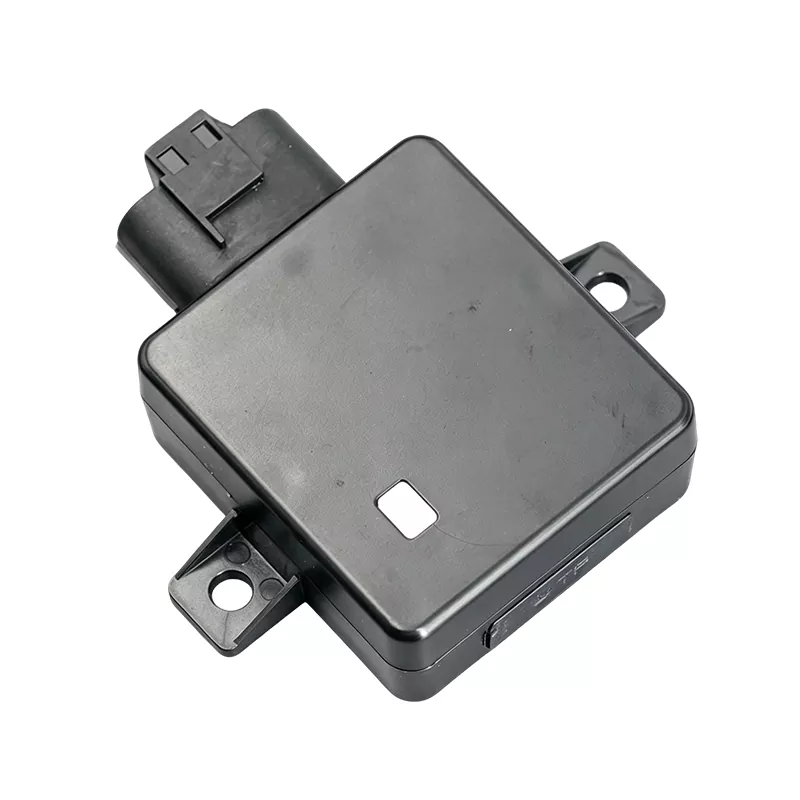
Meanwhile, parking monitoring functions have seen significant enhancements. The combination of low-power sleep technology and collision-triggered wake-up mechanisms enables devices to maintain sentry-mode operation for more than 48 hours after engine shutdown without noticeably draining the vehicle battery. Some advanced models have also introduced radar-wave sensing modules that pre-activate recording when objects approach, reducing unnecessary data writes and improving storage efficiency.
Smart Assistance Features Expanding Dashcam Applications
The penetration rate of smart assistance features is rising rapidly. Vision-based light-duty driver assistance capabilities—including lane departure warnings, front-vehicle departure reminders, and green-light pass alerts—are extending from the original-equipment market into aftermarket dashcam products.
These intelligent functions do not rely on vehicle bus communication but instead output audio and visual alerts through image stream analysis alone, lowering installation barriers for users. Industry observers note that the functional boundaries of dashcams have become increasingly diversified. Modern dashcams now serve both as reliable accident investigation instruments and as practical driving behavior improvement tools.
Market Competition and Product Differentiation of Dashcam Solutions
The supply side displays a tiered competitive structure. Entry-level products maintain stable or slightly declining prices, with functionality mainly focused on basic recording and loop overwriting. Mid-to-high-end models compete around image optimization, night-vision performance, and multi-channel recording integration.
Notably, consumer attention to storage media and data transfer speeds has increased, with high-endurance memory cards supporting fast writes becoming increasingly popular as bundled accessories. Manufacturers are placing greater emphasis on overall system stability, data security, and long-term operating reliability to meet diverse driving scenarios.
Future Development Direction of Automotive Dashcams
Looking toward the second half of 2026, as image processing chip computing power continues to improve, automotive dashcams are expected to undertake more real-time analytical tasks and become further integrated into the mobile mobility safety network.
However, alongside continuous feature enrichment, stability and durability remain the fundamental benchmarks for evaluating each manufacturer's engineering capabilities. Future dashcam products will continue evolving toward higher image quality, smarter assistance functions, stronger data management capabilities, and more reliable driving safety protection.
We use cookies to offer you a better browsing experience, analyze site traffic and personalize content. By using this site, you agree to our use of cookies. Privacy Policy