Products
OEM Millimeter-Wave Radar Blind Spot Warning System for Commercial Vehicles
Boshi Millimeter-Wave Radar Blind Spot Warning is an active safety sensing solution designed to detect vehicles and obstacles in side and rear blind zones that may not be fully visible through conventional cameras. It is suitable for motorcycles, passenger vehicles, commercial vehicles, fleet systems, and dashcam platforms that require additional blind-spot detection.
Unlike camera-only monitoring, millimeter-wave radar measures target distance and movement through radio-frequency sensing. The system can continue detecting surrounding objects in conditions such as rain, fog, darkness, and reduced visibility, providing an additional sensing layer for vehicle safety systems.
For B2B buyers, radar selection depends on more than detection distance. Frequency band, false-alarm control, installation space, power consumption, communication compatibility, and integration with existing dashcams or vehicle electronics all affect the final system performance. Boshi supports radar configuration and joint debugging according to the target vehicle and application.
Key Features
A vehicle's blind zone can change according to its body structure, camera position, driving speed, and surrounding traffic. A camera can provide visual information, but its performance may be affected by darkness, rain, fog, glare, or objects partially hidden outside the camera's field of view.
Boshi millimeter-wave radar uses electromagnetic waves to detect targets around the vehicle and provide distance-related sensing information. When a vehicle or obstacle enters the defined detection area, the radar can send an alarm signal to a compatible dashcam, display, or vehicle control system.
1. Target Detection
The radar detects moving vehicles and relevant obstacles within the configured side and rear detection zones. The available detection range is approximately 0.3 m to 50 m, depending on the selected radar configuration and installation conditions.
2. Distance-Based Warning
Radar sensing provides target distance information that can be used to determine whether an object has entered a predefined warning area. Alarm thresholds can be configured according to the vehicle type and application requirements.
3. Camera and Radar Cooperation
When connected with a compatible dashcam, radar data can complement video information. The camera provides visual evidence while radar provides additional target detection, creating a combined sensing architecture for blind-zone warning.
Product Applications
Blind-spot monitoring needs to operate beyond ideal daytime conditions. Rain, fog, darkness, and other low-visibility situations can reduce the effectiveness of optical sensing. Millimeter-wave radar is less dependent on visible light and can therefore provide an additional detection method when camera visibility is reduced.
The radar is designed for automotive applications where environmental interference and false alarms must also be considered. Its signal-processing algorithm is optimized to distinguish relevant targets from certain static objects and roadside interference.
1. Operation at Night
Millimeter-wave sensing does not require visible light, allowing the radar to continue detecting targets during nighttime driving when a camera may require additional illumination or night-vision processing.
2. Rain and Fog Conditions
Radar sensing can continue operating in weather conditions that may reduce camera visibility, providing an additional information source for blind-spot warning systems.
3. False-Alarm Control
Signal-processing algorithms can be configured to suppress interference from certain static objects such as guardrails and walls. Actual detection performance depends on radar configuration, installation position, target characteristics, and road conditions.
Radar Parameters for Different Vehicle Platforms
| Item | Specification |
|---|---|
| Product Type | Millimeter-Wave Radar Blind Spot Warning |
| Detection Distance | 0.3 m – 50 m |
| Frequency Options | 24 GHz / 77 GHz |
| Detection Area | Vehicle Side and Rear Blind Zones |
| Application | Motorcycles / Passenger Cars / Commercial Vehicles / Fleet Vehicles |
| Integration | Compatible Dashcam and Vehicle Electronic Systems |
| Warning Output | Compatible Display, Dashcam or Vehicle Control System |
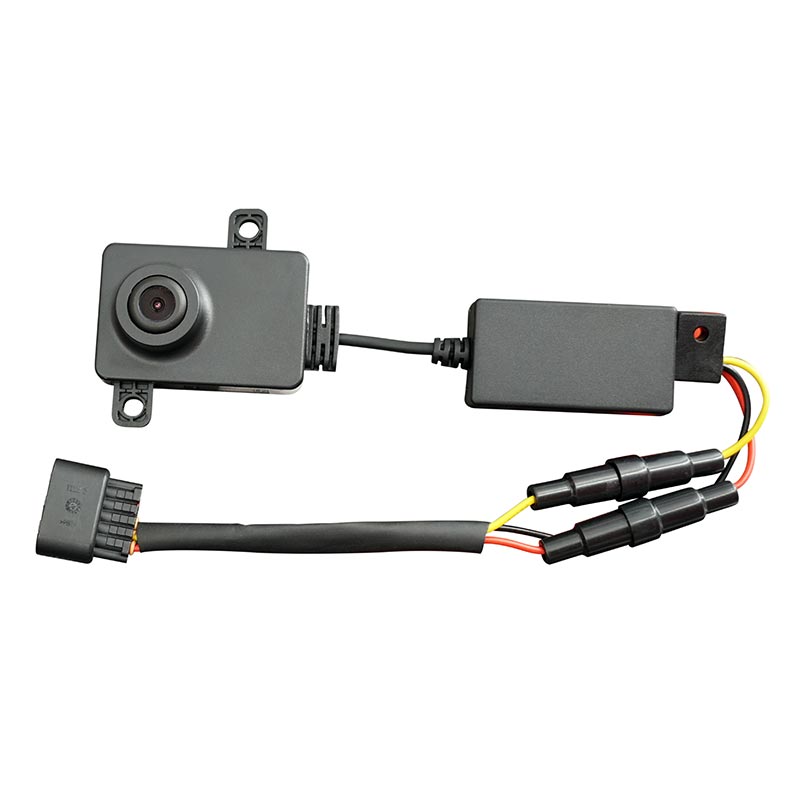
| Installation | Compact Probe for Hidden Vehicle Installation |
| Optional Function | Customized Detection Range and Alarm Threshold |
Compact Vehicle Installation
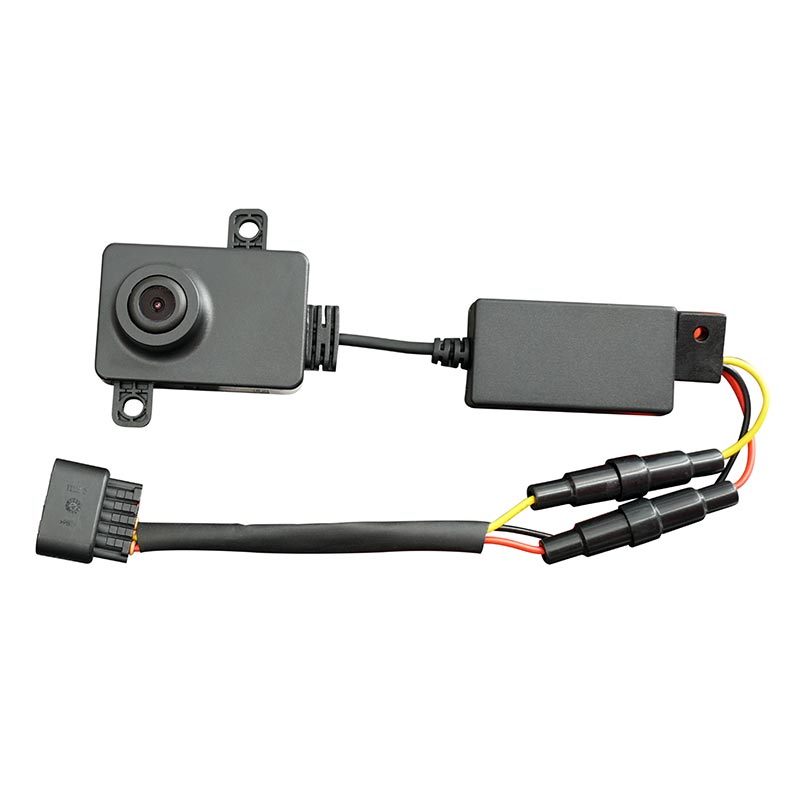
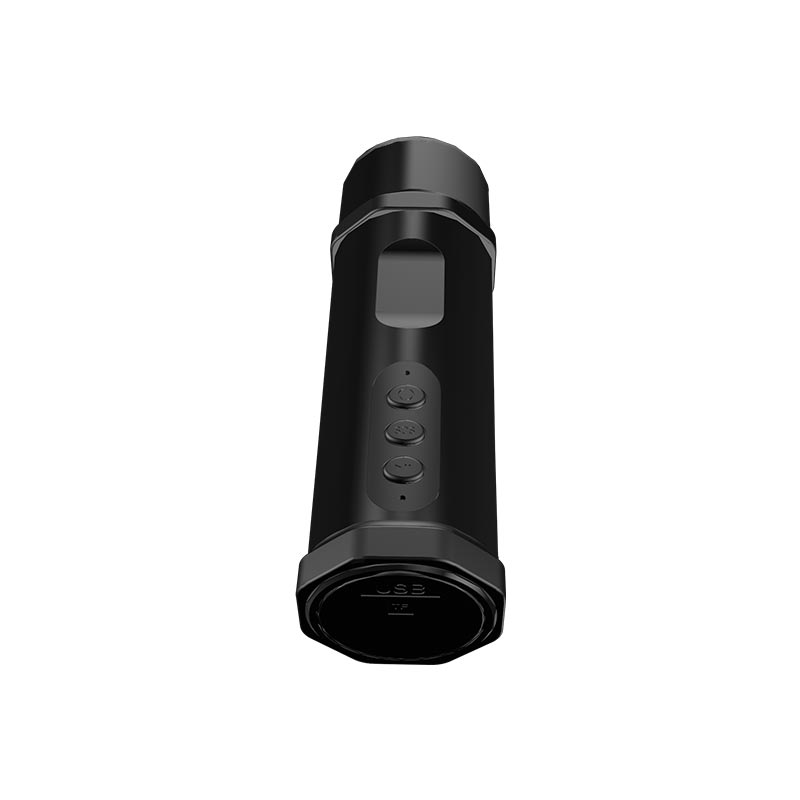
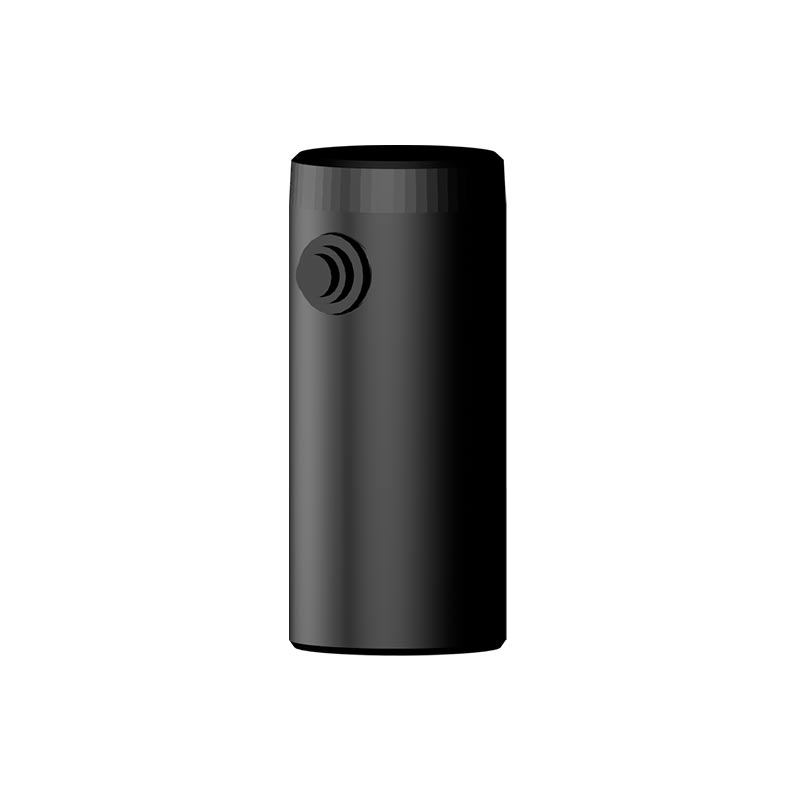
Vehicle installation space is often limited, especially on motorcycles where body panels and electrical components occupy a relatively small area. Boshi radar uses a compact probe structure designed for flexible installation on motorcycle and automobile bodies.
The small form factor allows the radar to be positioned according to the required detection zone without requiring a large external housing. Final mounting position should be determined through vehicle-specific testing because radar coverage is affected by installation height, angle, surrounding materials, and vehicle structure.
Dashcam Integration
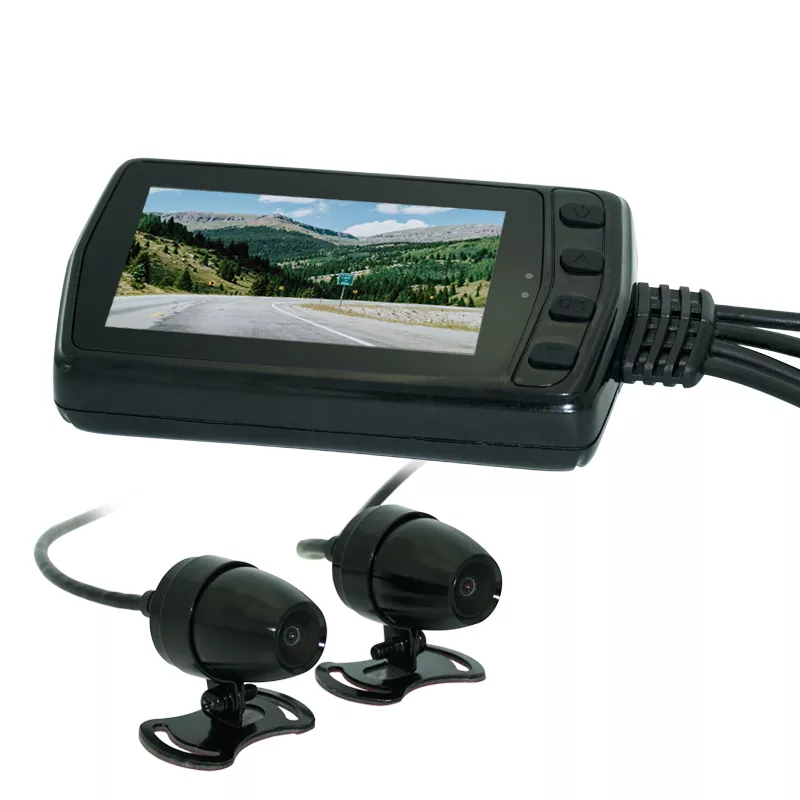
For buyers already using vehicle recording equipment, adding radar can be more practical than replacing the complete electronic system. Boshi provides radar solutions designed to work with compatible motorcycle and car dashcam platforms.
1. Dual-Lens Motorcycle Dashcam
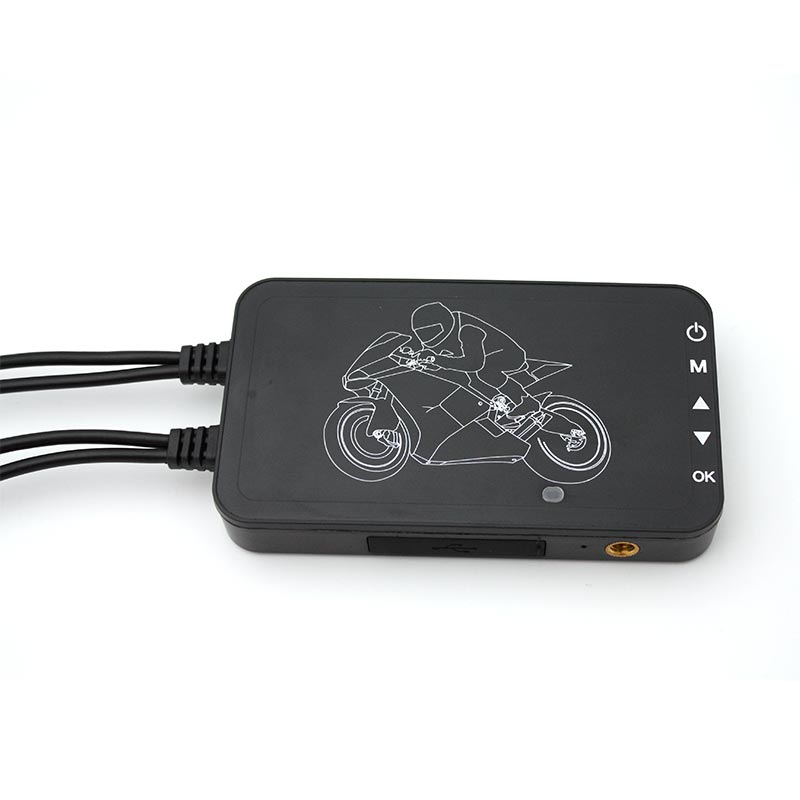
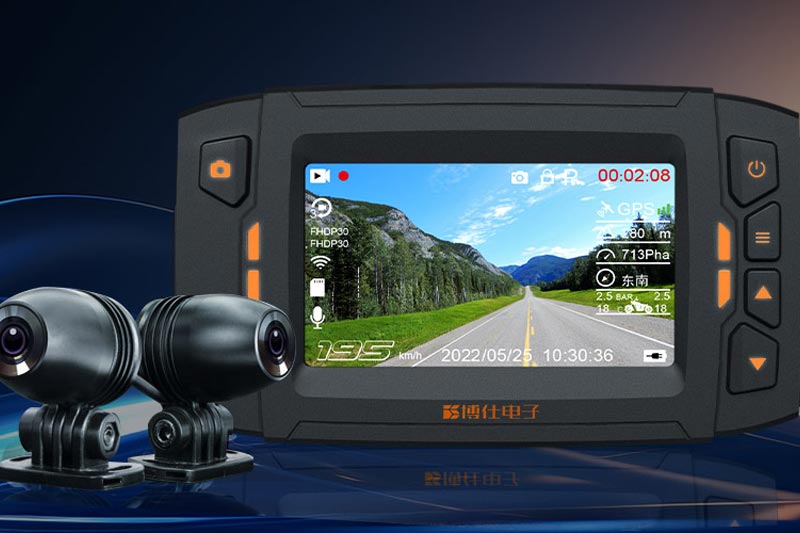
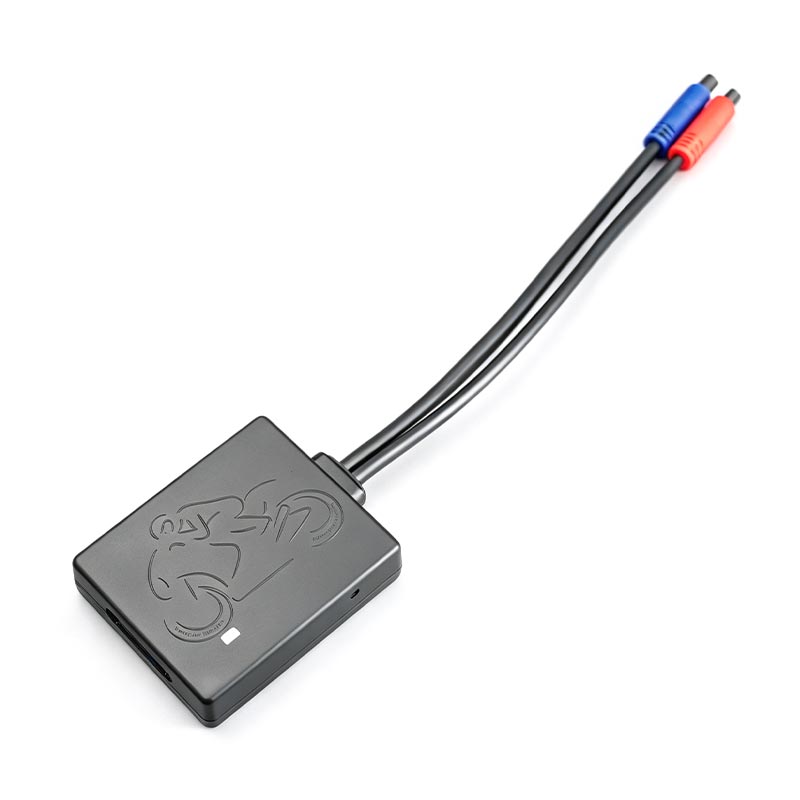
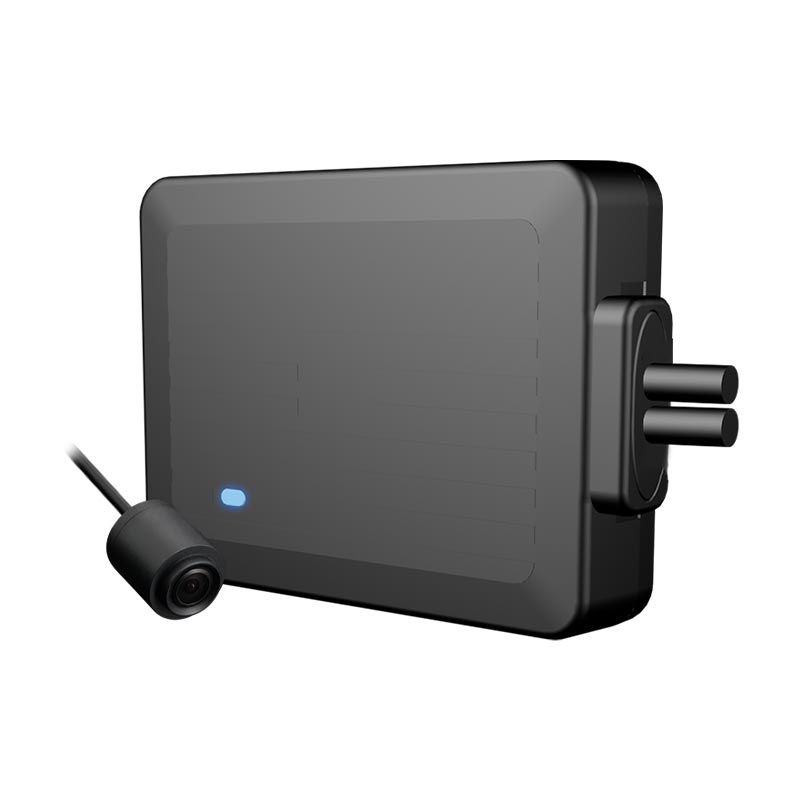
The radar can complement front and rear video recording by adding blind-zone target detection. This is useful for motorcycles where rear and side visibility is naturally limited by vehicle size and rider position.
2. Panoramic Motorcycle Recorder
When used with a 360-degree panoramic recording system, radar can provide an additional sensing layer beyond visual coverage. The combination can help identify relevant targets even when visual information alone is insufficient.
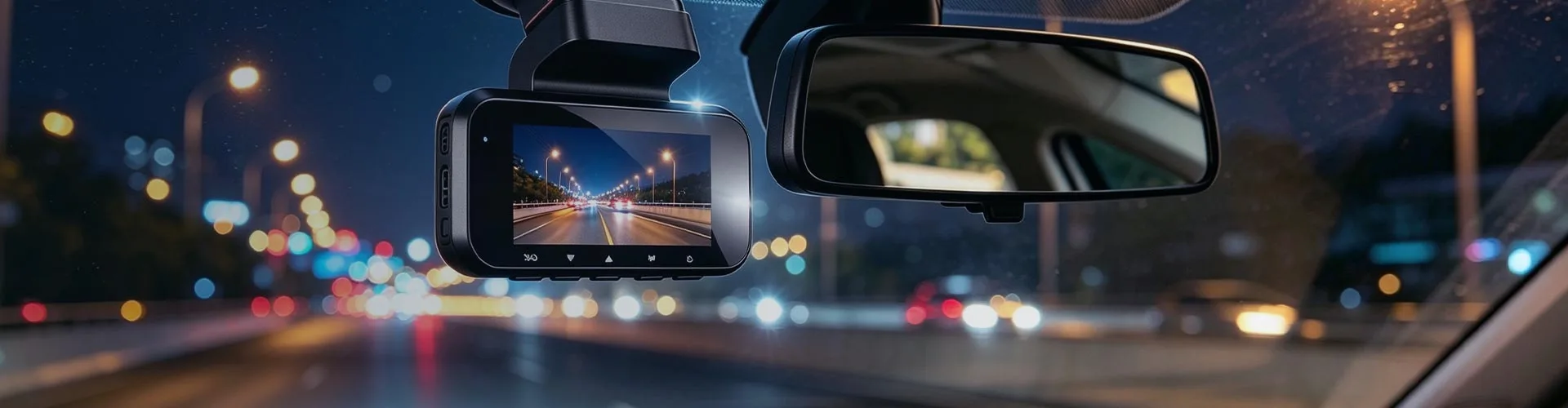
3. Car Dash Cam and Fleet Systems
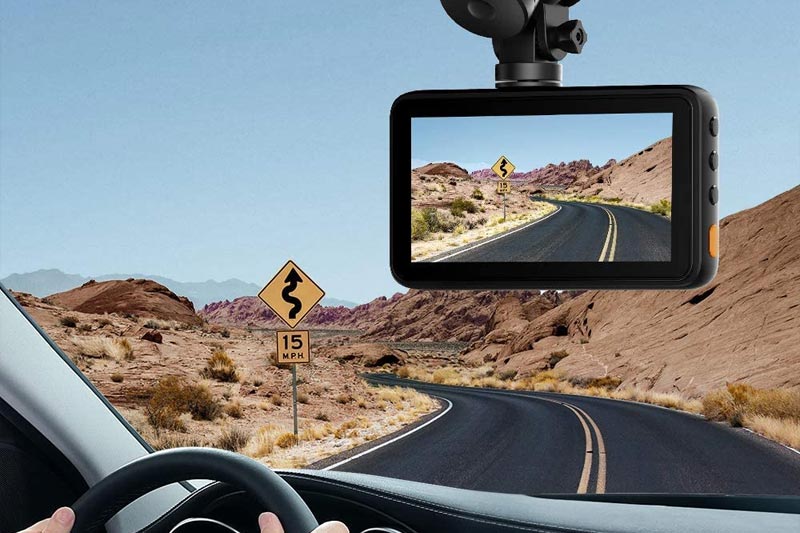
The radar can be integrated with compatible car dashcams and fleet recording equipment for applications requiring blind-spot monitoring and additional vehicle safety data.
Low-Power Operation
Additional electronic equipment should not place unnecessary demands on a vehicle's electrical system. Boshi focuses on compact radar hardware and low-power operation for integration with motorcycle and automobile electronics.
For fleet and commercial applications involving long operating hours, power consumption becomes an important system-selection factor. The actual power requirement should be confirmed according to the selected radar model and vehicle electrical architecture.
Application Configuration
Different vehicles require different detection strategies. A motorcycle, passenger car, and commercial fleet vehicle may have significantly different blind-zone dimensions, installation positions, and warning requirements.
Boshi supports customized radar parameters, including detection range and alarm thresholds, according to project requirements. Joint debugging with the selected dashcam or vehicle electronics can also be performed to verify communication and warning behavior.
1. Motorcycle Safety Applications
Motorcycle applications can use side and rear radar detection to supplement limited rider visibility, particularly when combined with dual-lens or panoramic recording systems.
2. Passenger Vehicle Applications
For passenger cars, radar can provide additional blind-spot information around the side and rear areas and can be connected with compatible dashcam or vehicle display systems.
3. Commercial and Fleet Applications
Commercial vehicles and fleet systems can integrate radar with recording equipment to add blind-zone detection to existing vehicle monitoring solutions.
Testing and Integration
Boshi provides technical support for buyers developing radar-based vehicle safety products. The cooperation process can include radar parameter configuration, signal debugging with the selected dashcam, installation-position testing, and market certification documentation support.
1. Radar and Dashcam Joint Debugging
Boshi can assist with communication and signal testing between the radar and compatible dashcam systems to verify detection signals, warning logic, and system response.
2. OEM Parameter Configuration
Detection range and warning thresholds can be customized according to vehicle type, installation position, and intended application, subject to the selected hardware platform.
3. Technical Documentation
Test reports and relevant technical documents can be provided according to the product configuration and certification requirements of the target market.
FAQ
1. What is the detection range of the Boshi radar?
The specified detection distance is approximately 0.3 m to 50 m. Actual effective coverage depends on the selected radar model, installation angle, target size, vehicle structure, and environmental conditions.
2. Does the radar work at night?
Yes. Millimeter-wave radar does not depend on visible light, so it can continue detecting targets in darkness. It can therefore complement a camera-based system during nighttime driving.
3. Can the radar work in rain and fog?
Yes. Millimeter-wave sensing is less affected by reduced visible-light conditions than conventional optical cameras. However, actual detection performance can vary according to weather, target characteristics, installation, and environmental conditions.
4. Can it be connected to a motorcycle dashcam?
Yes. Boshi radar can be integrated with compatible dual-lens motorcycle dashcams and panoramic motorcycle recording systems. Communication interfaces and software requirements should be confirmed before integration.
5. Can the detection distance and alarm threshold be customized?
Yes. Boshi supports customized detection range and alarm threshold parameters for suitable project configurations. The final parameters should be determined through vehicle-specific testing.
6. Is the radar suitable for both motorcycles and cars?
Yes. The Millimeter-Wave Radar Blind Spot Warning can be configured for motorcycles, passenger cars, commercial vehicles, and fleet applications. Because installation conditions differ between vehicle types, the radar position and parameters should be evaluated for each application.
7. Can Boshi provide radar and dashcam integration support?
Yes. Boshi provides joint debugging support for compatible radar and dashcam systems, including signal testing, parameter adjustment, and integration assistance for OEM projects.
Select the Radar Configuration for Your Vehicle System
A blind-spot radar should be selected according to the vehicle type, required detection area, installation location, communication interface, warning strategy, and target market. Boshi provides 24 GHz and 77 GHz millimeter-wave radar options for motorcycle, passenger vehicle, commercial vehicle, and fleet applications.
For project evaluation, provide the vehicle model, mounting location, required detection range, compatible dashcam model, target market, and estimated order quantity. Boshi can evaluate the suitable radar configuration and integration requirements.
- View as
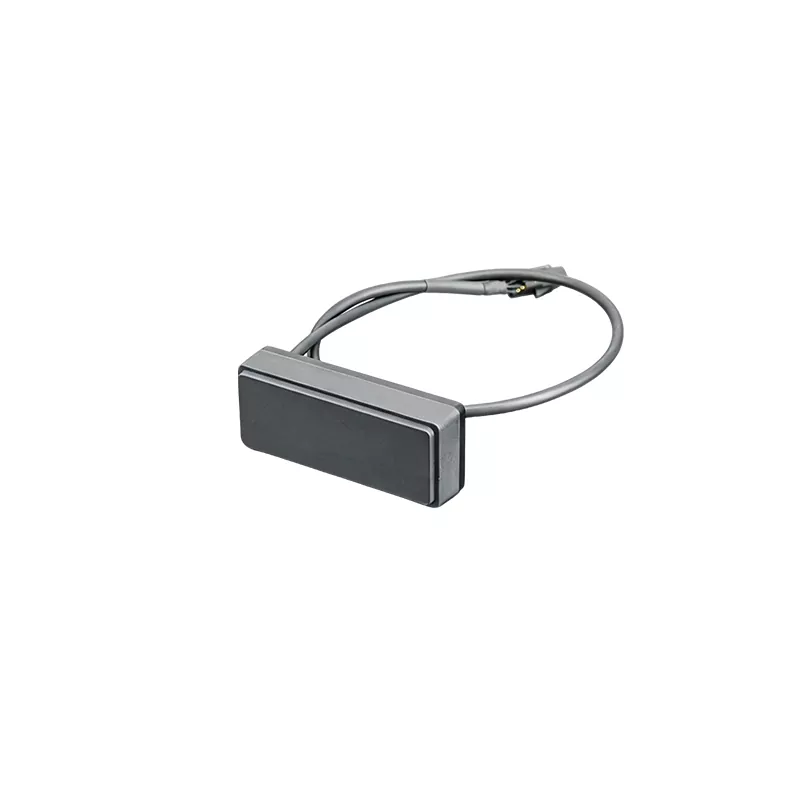
77 GHz Millimeter-Wave Radar Blind Spot Warning
BOSHI 77 GHz Millimeter-Wave Radar Blind Spot Warning System is an advanced active safety solution designed specifically for motorcycles and electric two-wheelers. Unlike traditional safety accessories that only provide passive protection, this radar system actively detects surrounding vehicles and provides early warnings before potential collisions occur.
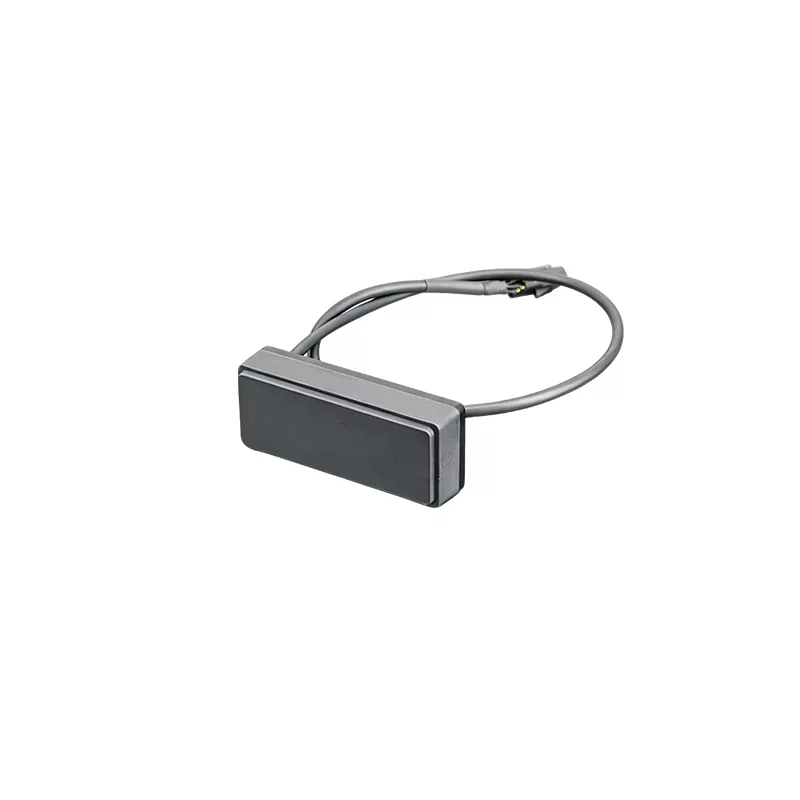
77–79 GHz Millimeter-Wave Radar Blind Spot Warning
BOSHI 77–79 GHz Millimeter-Wave Radar Blind Spot Warning System is an advanced active safety radar module developed for motorcycles, electric motorcycles, and intelligent two-wheeler platforms. Based on FMCW (Frequency Modulated Continuous Wave) millimeter-wave technology, the radar provides accurate detection of surrounding moving objects and delivers early warnings for blind spots, unsafe lane changes, and rear approaching vehicles.
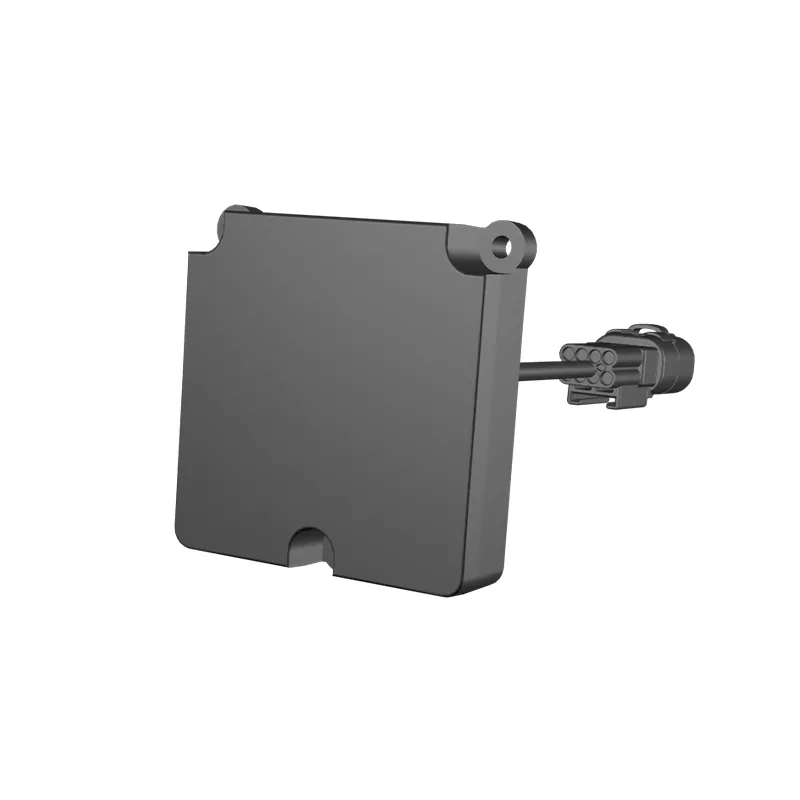
76 GHz Millimeter-Wave Radar Blind Spot Warning
BOSHI 76 GHz Millimeter-Wave Radar Blind Spot Warning System is designed for gasoline motorcycles, electric motorcycles, and two-wheeled intelligent mobility vehicles that require reliable active safety protection. Due to the narrow body structure and limited rearview mirror coverage of two-wheelers, riders often face large blind spots on the side and rear areas, especially during lane changes, overtaking, and high-speed riding.
Boshi Electronic is a professional Millimeter-Wave Radar Blind Spot Warning manufacturer and supplier in China. We have an experienced sales team, professional technicians, and an after-sales service team.