Products
Trusted Camera Module Manufacturer for Global Industrial Projects
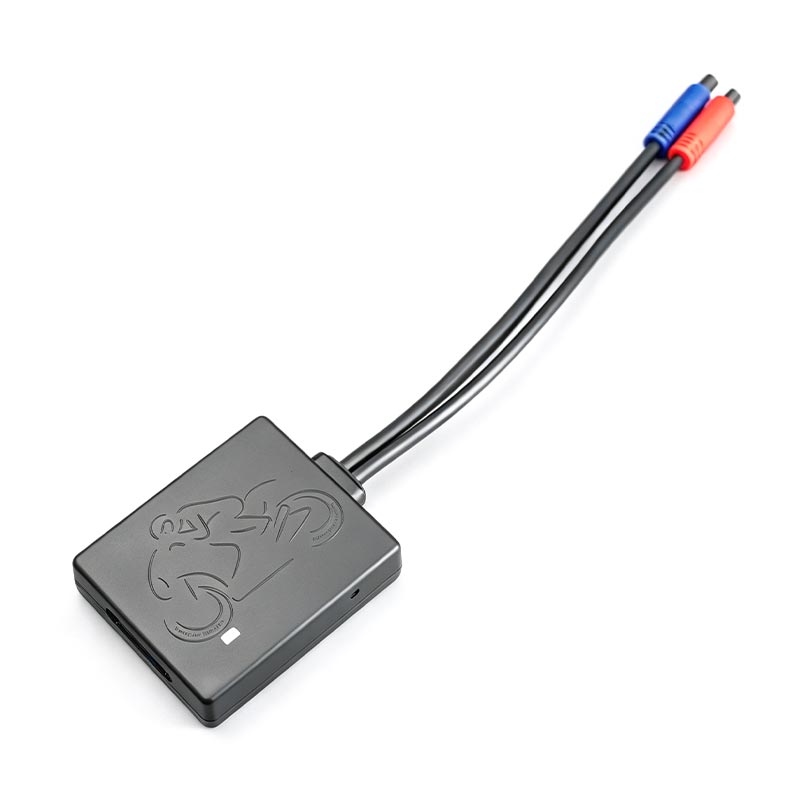
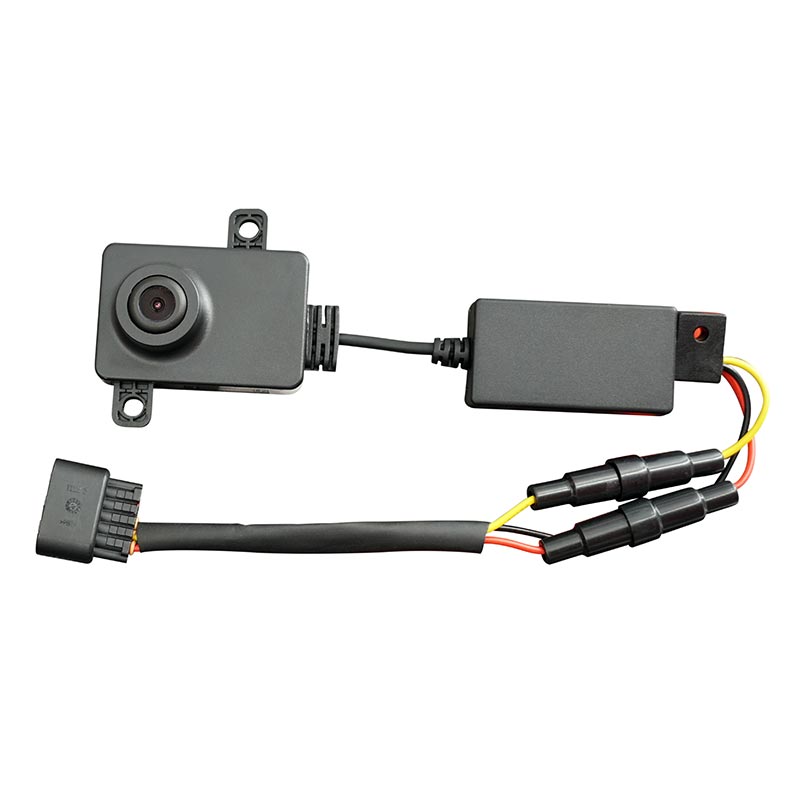
Boshi Camera Module is an image capture component designed for motorcycle dashcams, car dashcams, panoramic recording systems, and other vehicle electronics that require stable video input. The assembly integrates a lens, CMOS image sensor, image processing components, and FPC connection to provide the optical foundation for vehicle recording equipment.
Different vehicle recording systems require different viewing angles, image resolutions, sensor performance, and connection interfaces. Boshi provides multiple configurations, including 1080P single-lens modules, 2K dual-lens modules, 360° panoramic fish-eye modules, and infrared night-vision solutions. Lens angle, sensor selection, interface type, FPC length, and other parameters can be configured according to the customer's host system.
For dashcam manufacturers and vehicle electronics integrators, the imaging component is not simply a camera accessory. Sensor consistency, lens matching, image output stability, environmental resistance, and compatibility with the main control chip directly affect the final recording performance of the complete product.
Image Capture Requirements for Vehicle Electronics
The imaging assembly is responsible for converting the surrounding road scene into an electronic image signal that can be processed and stored by the recording host. Its optical and electronic configuration therefore needs to match the application environment and the selected image-processing platform.
Boshi provides solutions covering different vehicle recording requirements, from basic front-road recording to multi-camera panoramic imaging and low-light applications.
1. Single-Lens 1080P Configuration
The 1080P configuration is suitable for entry-level motorcycle dashcams, compact vehicle recorders, and applications where standard Full HD recording is sufficient.
2. Dual-Lens 2K Configuration
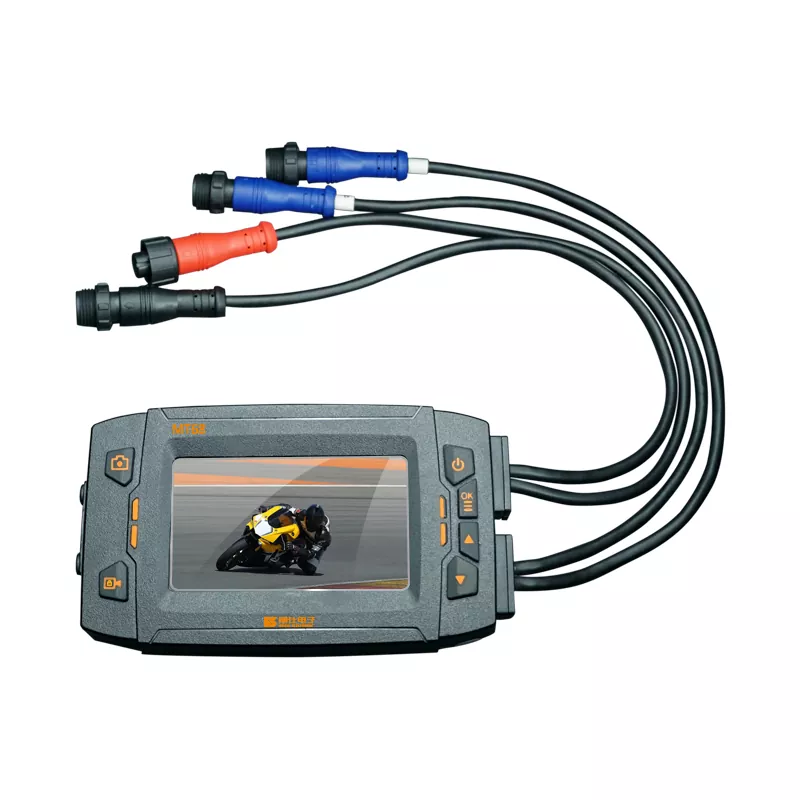
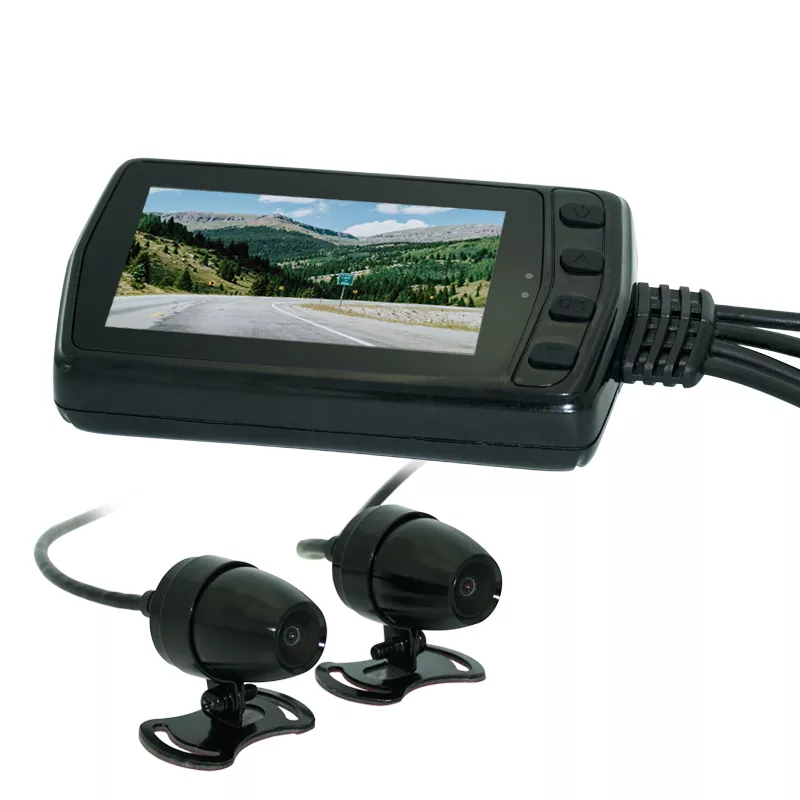
The dual-lens configuration can provide synchronized image acquisition for front and rear cameras. It is suitable for motorcycle and car recording systems that need coverage of two viewing directions.
3. 360° Panoramic Fish-Eye Configuration
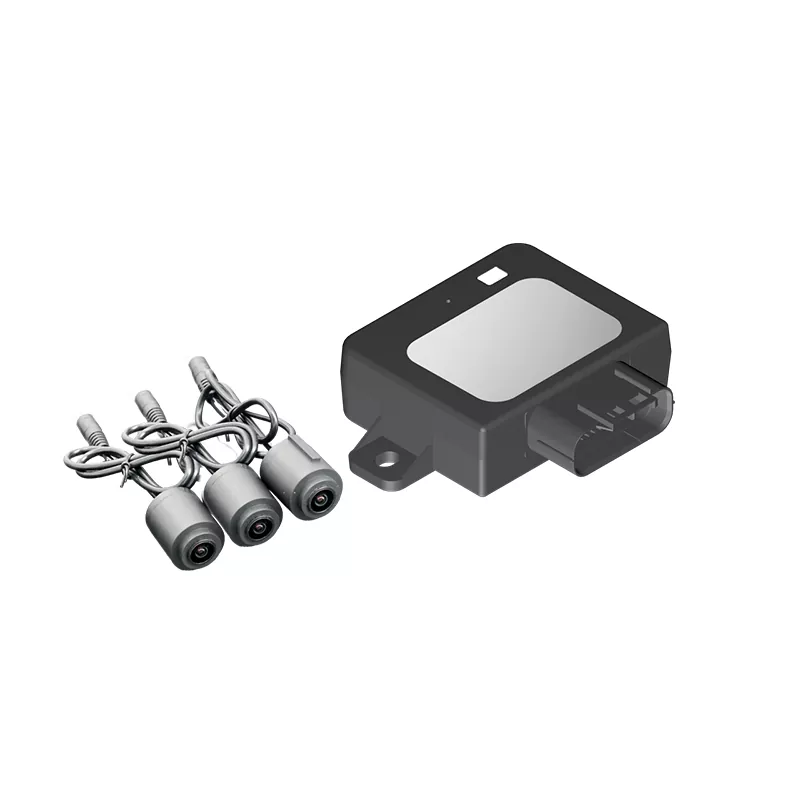
The fish-eye configuration uses a wide-angle lens to capture a larger field of view. Multiple units can be integrated into panoramic recording systems for surrounding-image acquisition and image stitching.
4. Infrared Night-Vision Configuration
The infrared configuration is designed for applications requiring improved image capture under dim or low-light conditions. The F1.8 large-aperture lens option can support higher light collection efficiency for nighttime recording applications.
Sensor and Lens Configuration
Different CMOS sensors and optical structures affect image sensitivity, resolution, dynamic range, and overall recording performance. Boshi provides several sensor and lens options so customers can select a configuration according to their dashcam hardware and software requirements.
1. CMOS Sensor Options
Available sensor options include GC0307, IMX307, and IMX415. The appropriate sensor can be selected according to the required resolution, image quality, lighting environment, and target product configuration.
2. Wide-Angle Lens Options
The imaging unit can be configured with 120°, 140°, or 180° wide-angle and fish-eye lenses. Wider viewing angles are suitable for applications requiring broader road or surrounding-area coverage, while the final lens selection should be matched with the image-processing algorithm and installation position.
3. Large-Aperture Configuration
An F1.8 large-aperture lens option is available for applications where improved light collection is required, particularly for motorcycle and vehicle recording systems operating in low-light environments.
Technical Specifications
| Item | Specification |
|---|---|
| Product Type | Vehicle Camera Module |
| Sensor Options | GC0307 / IMX307 / IMX415 |
| Resolution Options | 1080P / 2K / Panoramic Configuration |
| Lens Angle | 120° / 140° / 180° |
| Aperture | F1.8 Optional |
| Waterproof Level | IP65 / IP67 Optional |
| Output Interface | LVDS / USB / MIPI |
| FPC | Customizable Length |
| Application | Motorcycle Dashcams, Car Dashcams, Panoramic Recording Systems |
Interface Compatibility With Dashcam Hardware
A vehicle imaging component must communicate reliably with the main control system of the recording equipment. Interface compatibility is therefore an important purchasing consideration for OEM and ODM customers.
Boshi provides LVDS, USB, and MIPI output options to support different hardware architectures. The interface can be selected according to the main control chip, circuit design, communication requirements, and software platform of the customer's dashcam.
1. LVDS Output
LVDS configuration can be selected for vehicle electronics systems that use LVDS-based image transmission architecture.
2. USB Output
USB interface options are suitable for compatible recording systems and development platforms requiring USB image input.
3. MIPI Output
MIPI configuration is available for compatible embedded systems and main control platforms that use MIPI camera interfaces.
Environmental Requirements for Motorcycle Applications
Motorcycle recording equipment is exposed to rain, road vibration, temperature changes, and outdoor operating conditions. The image capture component therefore needs to be selected according to the installation position and environmental requirements of the complete recorder.
For outdoor motorcycle applications, Boshi can provide sealed configurations with IP65 or IP67 protection according to the selected design. The appropriate protection level should be confirmed based on the actual enclosure, connector, cable, and installation structure of the complete product.
Matching With Different Recording Systems
Boshi Camera Module is designed as a configurable component for different vehicle imaging products rather than a single fixed camera solution. This allows manufacturers to select the image component according to the structure and functions of their final equipment.
1. Motorcycle Dashcams
The modules can be used with single-lens and dual-lens motorcycle dashcams. Wide-angle configurations can provide broader road coverage, while sealed designs can be selected for outdoor installation.
2. Panoramic Motorcycle Recorders
Multiple fish-eye units can be combined with panoramic image-processing systems to collect surrounding views for 360° recording and image-stitching applications.
3. Car Dashcams
The modules can be configured for front, rear, or additional camera positions in passenger-car and commercial-vehicle recording systems.
4. Radar and Vision Fusion Systems
Camera units can serve as the visual input component in systems combining camera information with millimeter-wave radar. This allows manufacturers to develop integrated vehicle sensing and recording equipment based on their own algorithms.
Image Consistency for Batch Production
For OEM buyers, maintaining consistent image performance between production batches is an important consideration. Variations in sensor characteristics, lens assembly, focus, and optical alignment can create differences between individual units.
Boshi uses pixel consistency testing during production to identify image abnormalities and maintain more consistent module output across batches. Sample testing can also be arranged before bulk production so customers can evaluate image quality and hardware compatibility with their own main control system.
Customization for OEM Development
Vehicle electronics manufacturers often have different enclosure dimensions, installation positions, cable routing requirements, and image algorithms. Boshi therefore provides configurable hardware options instead of limiting customers to one standard module structure.
1. Lens Customization
Lens angle and optical configuration can be selected according to the required field of view, installation position, and final recording application. Customized lens mold development can also be discussed for specific projects.
2. FPC Length
The FPC length can be customized to match the internal structure and installation distance of the customer's recording equipment, helping reduce unnecessary cable routing and installation constraints.
3. Image Tuning Support
Boshi can provide technical data sheets and image tuning parameter files for customer development. These resources can assist engineers with image calibration and secondary development of the complete recording system.
Applications
Boshi imaging solutions can be integrated into vehicle recording and sensing products used across different transportation applications.
1. Motorcycle Recording Equipment
Suitable for front-facing, rear-facing, dual-camera, and panoramic motorcycle recording systems.
2. Passenger Vehicle Dashcams
Suitable for front-view, rear-view, and multi-camera vehicle recording applications where stable image acquisition is required.
3. Commercial Vehicle Systems
Can be integrated into commercial vehicle recording equipment requiring additional camera channels for driving monitoring and operational management.
4. Intelligent Vehicle Electronics
The module can provide visual input for systems combining cameras with GPS, millimeter-wave radar, ADAS algorithms, and other vehicle electronics.
Factory Support
Boshi provides sample testing and technical support for customers developing motorcycle and car recording equipment. Before mass production, customers can evaluate the selected sensor, lens angle, interface, FPC configuration, and image output with their own host system.
For bulk projects, Boshi supports customized lens molds, FPC lengths, technical data sheets, and image tuning parameter files. This allows the component to be developed around the customer's complete dashcam architecture rather than being treated as an isolated part.
FAQ
1. Which CMOS sensors are available?
Boshi provides GC0307, IMX307, and IMX415 sensor options. The final sensor should be selected according to the required resolution, image quality, lighting conditions, and compatibility with the customer's main control platform.
2. What lens angles can be customized?
Common options include 120°, 140°, and 180°. The appropriate angle depends on the required field of view and the installation position of the imaging unit. Customized lens solutions can be discussed for OEM projects.
3. Can the Camera Module be used outdoors on motorcycles?
Yes. IP65 and IP67 sealed configurations are available for suitable motorcycle applications. The actual waterproof performance of the complete camera system also depends on the enclosure, connector, cable, and installation design.
4. Which interfaces are supported?
The available interfaces include LVDS, USB, and MIPI. Customers should provide the main control chip or host system information so the appropriate interface configuration can be confirmed.
5. Can the FPC cable length be customized?
Yes. Boshi supports customized FPC length according to the internal layout and installation requirements of the customer's dashcam or vehicle electronics system.
6. Can Boshi provide samples before bulk orders?
Yes. Sample testing is available for customers who need to verify image quality, interface compatibility, lens angle, and integration with their own recording hardware before mass production.
7. Can the Camera Module support 360° panoramic recording?
Yes. Fish-eye configurations with wide viewing angles can be used as image acquisition components in multi-camera panoramic systems. Multiple camera channels can be combined with the customer's image-stitching algorithm to create a surrounding-view system.
8. Can Boshi provide image tuning parameters for development?
Yes. Boshi can provide technical data sheets and image tuning parameter files to support customer testing, image calibration, and secondary development.
9. What is the lead time for orders?
The production schedule depends on the selected sensor, lens, interface, customization requirements, and order quantity. Sample orders and customized projects should be confirmed with Boshi according to the required configuration.
- View as
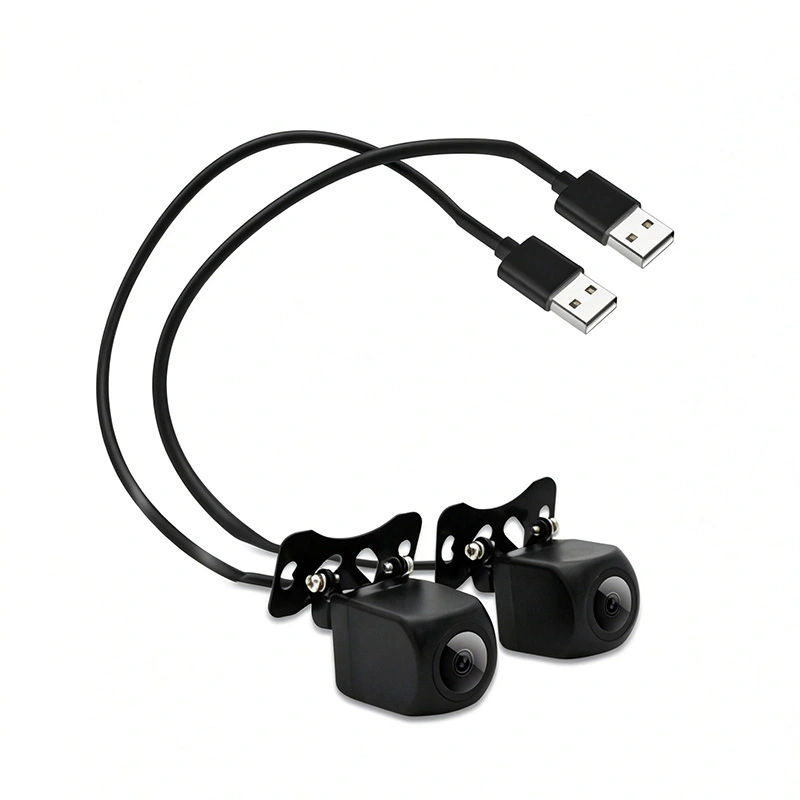
UVC Driver-Free 1080P Industrial USB Camera Module
For industrial equipment manufacturers and embedded system developers, camera integration is often limited by complicated drivers, unstable compatibility, and high development costs. BOSHI UVC Driver-Free 1080P Industrial USB Camera Module is designed to provide a reliable plug-and-play vision solution based on USB 2.0 and UVC standard protocols.
Boshi Electronic is a professional Camera Module manufacturer and supplier in China. We have an experienced sales team, professional technicians, and an after-sales service team.