
News
How Does Loop Recording Help Motorcycle Riders Keep Continuous Road Footage?
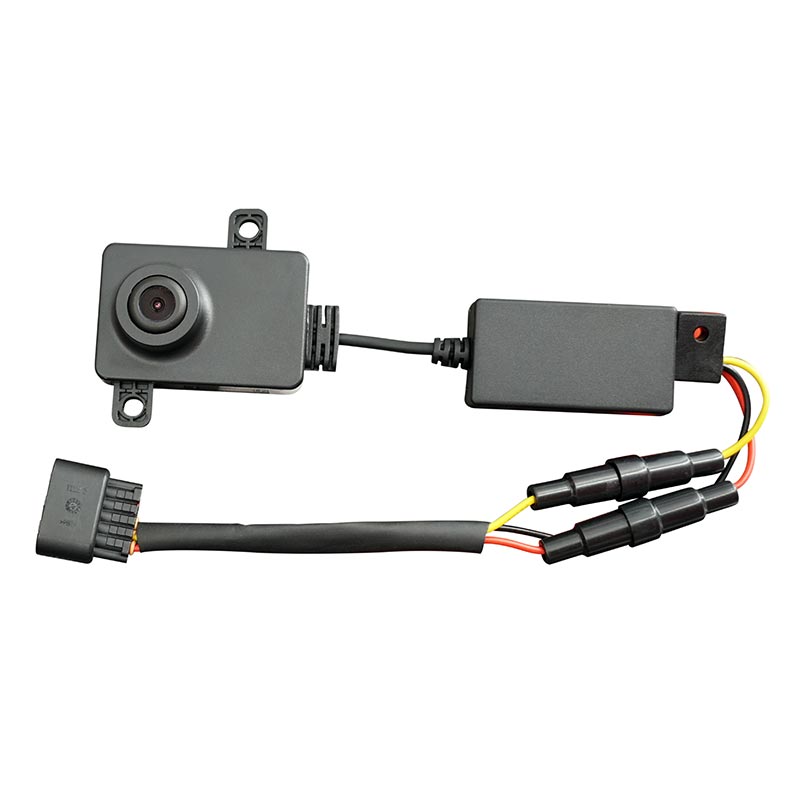
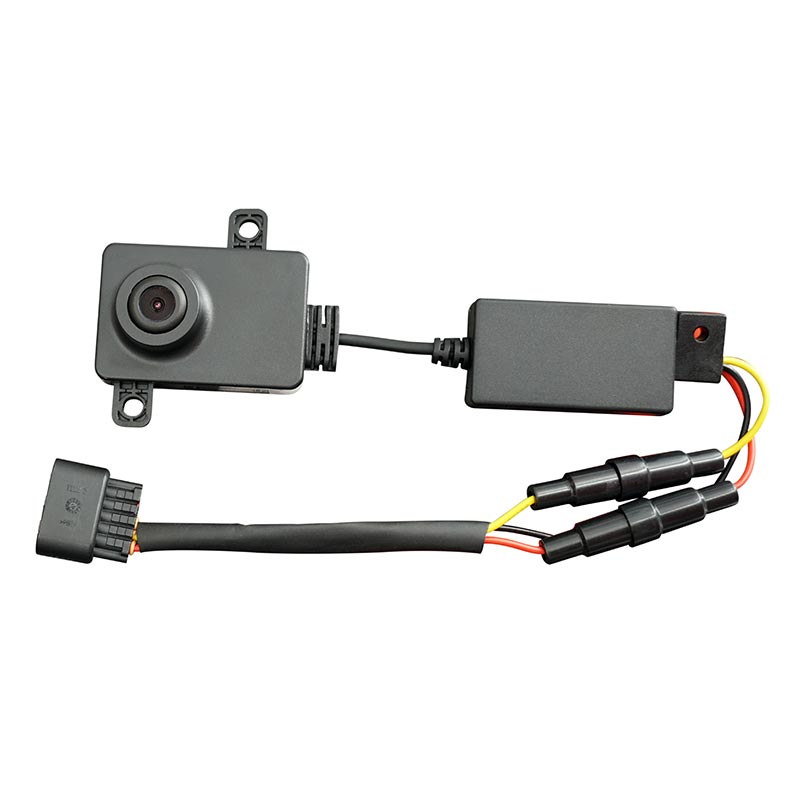
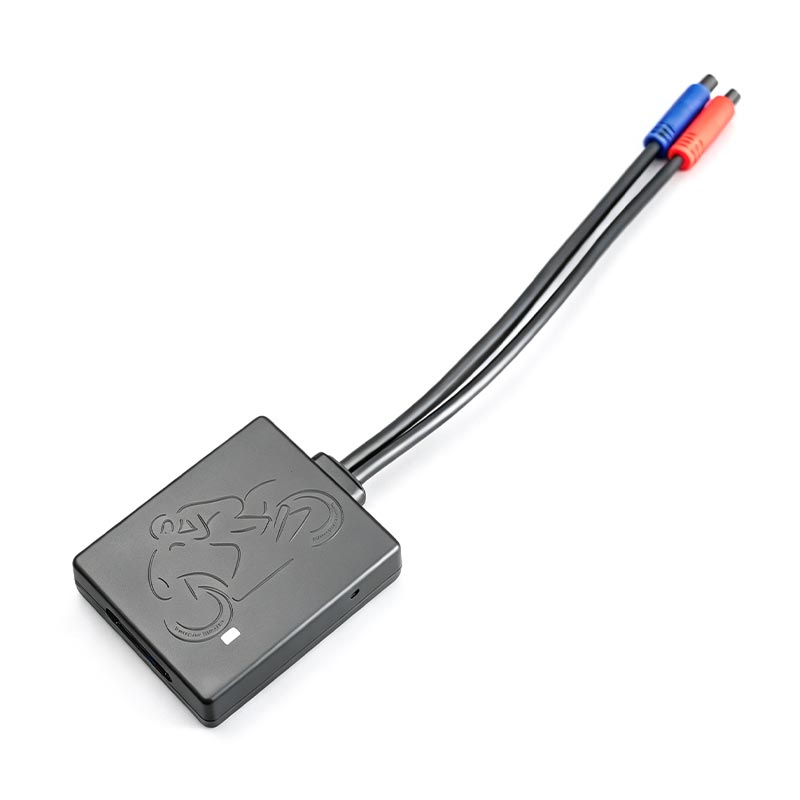
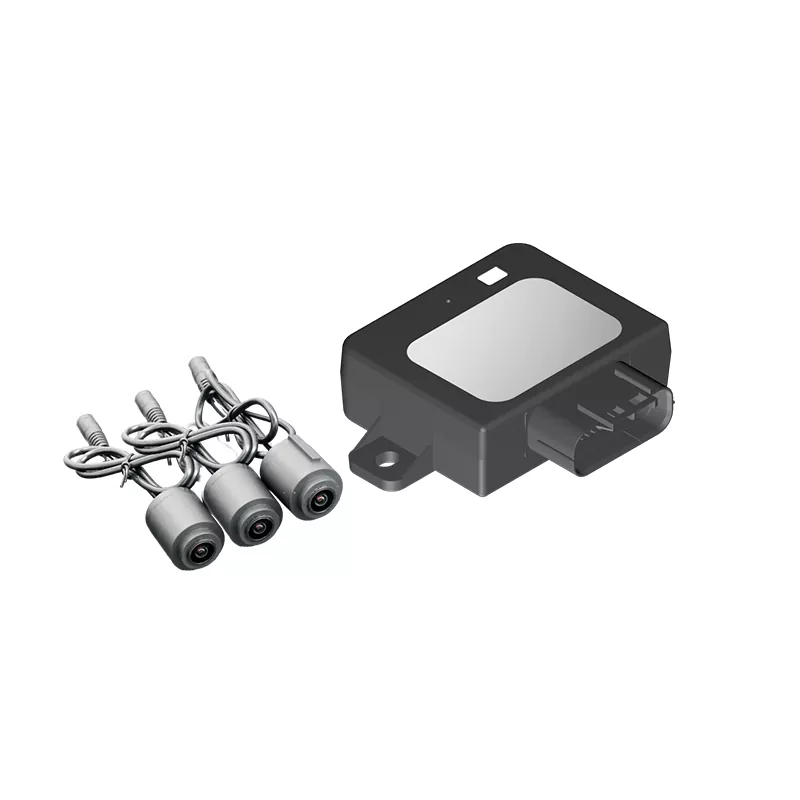
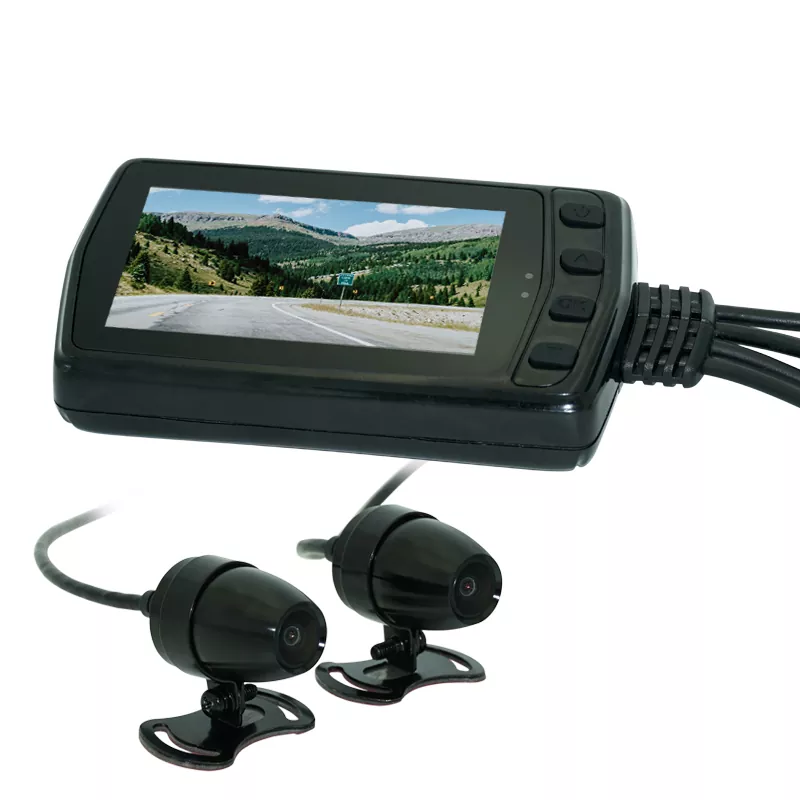
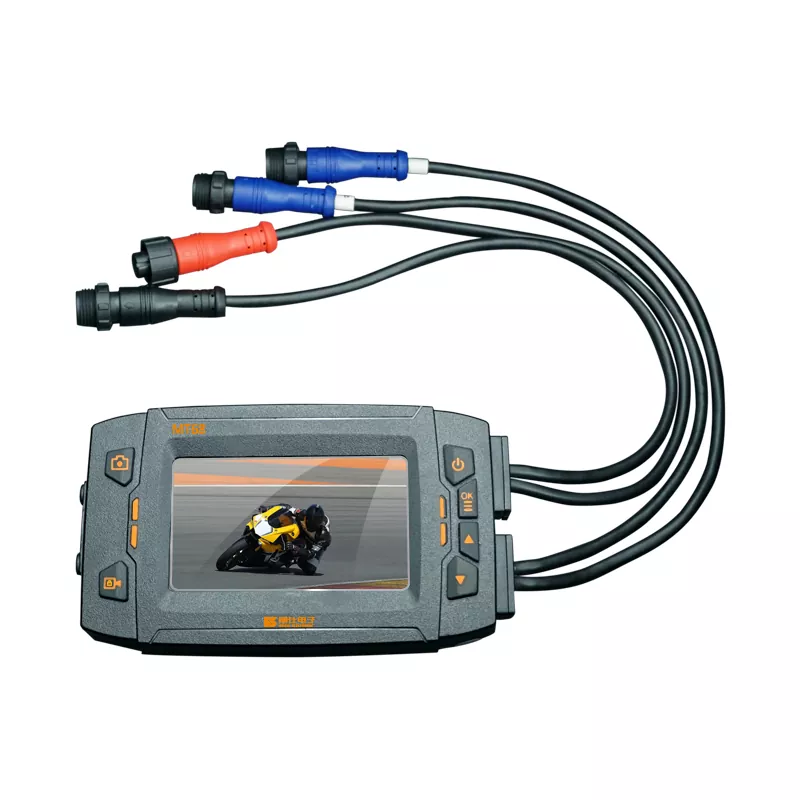
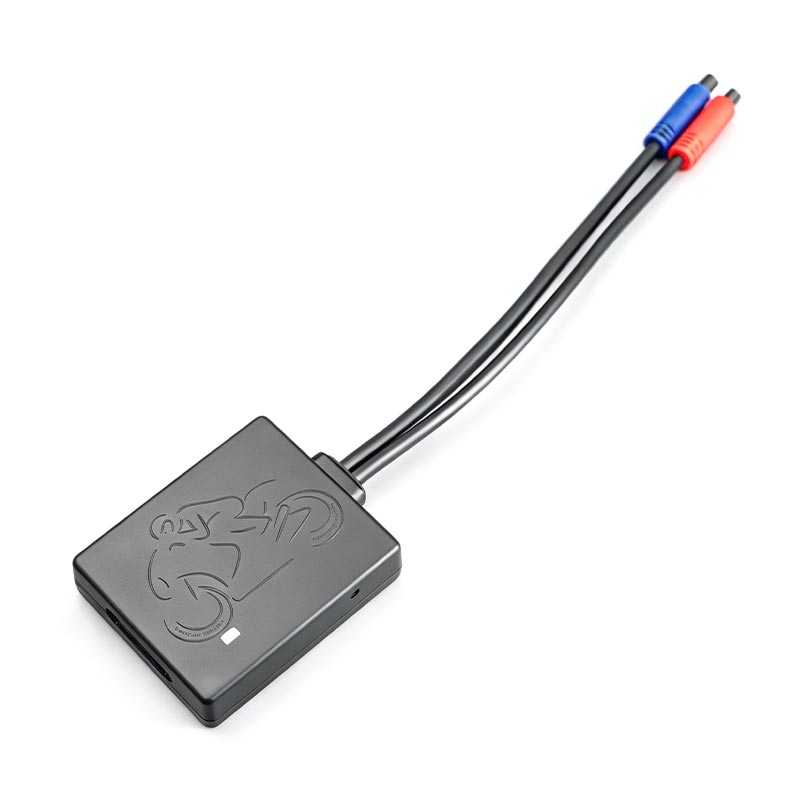
Motorcycle riders often face changing road conditions, frequent vibration, limited storage space, and unexpected traffic incidents during daily travel. For riders who want continuous video records without manually managing files throughout every journey, a Loop Recording Single-Lens Motorcycle Dash Cam provides a practical recording solution.
The main purpose of loop recording is to keep the camera recording when the memory card reaches its storage limit. Instead of stopping the recording process, the system automatically replaces older routine footage with newly recorded video. This makes the function particularly useful for daily commuting, long-distance riding, electric scooter delivery, and other applications where continuous recording is required. Boshi Electronic develops motorcycle recording equipment for different two-wheeler applications and OEM requirements.
Why Is Continuous Recording Important for Motorcycles?
Daily Riding Produces Large Amounts of Video
A motorcycle dash cam can generate a large amount of video during regular commuting or long-distance travel. If every recording file is permanently stored, the available memory can quickly become insufficient.
Loop recording solves this storage problem by automatically managing older footage. Once the memory card reaches its capacity, new recordings can replace older unlocked files, allowing the camera to continue recording without requiring the rider to stop and manually delete files.
Reducing Manual File Management
For riders who use a motorcycle every day, repeatedly checking storage capacity and deleting old files can become inconvenient. Automatic loop recording reduces this routine work and allows the camera to focus on continuous road recording.
This is particularly useful for delivery riders and commuters who may spend several hours on the road and cannot regularly stop to manage the recording device.
How Does Loop Recording Work?
Recording in Separate Video Files
Instead of storing an entire journey as one large file, the dash cam divides continuous footage into individual recording segments. These files are stored sequentially on the TF card.
When available storage becomes limited, the system identifies older routine recordings and gradually replaces them with new footage. This allows the recording process to continue without requiring the rider to manually clear the card after every journey.
Protecting Important Footage
Loop recording should work together with an emergency file protection function. When an abnormal event such as a collision or sudden braking is detected, the relevant footage can be locked so that it is not treated as ordinary footage during the normal overwrite process.
This distinction between routine and protected recordings is important because continuous recording would otherwise create a risk of important footage being overwritten after the memory card becomes full.
Where Can a Single-Lens Motorcycle Dash Cam Be Used?
Daily Motorcycle Commuting
For riders who travel between home and work every day, a single front-facing camera can provide continuous records of road conditions, traffic movements, and unexpected events.
The single-lens configuration keeps the recording system relatively straightforward while focusing on the road area ahead of the motorcycle.
Long-Distance Motorcycle Touring
Long-distance riders may spend many hours or even several days on the road. During these journeys, manually managing storage becomes less convenient, making automatic loop recording particularly useful.
Continuous recording can document changing road conditions across highways, urban roads, mountain routes, and other riding environments while allowing the rider to concentrate on the journey.
Electric Scooter Delivery
Delivery riders frequently stop, start, accelerate, and travel through busy urban streets. Their daily riding time can be considerably longer than that of ordinary commuters.
A loop recording dash cam can continuously record the working route while automatically managing routine video files. This can also provide useful footage when investigating traffic incidents or delivery-related disputes.
Motorcycle Aftermarket Upgrades
Motorcycle accessory distributors and repair shops can offer single-lens dash cams as an aftermarket safety and recording accessory. The relatively simple camera configuration can be suitable for customers who mainly need front-road recording rather than a multi-camera system.
What Are the Benefits of a Single-Lens Configuration?
Focus on the Front Road Area
A single-lens system concentrates recording on the road ahead. For users whose primary requirement is front-road documentation, this avoids adding additional camera modules that may not be necessary for their application.
Simpler System Structure
Compared with multi-camera systems, a single-lens configuration generally involves fewer camera components and less wiring. This can simplify installation and make the product easier to integrate into different motorcycle models.
Suitable for Different Two-Wheelers
Motorcycles, electric motorcycles, and electric delivery scooters can have different body structures and available installation spaces. A compact single-lens recording system can provide greater flexibility when the available mounting area is limited.
How Does Weather Affect Motorcycle Dash Cam Use?
Rain and Road Splash
Motorcycles are frequently exposed to rain, water spray, road dust, and changing outdoor conditions. Therefore, protection against water and dust is an important consideration when selecting a motorcycle dash cam.
The Loop Recording Single-Lens Motorcycle Dash Cam uses a protected main unit and lens structure designed for outdoor motorcycle applications. The specified protection ratings are IP65 for the main unit and IP67 for the lens.
Temperature Changes
Motorcycle equipment may be exposed to significant temperature changes between different seasons and operating environments. The product is specified for an operating temperature range of -20°C to +70°C, supporting applications across a broad range of outdoor riding conditions.
Vibration During Riding
Unlike stationary cameras, motorcycle recording equipment is continuously exposed to vibration from the engine, road surface, acceleration, braking, and uneven pavement.
For this reason, buyers should consider vibration testing and long-term road testing when evaluating a motorcycle dash cam for commercial or OEM applications. The MT022 model has undergone extended durability and real-vehicle road testing covering different riding conditions.
What Other Recording Functions Are Useful?
Automatic Recording After Power-Up
Automatic recording allows the camera to begin capturing footage when the system receives power. This reduces the need for the rider to manually start recording before every journey.
G-Sensor Emergency File Locking
A built-in G-sensor can detect sudden impact or significant changes in movement. When an abnormal event is detected, the corresponding recording can be protected from normal loop overwriting.
Wi-Fi Video Management
For users who need to review or transfer recordings, Wi-Fi connectivity can provide a convenient way to preview and download footage using a smartphone. This can reduce the need to remove the TF card every time a particular recording needs to be checked.
Parking Monitoring
Parking monitoring can provide additional recording protection when the motorcycle is stationary. Depending on the system configuration and power arrangement, the camera can monitor the vehicle after normal riding has ended and preserve relevant footage when an abnormal event is detected.
What Should Buyers Check Before Ordering?
| Selection Item | What Buyers Should Confirm |
|---|---|
| Camera Configuration | Confirm whether front single-lens recording meets the application requirements |
| Video Resolution | Check the required image quality for daily recording and evidence purposes |
| Loop Recording | Confirm automatic overwrite behavior and file segmentation |
| Storage | Check supported TF card capacity and recommended card specifications |
| G-Sensor | Confirm whether collision-related footage can be automatically protected |
| Waterproof Protection | Match the protection rating to the motorcycle's outdoor environment |
| Operating Temperature | Check suitability for the expected climate and riding conditions |
| Power Supply | Confirm compatibility with the motorcycle electrical system |
| Wi-Fi | Determine whether smartphone video management is required |
| Installation | Check available mounting space, wiring route, and installation method |
| OEM Requirements | Confirm logo, packaging, language, and product configuration requirements |
What Should Motorcycle Riders Check During Installation?
Choose a Stable Mounting Position
The camera should be installed in a position that provides a clear view of the road without interfering with the rider's operation of the motorcycle. The mounting structure should also be stable enough to withstand normal riding vibration.
Protect the Wiring
Power cables should be routed away from moving parts, excessive heat sources, sharp edges, and areas where they may be repeatedly compressed or pulled. Proper cable management can help reduce the possibility of connection problems during long-term use.
Keep the Lens Clear
The camera lens should remain free from dust, mud, water spots, and other contaminants. A dirty lens can reduce image clarity even when the camera itself is operating normally.
Check Recording After Installation
After installation, users should confirm that the camera starts recording correctly, video files are saved normally, loop recording works as expected, and protected files can be identified after a simulated event or system test.
How Can Boshi Electronic Support B2B Buyers?
Product Testing for Real Riding Conditions
Boshi Electronic develops motorcycle dash cams based on actual two-wheeler applications. The MT022 has been tested through extended durability and road-use conditions involving gasoline motorcycles, electric motorcycles, and electric delivery scooters.
Support for Different Motorcycle Applications
The product can be considered for daily commuter motorcycles, long-distance touring motorcycles, electric two-wheelers, delivery vehicles, motorcycle accessory distribution, and other applications where continuous front-road recording is required.
OEM and Bulk Procurement
For motorcycle manufacturers, distributors, dealerships, aftermarket suppliers, and cross-border wholesalers, buyers can evaluate the product according to target-market requirements, electrical configuration, packaging, storage capacity, language requirements, and other OEM specifications.
Related News
- What Makes an IP65 Waterproof Dual-Lens Motorcycle Dash Cam Essential for Safer Riding?
- Collision-Sensing Locking Dual-Lens Motorcycle Dash Cam Enhances Riding Safety with BOSHI Technology
- What Makes a Dashcam for Motorcycle Traffic Enforcement Reliable on the Road?
- How Does a Single-Lens Motorcycle Dashcam Protect Riders on Every Journey?
- How Can a Dual-Lens Motorcycle Dash Cam Improve Riding and Parking Protection?
- Locator Market Shifts from Basic Tracking to Intelligent IoT Nodes
Leave me a message