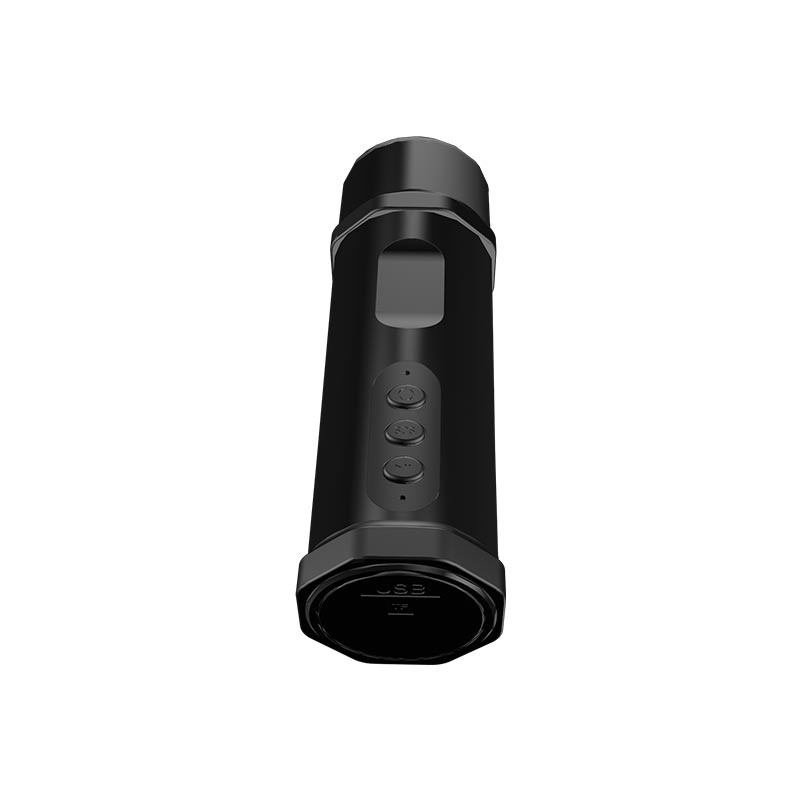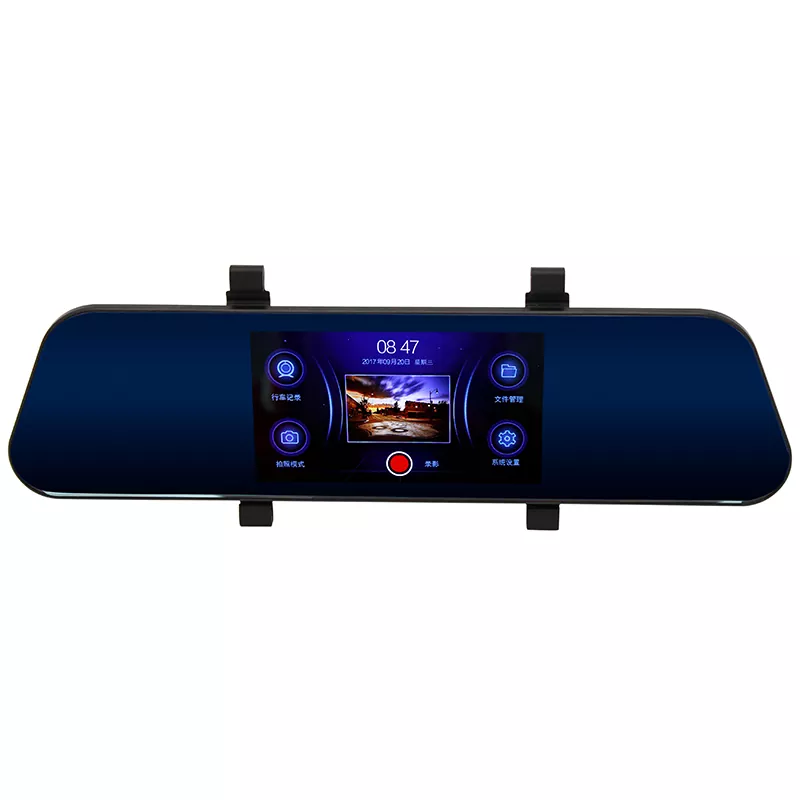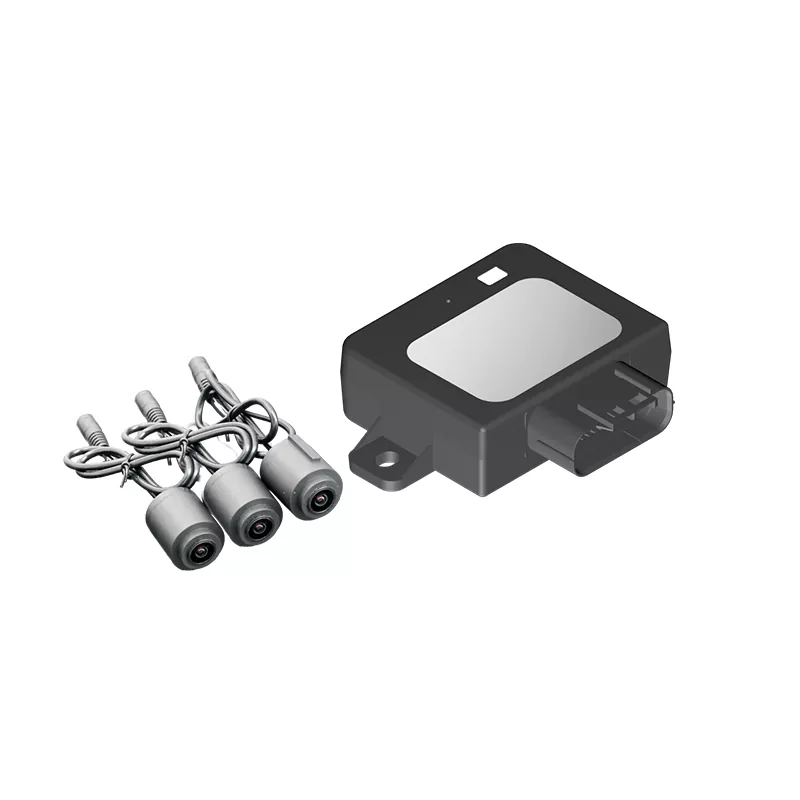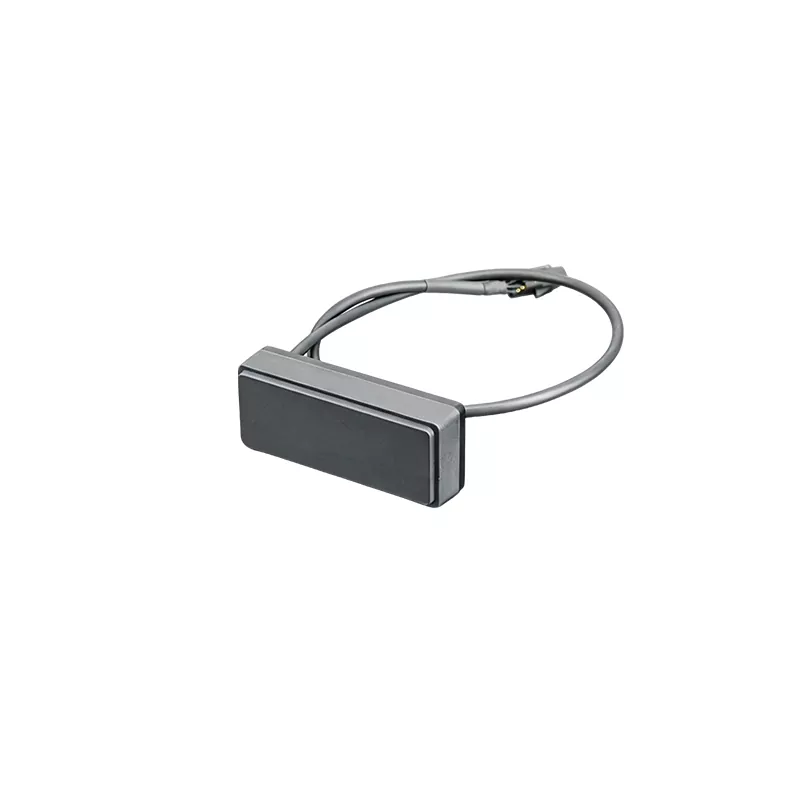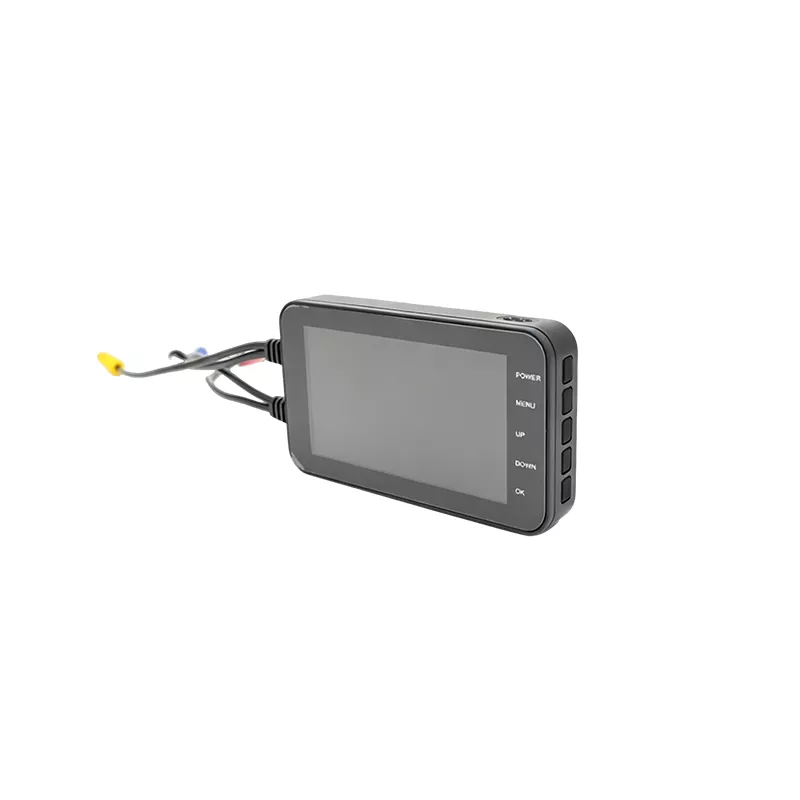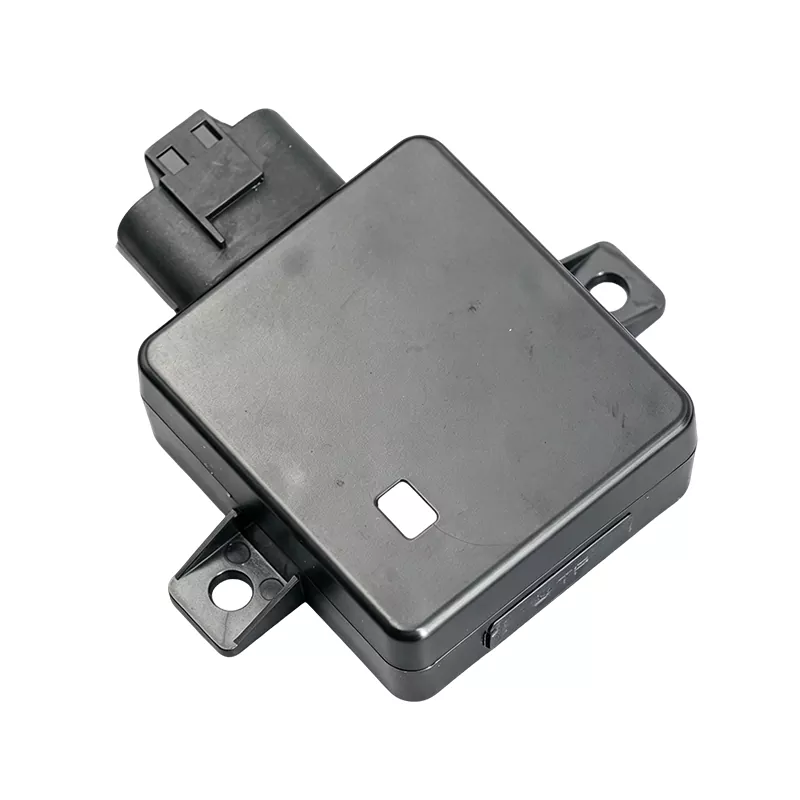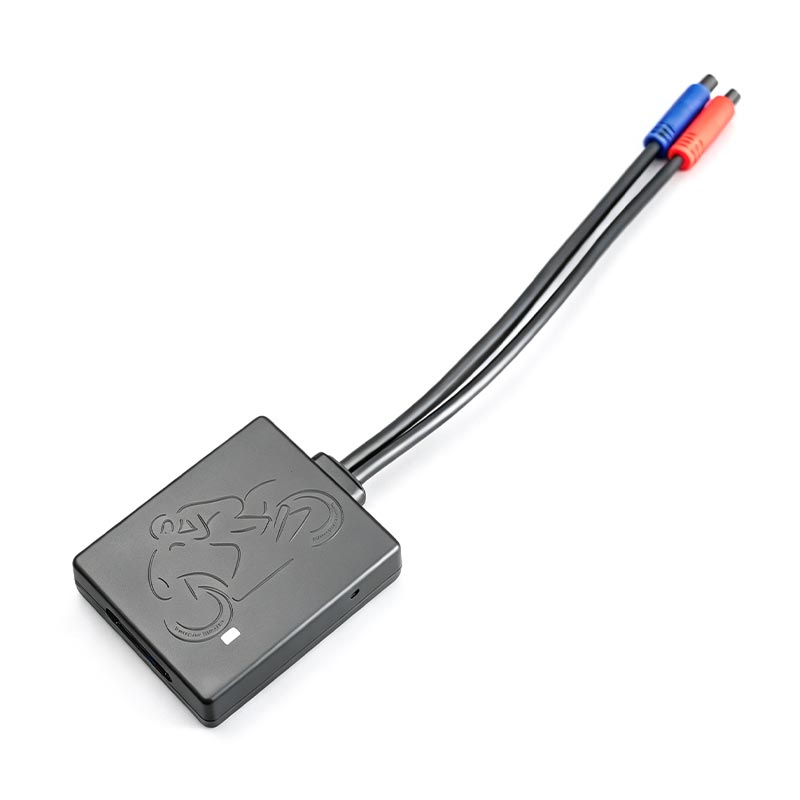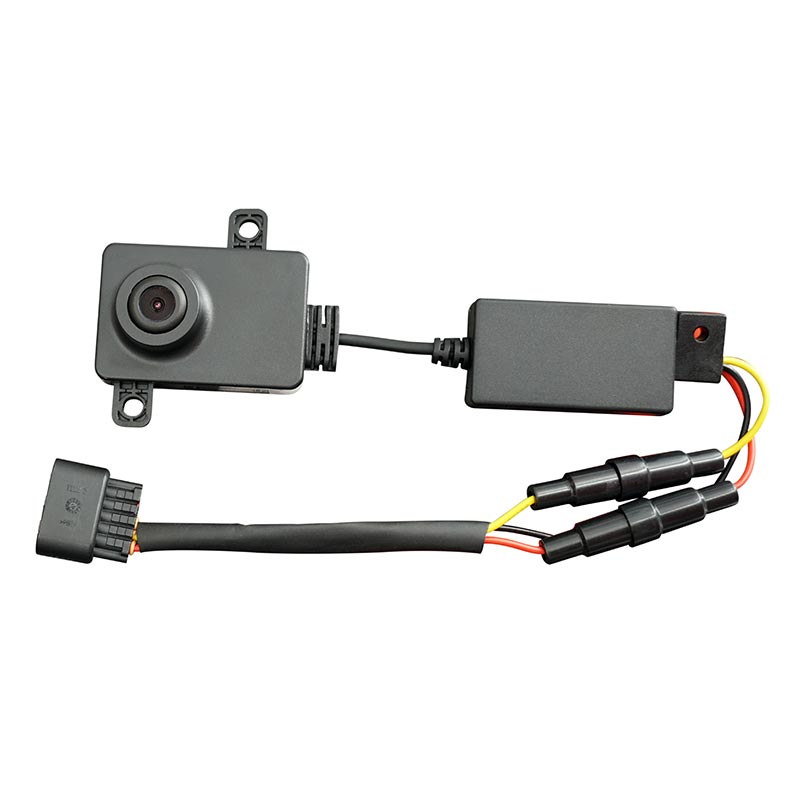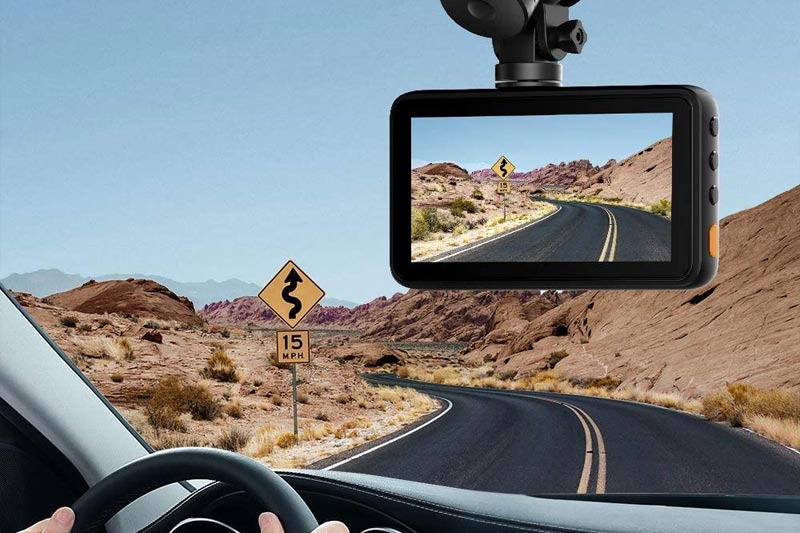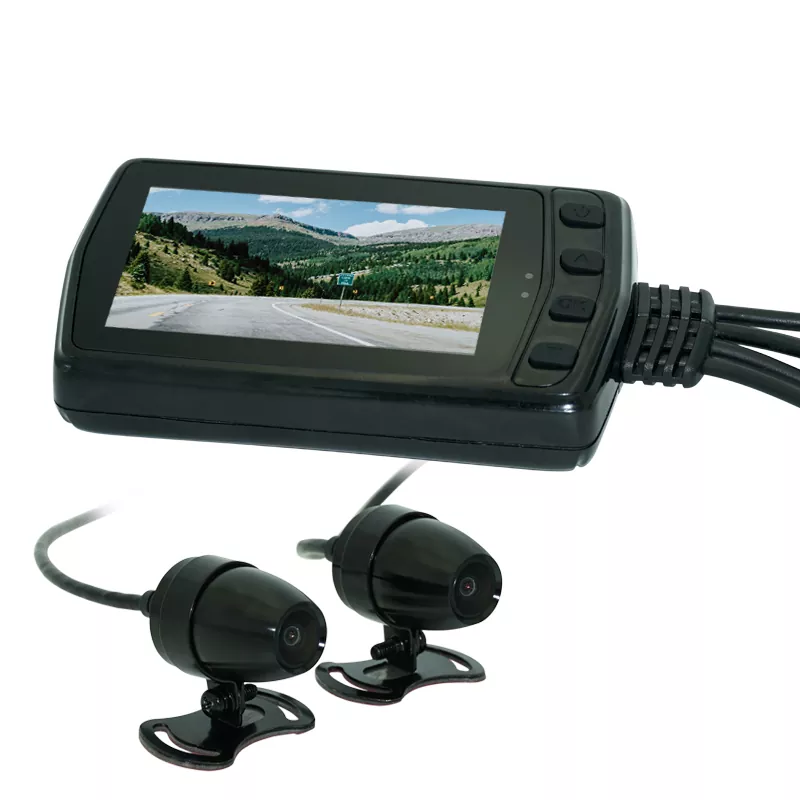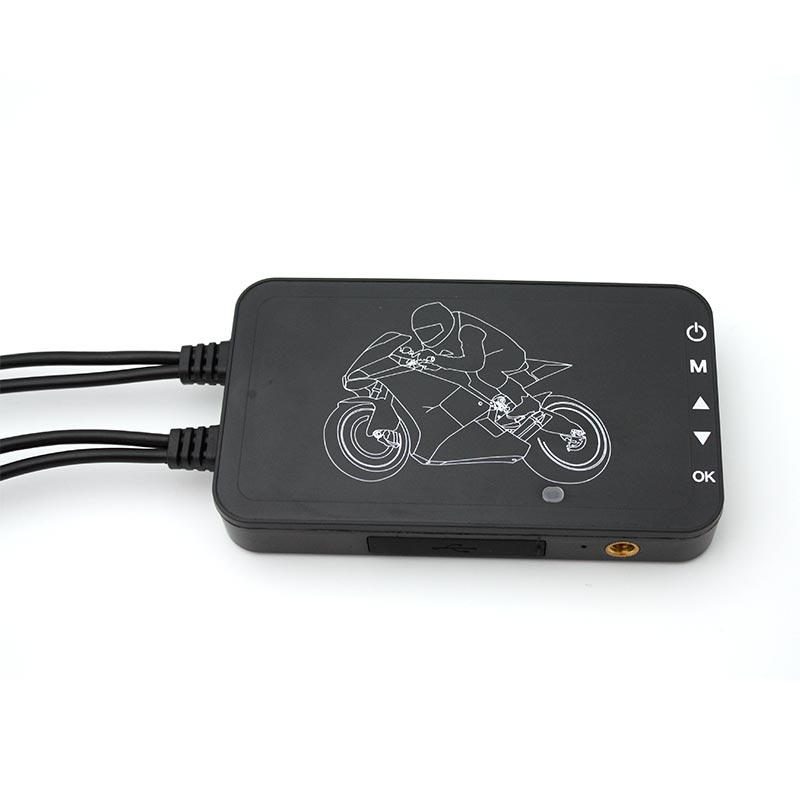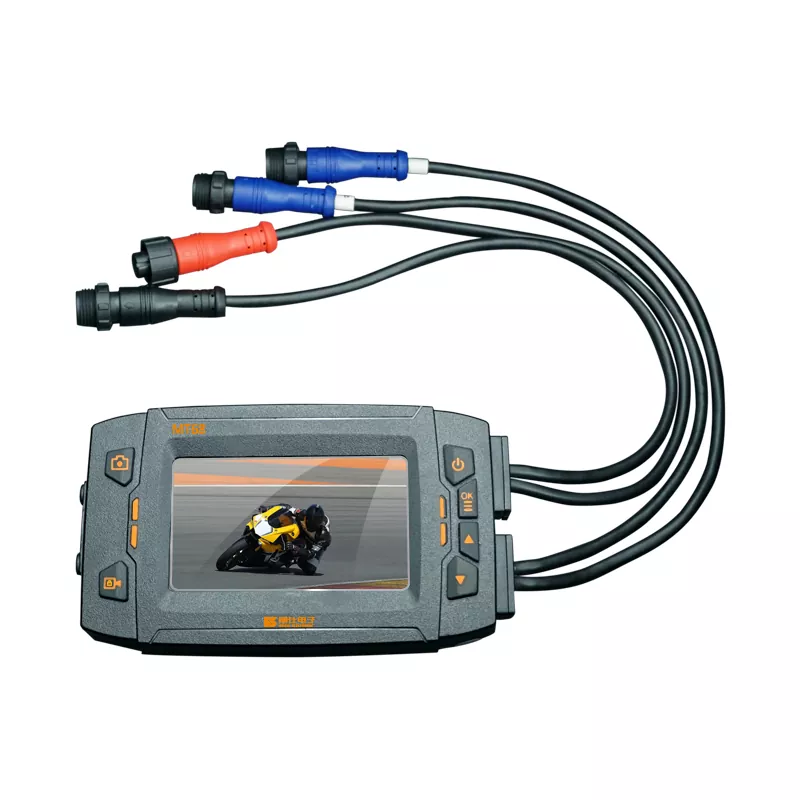

An IP65 waterproof dual-lens motorcycle dash cam helps riders document road conditions from both the front and rear while providing protection against dust and water jets under specified test conditions. By combining two camera views with suitable recording, storage, and mounting arrangements, a motorcycle dash cam can help address common concerns such as traffic disputes, unexpected incidents, and changing weather. Understanding the IP65 rating, image quality, loop recording, installation requirements, and maintenance practices makes it easier to select a practical system for daily commuting, touring, and motorcycle fleet applications.
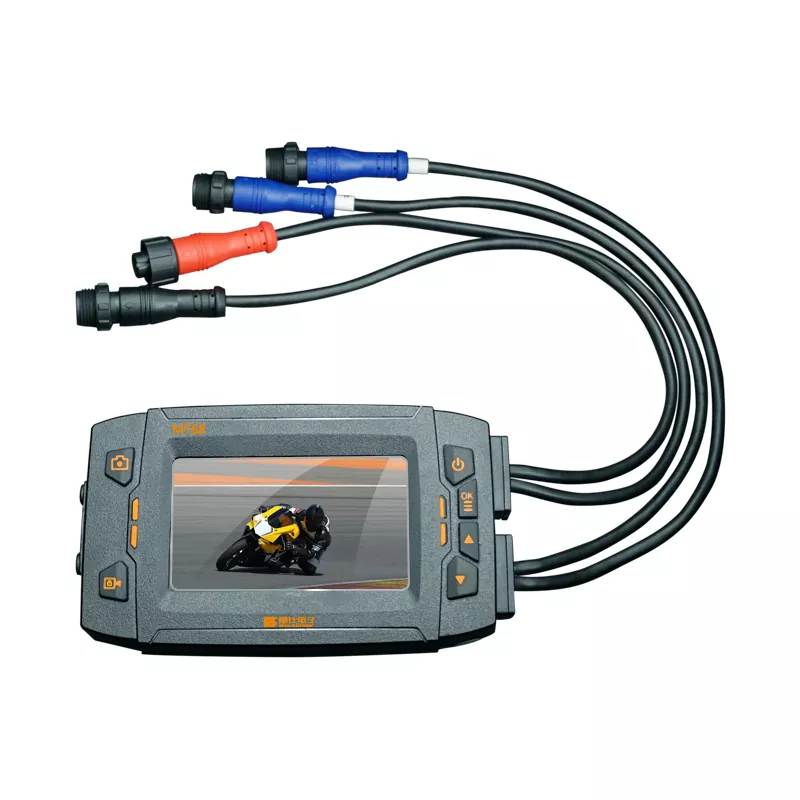
1. Why Do Motorcycle Riders Need Reliable Recording?
Motorcycle riding offers flexibility, convenience, and a direct connection with the road. However, riders are also more exposed to surrounding traffic, road debris, sudden braking, and unpredictable weather. When an incident occurs, explaining exactly what happened can be difficult if there is no reliable record of the journey.
A motorcycle dash cam provides a practical way to document the environment around a bike. Instead of relying entirely on memory or the accounts of other road users, riders can review recorded footage to better understand an event. Depending on the camera's resolution, viewing angle, lighting performance, and mounting position, the video may also help document vehicle movements, road conditions, and the sequence of events.
Common Problems Faced by Motorcycle Owners
- Traffic disputes: A collision or dangerous maneuver can lead to conflicting accounts of what happened.
- Weather exposure: Rain, splashes, dust, and road grime can affect equipment that is not designed for outdoor use.
- Limited rear visibility: Riders cannot continuously monitor vehicles approaching from behind.
- Recording interruptions: Unstable power, incompatible memory cards, or incorrect settings may prevent continuous recording.
- Installation concerns: Loose mounts and poorly routed cables can create reliability or safety problems.
An IP65 waterproof dual-lens motorcycle dash cam addresses several of these practical concerns through environmental protection and front-and-rear video capture. Its effectiveness, however, depends on the complete system design and correct installation rather than the waterproof label alone.
2. What Does IP65 Waterproof Protection Actually Mean?
Motorcycles regularly encounter rain, airborne dust, muddy road spray, and water splashed up by other vehicles. For this reason, ingress protection is an important consideration when selecting motorcycle electronics.
IP65 is an Ingress Protection rating. Under the applicable IEC 60529 classification, the first digit, 6, indicates dust-tight protection. The second digit, 5, indicates protection against water jets from any direction under specified test conditions.
| Rating Element | Meaning | Practical Relevance |
|---|---|---|
| IP | Ingress Protection | Identifies protection against the entry of solid objects and water. |
| First digit: 6 | Dust-tight | Helps prevent dust from entering the protected enclosure under specified testing. |
| Second digit: 5 | Protection against water jets | Suitable for environments where water may strike the enclosure from different directions within the test limits. |
Does IP65 Mean the Camera Can Be Submerged?
No. IP65 should not be interpreted as protection against prolonged immersion in water. Immersion protection is addressed by other IP ratings, including IP67 under its specified test conditions. Even when a product has a higher-rated camera, its recorder, power connections, and accessories may have different protection levels.
For motorcycle use, buyers should confirm the rating of each exposed component instead of assuming that the entire kit shares one rating. This is particularly important when the system includes separate front and rear cameras, a recording unit, a remote controller, connectors, and extension cables.
Why Weather Protection Matters Over Time
Repeated exposure to moisture and dust can affect electronic connections, camera housings, and mounting hardware if these components are not adequately protected. Choosing an appropriately rated system and maintaining its seals and cables can reduce avoidable failures. Riders should also inspect exposed connections periodically, particularly after repairs, modifications, or a fall.
3. How Does Dual-Lens Recording Improve Road Coverage?
A single camera records only the view in front of its lens. Although this can document many situations, it may leave important activity behind the motorcycle outside the recorded scene. A dual-lens system adds a second camera so that the front and rear views can be captured during the same journey.
Front Camera
Records the road ahead, including traffic movement, intersections, lane changes, road hazards, and the actions of vehicles in front of the motorcycle.
Rear Camera
Documents vehicles approaching from behind, rear-end incidents, following distances, and relevant traffic activity outside the front camera's view.
Simultaneous Recording
Provides two perspectives of the same journey, helping riders reconstruct the sequence of events more effectively than a single forward-facing view.
Flexible Installation
Allows the two cameras to be positioned at suitable front and rear locations, provided the mounts, cables, and viewing angles are compatible with the motorcycle.
Why Two Views Can Make a Difference
Consider a motorcycle approaching an intersection when a vehicle changes lanes unexpectedly. The front recording may show the road layout and the vehicle's movement ahead. The rear recording may reveal whether another vehicle was following closely or how traffic behaved after the event.
Neither view guarantees that every detail will be captured, and recorded footage does not automatically determine liability. Nevertheless, synchronized front-and-rear footage can provide a more complete account of a journey and support discussions with insurers or other relevant parties.
When comparing products, check whether both cameras record simultaneously, the resolution available on each channel, and whether selecting a higher resolution on one camera affects the other. Also confirm the supported viewing angles and the actual recording quality rather than judging performance by lens specifications alone.
4. What Features Matter in a Motorcycle Dash Cam?
Water resistance and dual-lens coverage are important starting points, but dependable recording requires several additional capabilities. The best configuration is one that matches the rider's environment, usage frequency, power supply, and storage requirements.
Loop Recording for Continuous Coverage
Loop recording divides video into manageable files. When the memory card reaches capacity, the system can overwrite older, eligible recordings to create space for new footage. This reduces the need to manually delete routine videos after every ride.
Buyers should verify that loop recording is supported, determine the available clip-length settings, and understand how the device handles locked or protected files. Important footage should be backed up promptly rather than left on the memory card indefinitely.
Impact Detection and Emergency File Protection
A supported G-sensor can detect sudden changes in motion associated with events such as abrupt braking or impact. Depending on the product's design and sensitivity settings, the system may protect the associated video from normal loop overwriting.
Sensor performance varies, and ordinary road vibration may trigger unnecessary protection if sensitivity is too high. Riders should test the settings in a safe environment and learn how to lock a clip manually when necessary.
Stable Power and Automatic Startup
A camera that is switched off or loses power during a ride cannot provide a complete recording. Systems designed to start recording automatically when powered on can simplify everyday use and reduce dependence on memory or manual operation.
Before installation, confirm the supported voltage range, wiring arrangement, and whether the kit requires an ignition-controlled power connection or a dedicated converter. Incorrect wiring may damage equipment or affect the motorcycle's electrical system.
Additional Features Worth Considering
- High-definition recording: Helps preserve useful details when viewing footage on a larger screen.
- Low-light performance: Matters for evening commutes, tunnels, and poorly illuminated roads.
- Wide-angle lenses: Expand the recorded scene, although excessive distortion can make details harder to interpret.
- Wi-Fi or app connectivity: May simplify video preview and transfer if supported by the model.
- GPS functionality: Can provide location or speed information when the device includes a compatible GPS module and recording feature.
- High-endurance storage support: Helps accommodate the repeated writing demands of regular video recording.
5. How Can Riders Get More Useful Video Evidence?
Recording quality depends on more than a resolution number. The camera sensor, lens, exposure control, image processing, frame rate, mounting angle, and lighting conditions all influence the final video. A camera may produce detailed footage in daylight but struggle with glare, dark roads, or rapidly changing illumination.
Choose Resolution for the Intended Use
Full HD and higher-resolution recording can help capture road details, but the highest advertised resolution is not always the most practical choice. Buyers should examine whether both cameras support the stated resolution simultaneously and whether the device can sustain recording without overheating or dropping frames.
Position Both Lenses Correctly
A poorly aimed camera may record too much sky, the motorcycle's bodywork, or the road immediately beside the wheel. Adjust the front lens to show the relevant road scene and the rear lens to capture useful traffic activity behind the bike. Ensure that number plates and other important areas are not unnecessarily obscured by accessories or luggage.
Understand Nighttime Limitations
At night, fast-moving vehicles, bright headlights, reflections, and low ambient light can reduce the readability of recorded details. Look for real-world sample footage captured in conditions similar to your regular journeys. If possible, compare footage from both cameras rather than relying exclusively on promotional images.
After installation, perform a short test ride and review several clips on a computer or phone. Confirm that both views are clear, the timestamps are sensible if enabled, and the system records consistently through changes in lighting and road conditions.
6. How Should a Dual-Lens Motorcycle Dash Cam Be Installed?
Correct installation is essential for stable recording, weather protection, and safe motorcycle operation. Before beginning, read the product manual and identify the recommended camera positions, power requirements, cable connections, and mounting hardware.
Step 1: Select Suitable Camera Positions
Mount the front camera where it has a clear view of the road without interfering with the headlight, steering movement, instruments, or the rider's field of vision. Position the rear camera to capture traffic behind the motorcycle while avoiding obstructions from the number plate, luggage, or body panels.
Step 2: Secure the Recording Unit
If the system has a separate recorder, place it in the location specified by the manufacturer. Consider vibration, heat, accessibility, cable reach, and the protection level of the enclosure. Do not assume that a component can be exposed to direct rain simply because the camera modules are waterproof.
Step 3: Route and Secure the Cables
Route cables away from hot exhaust components, sharp edges, moving suspension parts, the chain, and steering mechanisms. Leave sufficient slack where the handlebars move, but secure excess cable to prevent snagging or abrasion. Connectors should be fitted correctly and protected according to the manufacturer's instructions.
Step 4: Connect the Power Supply
Follow the wiring diagram for the specific motorcycle and dash cam. If a hardwired connection is required, use the specified fuse and power arrangement. Riders unfamiliar with motorcycle electrical systems should consult a qualified installer instead of guessing wire functions or connecting directly to an unsuitable power source.
Step 5: Test the Complete System
- Confirm that both cameras display or record correctly.
- Check that the motorcycle's steering and suspension move freely.
- Verify automatic startup and shutdown if those functions are supported.
- Check that the memory card is recognized and loop recording works.
- Review the footage for vibration, blurred images, poor framing, or interruptions.
- Inspect all mounts and cable connections before regular riding.
7. How Can Riders Maintain Long-Term Performance?
A motorcycle dash cam operates in a demanding environment. Vibration, temperature changes, rain, dust, and frequent recording can affect its performance over time. Routine inspection helps identify small problems before they cause missing footage or equipment failure.
Keep the Lenses Clean
Dust, dried water spots, insects, and road grime can reduce image clarity. Clean the lens with a soft, suitable cloth and follow the manufacturer's cleaning instructions. Avoid abrasive materials and aggressive chemicals that could damage lens coatings or seals.
Check the Memory Card Regularly
Continuous recording places repeated demands on storage media. Use a card of the capacity, speed class, and type recommended by the manufacturer. Review important recordings periodically, and format the card using the device's recommended procedure when appropriate after backing up any files you need to keep.
Inspect Mounts, Seals, and Connections
Check that the camera mounts remain secure and that cables show no signs of crushing, fraying, or excessive wear. Look for cracked housings, loose connectors, or damaged seals after an impact or maintenance work. A damaged enclosure may no longer provide the protection associated with its original rating.
Manage Important Recordings Carefully
When an incident occurs, stop and secure the motorcycle before handling the device. Save the relevant footage to another device as soon as it is safe to do so. Keep the original file where possible, preserve useful timestamps and metadata, and avoid unnecessary editing if the recording may be needed for an insurance claim or official report.
8. What Should Buyers Check Before Purchasing?
Individual riders, motorcycle accessory retailers, distributors, and fleet operators may have different priorities. A useful purchasing decision begins with a clear understanding of the intended riding conditions and the capabilities required from the complete camera system.
| Evaluation Point | Questions to Ask | Why It Matters |
|---|---|---|
| Waterproof rating | Which components are rated IP65, and what are the limits? | Helps establish whether the system is suitable for the expected exposure. |
| Dual-channel recording | Do the front and rear cameras record simultaneously? | Confirms that both road views are available during a journey. |
| Video quality | What resolution and frame rate are supported on both channels? | Helps buyers evaluate detail, smoothness, and storage needs. |
| Storage | What memory card types and capacities are compatible? | Reduces the risk of recording errors and insufficient storage. |
| Power compatibility | What voltage, wiring, and startup arrangements are required? | Supports safe installation and reliable operation. |
| Environmental durability | What operating temperatures and vibration conditions are specified? | Helps match the product to the intended riding environment. |
| After-sales support | Are manuals, replacement parts, warranty terms, and technical assistance available? | Supports maintenance and long-term product use. |
For OEM and ODM Buyers
Businesses sourcing motorcycle dash cams for private-label products or distribution programs should also review manufacturing consistency, quality-control procedures, packaging requirements, and documentation. Depending on the target market, buyers may need to verify applicable electrical, radio, environmental, and product safety requirements.
Before confirming an order, clarify the exact specification of the production model. Important details include the protection rating of each component, camera resolution, storage compatibility, cable length, mounting accessories, power input, firmware functions, and available customization options.
Requesting samples and evaluating them under realistic operating conditions can help identify mismatches between expected performance and the actual product. A clear specification sheet also makes it easier to compare quotations and maintain consistency across repeat orders.
9. Which Riding Applications Benefit Most?
Daily Commuting
Commuters often encounter dense traffic, frequent lane changes, intersections, and changing weather. A dual-lens recording system can document both the forward road scene and relevant activity behind the motorcycle, making it a practical option for regular urban travel.
Long-Distance Touring
Touring riders may spend extended periods on unfamiliar roads and travel through multiple weather conditions. A weather-appropriate camera system with reliable power, adequate storage, and secure mounts can document the journey without requiring constant manual recording.
Delivery and Commercial Motorcycle Fleets
For delivery services and other commercial operations, recorded footage may help supervisors review reported incidents and understand driving conditions. Businesses should consider consistent installation procedures, storage management, maintenance schedules, and clear policies governing access to recorded information.
Motorcycle Accessories and Distribution
Retailers and distributors can evaluate dual-lens dash cams as products for riders who value front-and-rear coverage and practical environmental protection. Clear specifications and accurate explanations of waterproof limitations help customers choose a product suited to their motorcycles and local conditions.
Across these applications, a dependable system should combine appropriate ingress protection, stable recording, secure installation, and manageable maintenance. No camera can prevent every accident, but well-positioned recording equipment can help preserve useful information about a ride.
10. Frequently Asked Questions
Q1. Is an IP65 waterproof dual-lens motorcycle dash cam suitable for rainy weather?
An IP65-rated component is designed to resist dust ingress and water jets under specified test conditions. Suitability for rainy riding depends on which parts of the complete system carry the rating, the condition of the seals and connectors, and whether the installation follows the manufacturer's instructions.
Q2. Can an IP65 motorcycle dash cam be submerged in water?
No. IP65 does not indicate protection against immersion. Riders should avoid submerging the device and should not assume that pressure washing is safe. Always follow the specific product's environmental limits.
Q3. Why choose a dual-lens dash cam instead of a single-lens model?
A dual-lens system can record the road ahead and traffic behind the motorcycle simultaneously. This provides broader documentary coverage than a single forward-facing camera, although actual visibility depends on camera placement and image quality.
Q4. Does a motorcycle dash cam record automatically?
Many models support automatic recording when the device receives power, but this is not universal. Confirm whether the selected model supports automatic startup and whether it requires ignition-controlled wiring or a separate power arrangement.
Q5. What is loop recording, and why is it useful?
Loop recording saves video in separate files and reuses available storage by overwriting older, eligible footage when the card fills up. It helps maintain ongoing recording without frequent manual deletion. Important clips should still be backed up promptly.
Q6. Does a G-sensor guarantee that accident footage will be saved?
No. A G-sensor may identify sudden motion and protect associated files, but its behavior depends on sensitivity, system settings, and device design. Riders should understand the locking function, test it safely, and back up critical recordings.
Q7. What memory card should I use?
Use a card that meets the manufacturer's supported capacity, speed, and endurance requirements. Continuous dual-channel recording may demand more storage and sustained write performance than occasional video capture. Check the manual for compatible specifications.
Q8. Can recorded motorcycle dash cam footage be used in an insurance claim?
Potentially. Footage may help document the circumstances of an incident, but its acceptance and evidentiary value depend on local laws, insurer procedures, video quality, and the circumstances of the case. Preserve original files and consult the relevant insurer or authority.
Q9. Is professional installation necessary?
Not for every model, but professional installation is advisable when hardwiring, fuse selection, or complex cable routing is involved. A qualified installer can help protect the motorcycle's electrical system and ensure that cables do not interfere with steering or moving parts.
Q10. What should businesses verify when sourcing motorcycle dash cams in bulk?
Businesses should confirm the component-level waterproof ratings, simultaneous front-and-rear recording specifications, compatible storage, power requirements, operating temperature range, quality-control procedures, warranty terms, and customization options. Samples and documented specifications can help verify product suitability before a larger order.
Looking for a Reliable Motorcycle Dash Cam Solution?
Choosing the right IP65 waterproof dual-lens motorcycle dash cam means balancing weather protection, front-and-rear recording, image quality, storage performance, and installation requirements. Whether you are selecting equipment for personal riding or developing a motorcycle electronics product line, understanding these factors helps you make a more informed decision.
Dongguan Boshi Electronic Technology Co., Ltd. supports motorcycle dash cam product development and sourcing discussions for business customers. Share your target market, preferred specifications, application requirements, and customization expectations to explore a suitable product solution.
For product specifications, OEM/ODM discussions, or further information about motorcycle dash cam solutions, contact us to discuss your requirements and next steps.