
News
How Can a Dual-Lens Motorcycle Dash Cam Improve Riding and Parking Protection?
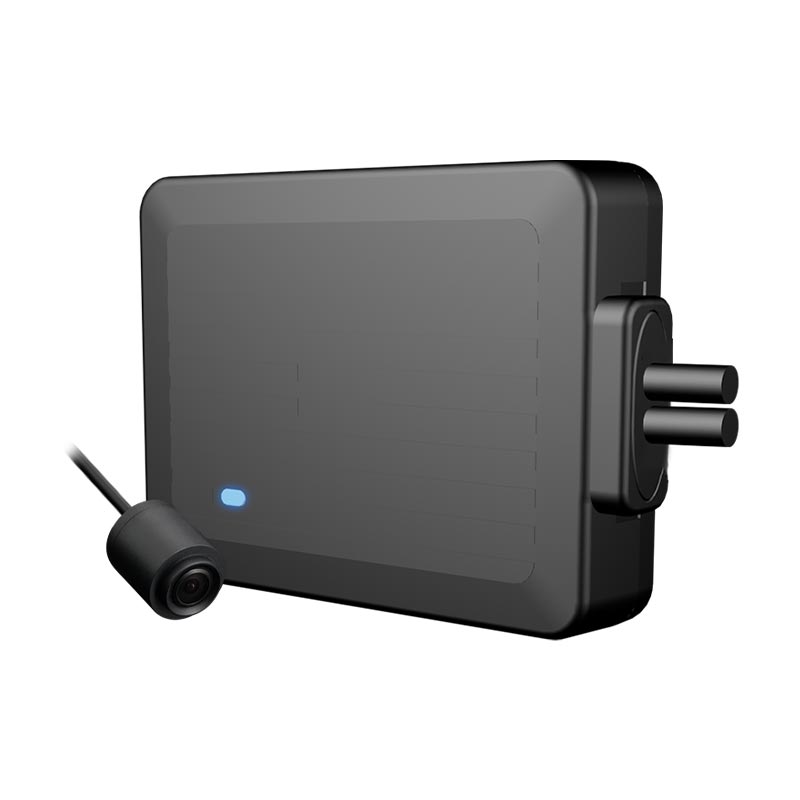
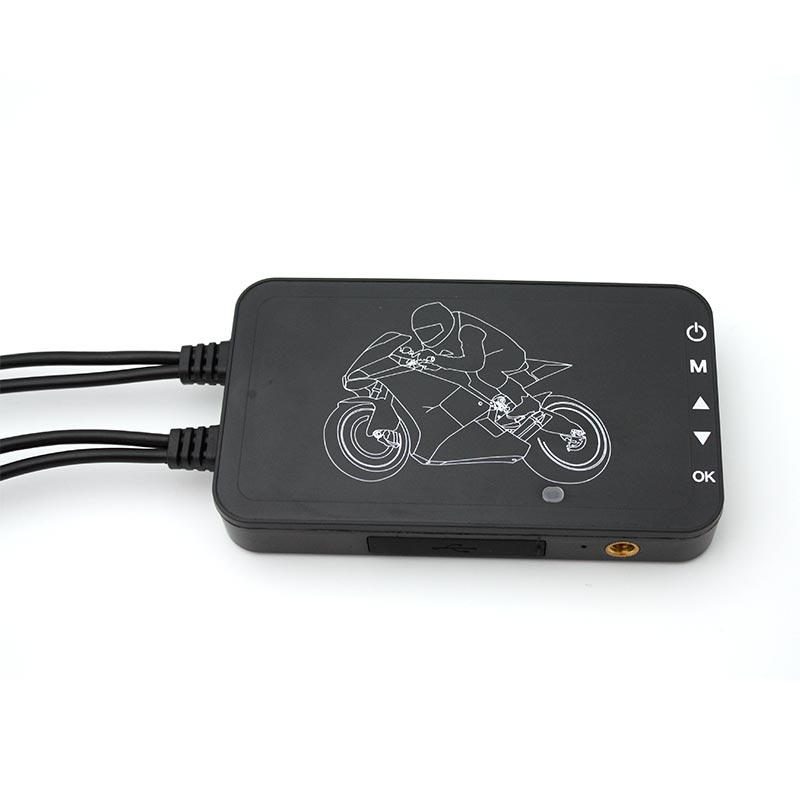
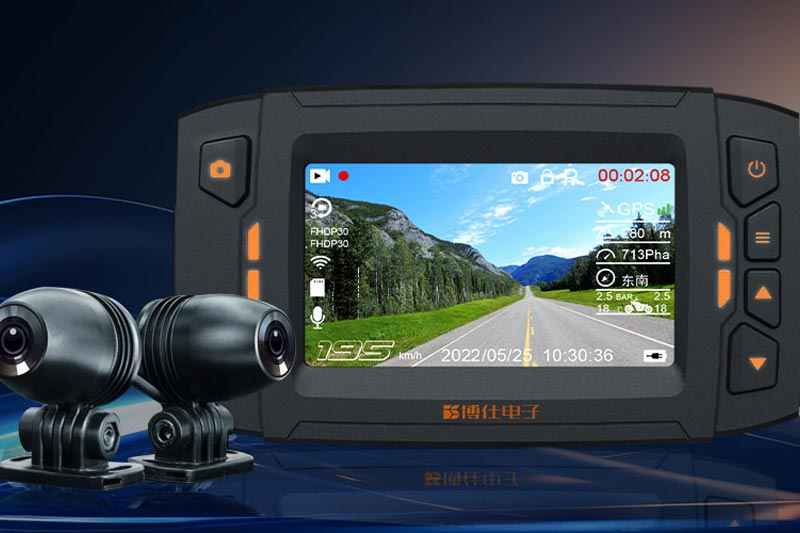
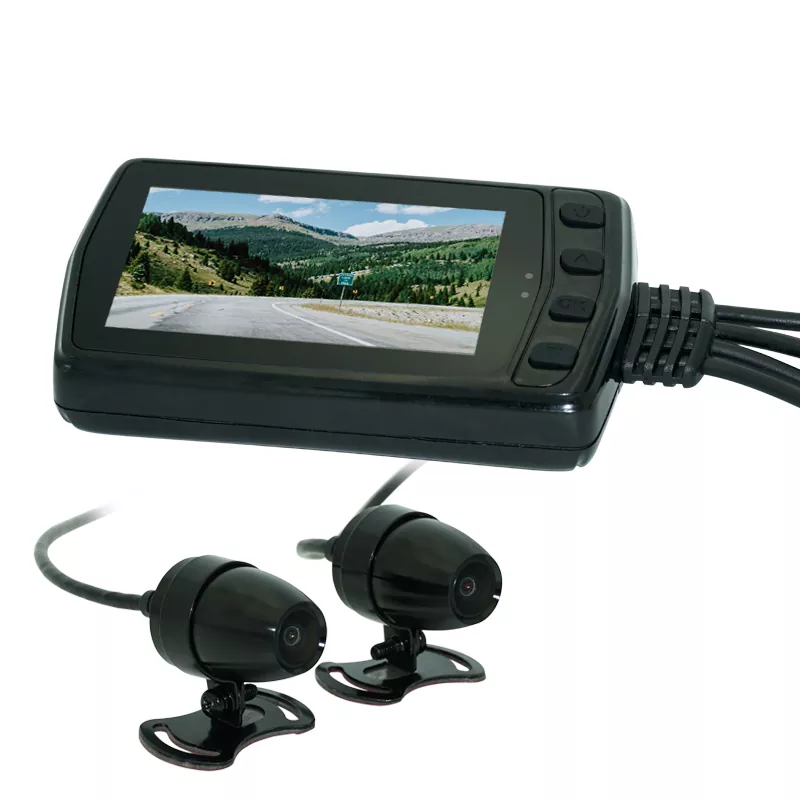
Motorcycles are exposed to traffic risks not only while they are moving but also when they are parked. A front-only camera can record the road ahead, but it may provide limited information when an incident happens from behind or when the motorcycle is unattended. A Dual-Lens Motorcycle Dash Cam with Parking Monitoring addresses these situations by combining front and rear video recording with parking protection.
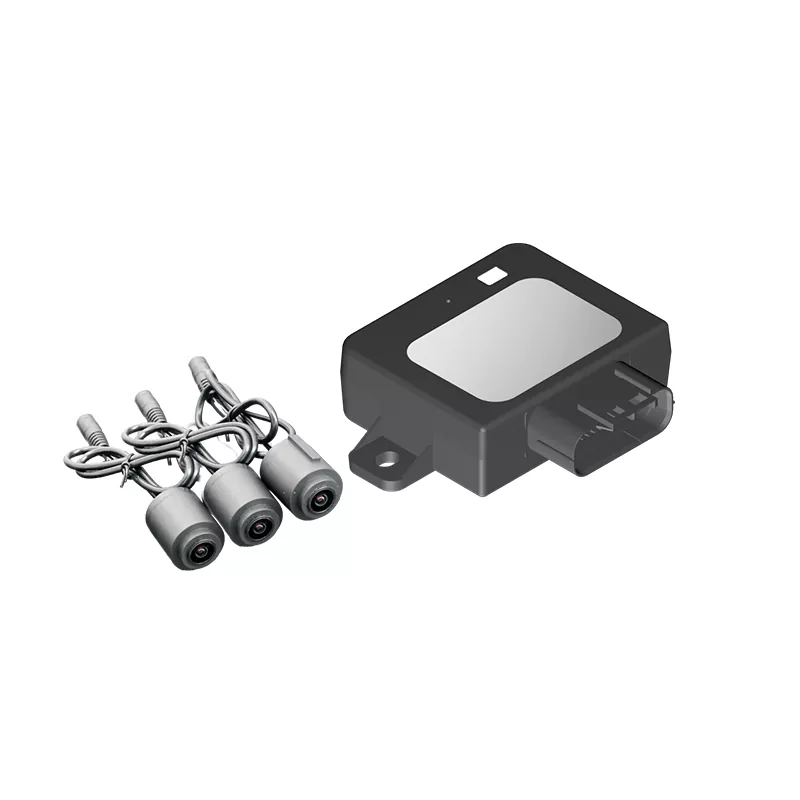
The dual-camera configuration allows the rider to record road conditions in both directions, while the parking monitoring function extends protection beyond normal riding hours. This makes the system suitable for daily commuting, long-distance touring, delivery motorcycles, motorcycle fleets, and other two-wheel vehicle applications. BOSHI develops motorcycle recording solutions for individual riders, distributors, motorcycle accessory suppliers, and OEM projects.
Why Is Front and Rear Recording Important?
Recording More Than the Forward Road
A motorcycle operates in an environment where vehicles can approach from multiple directions. A front camera can capture events ahead of the rider, but it may not clearly document a rear-end collision, overtaking incident, or vehicle approaching from behind.
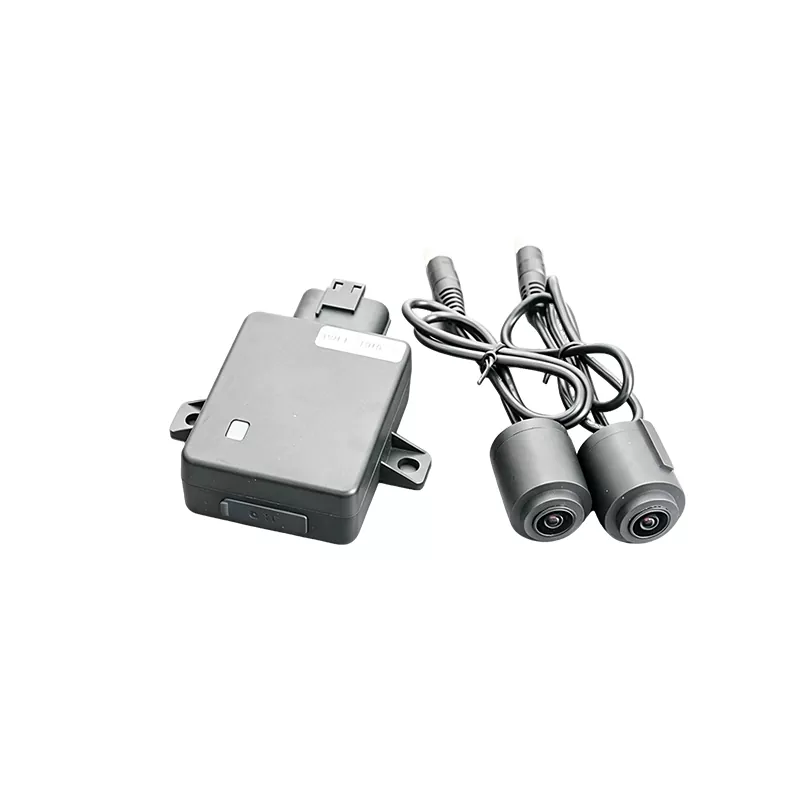
A dual-lens system uses separate front and rear cameras to record both directions simultaneously. This provides a more complete record of the riding environment and can be useful when reviewing traffic incidents.
Supporting Accident Evidence
Traffic incidents can happen quickly, particularly during lane changes, sudden braking, overtaking, or congested urban riding. Having footage from both directions can provide additional information about vehicle movement before and after an incident.
For riders, this can make it easier to review what happened. For fleet operators, recorded footage can also support internal incident analysis and vehicle management.
Improving Rear-Road Visibility
The rear camera provides a dedicated recording view behind the motorcycle. This is especially useful when the motorcycle frequently operates in dense traffic, on highways, or in environments where vehicles approach from behind at different speeds.
How Does Parking Monitoring Work?
Monitoring After the Motorcycle Is Parked
The motorcycle may remain unattended for several hours after the rider reaches a destination. Parking monitoring allows the dash cam to continue providing a security function after normal riding has ended.
Depending on the selected configuration, the system can enter a low-power monitoring state after the motorcycle is parked and respond to detected impacts or abnormal movement.
Protecting Against Parking Incidents
A parked motorcycle can be affected by accidental contact from another vehicle, minor collisions, attempted theft, or other unexpected events. Without a recording device, the rider may have little information about what happened.
Parking monitoring can automatically capture relevant footage when the system detects an abnormal event, helping preserve a record that may otherwise be unavailable.
Balancing Monitoring and Battery Protection
Continuous monitoring can place additional demands on the motorcycle's electrical system. For this reason, low-power standby operation is an important consideration when selecting a dash cam with parking monitoring.
The power-management design should be matched to the motorcycle's battery capacity, wiring configuration, and expected parking duration. Buyers should confirm the actual parking-monitoring power requirements of the selected model before installation.
Where Can a Dual-Lens Motorcycle Dash Cam Be Used?
Daily Motorcycle Commuting
For riders who use motorcycles to travel to work every day, front and rear recording can provide broader documentation of the daily journey. This is particularly useful in busy urban traffic where vehicles frequently change lanes or approach from behind.
Parking monitoring can also provide additional protection when the motorcycle is left outside an office, residential building, shopping area, or public parking location.
Long-Distance Touring
Touring riders may travel for several hours across highways, mountain roads, and unfamiliar routes. A dual-lens camera can record both the road ahead and the traffic behind throughout the journey.
The additional rear footage can be useful when reviewing road events that cannot be fully understood from a front-facing recording alone.
Delivery Motorcycles
Delivery riders spend long periods on the road and frequently stop at different locations. Their motorcycles may also be parked temporarily outside restaurants, residential buildings, commercial facilities, or delivery destinations.
A dash cam with front and rear recording can document working routes, while parking monitoring can provide additional protection during short or extended stops.
Motorcycle Fleets
Rental companies, delivery businesses, logistics operators, and other fleet users may need consistent video documentation across multiple motorcycles. A standardized dual-lens configuration can provide a common recording solution for different vehicles within the fleet.
For commercial fleet projects, buyers should also consider storage management, installation consistency, power consumption, data access, and after-sales support.
What Are the Advantages of a Dual-Lens Configuration?
Front and Rear Coverage
The primary advantage is the ability to record two directions simultaneously. Instead of relying on a single viewpoint, the system provides front and rear footage that can be reviewed separately when necessary.
Separate Camera Installation
The front and rear cameras can be positioned independently according to the motorcycle structure. This provides greater installation flexibility for motorcycles with different body designs, rear racks, fairings, and available mounting points.
Better Adaptation to Motorcycle Structures
Motorcycles have significantly different frame and body configurations. A separate front and rear camera layout allows installers to select suitable positions for each lens instead of relying on one fixed camera position.
How Do Outdoor Conditions Affect Motorcycle Dash Cams?
Rain and Water Exposure
Unlike vehicle-mounted cameras installed inside a passenger cabin, motorcycle cameras are directly exposed to rain, road splash, humidity, and dust. Waterproof protection is therefore an important specification for outdoor use.
Selected BOSHI dual-lens configurations can use waterproof camera housings, with IP67 protection available for compatible camera configurations. Buyers should confirm the actual protection rating of the specific model before ordering.
Road Vibration
Motorcycles experience continuous vibration from the engine, road surface, acceleration, braking, and uneven pavement. The camera mounting structure must therefore remain stable during normal riding.
The mounting position should be selected carefully to prevent excessive vibration from changing the viewing angle or affecting recording stability.
Temperature Changes
Outdoor motorcycles can operate in changing temperatures throughout the year. Buyers should check the specified operating temperature range of the selected dash cam and compare it with the expected riding environment.
What Recording Functions Should Buyers Consider?
| Function | Application Value |
|---|---|
| Front and Rear Recording | Provides simultaneous road footage in both directions |
| Loop Recording | Allows continuous recording by managing older routine files |
| G-Sensor | Can detect impacts and protect relevant recordings |
| Parking Monitoring | Provides monitoring after the motorcycle is parked |
| Waterproof Camera | Supports outdoor use in rain and water-splash environments |
| Wi-Fi | Allows convenient video management on compatible configurations |
| Wide-Angle Lens | Provides broader visual coverage of the road |
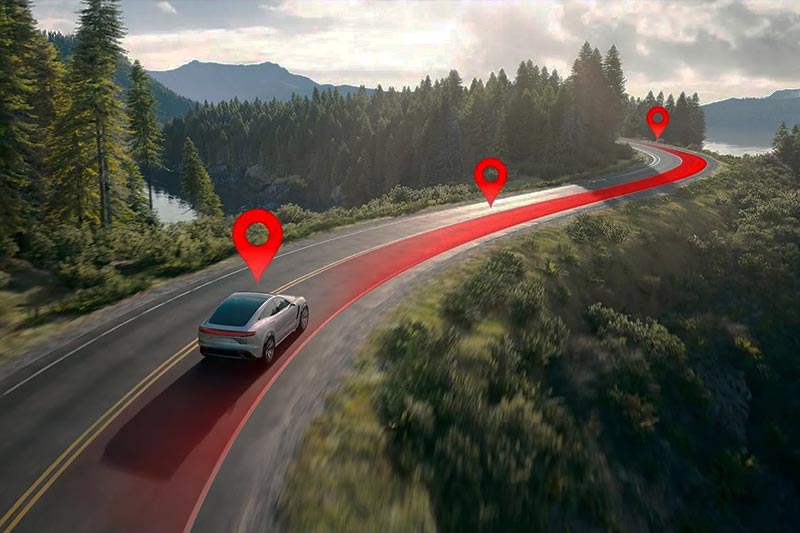
| GPS | Can provide location-related riding information on compatible models |
| BSD Integration | Can extend the system with blind-spot detection on supported configurations |
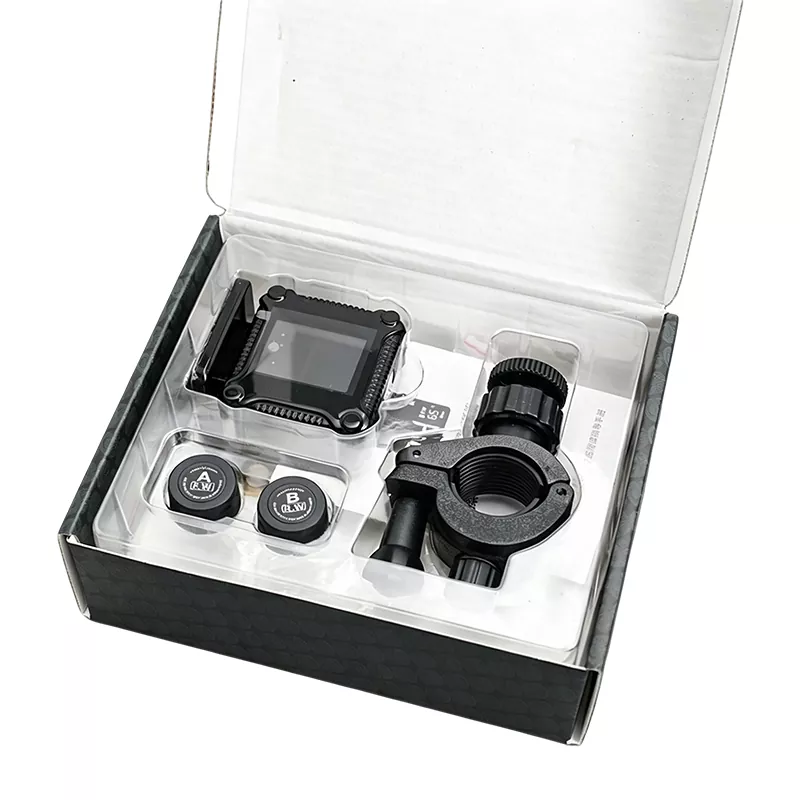
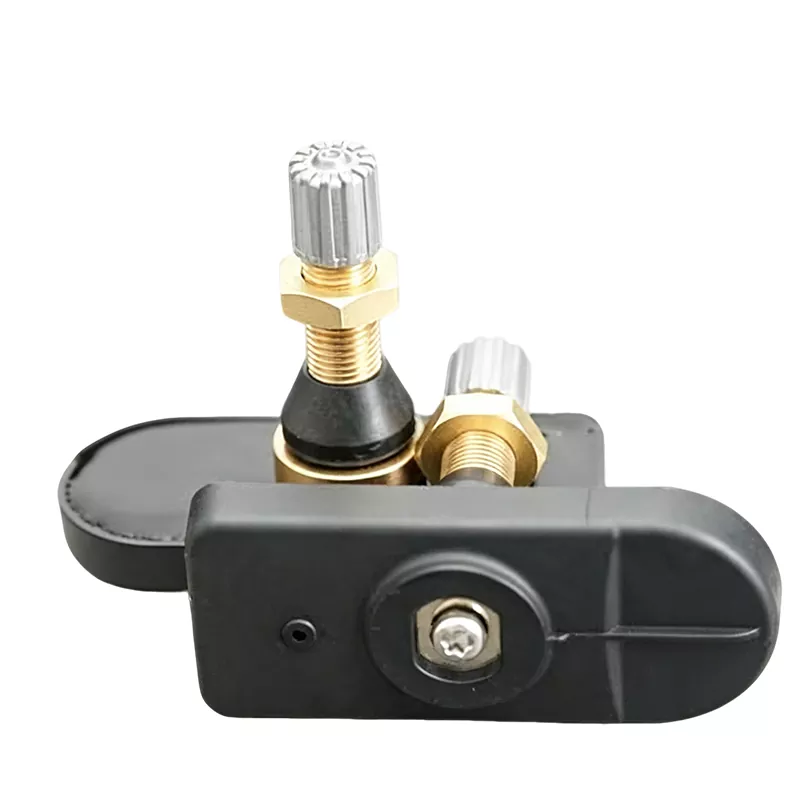
| TPMS Integration | Can combine video recording with tire pressure monitoring on selected systems |
What Should Buyers Check Before Ordering?
Camera Resolution
Buyers should determine the required front and rear image resolution according to the application. For fleet management and evidence recording, image clarity should be considered together with storage capacity and recording duration.
Storage Capacity
Dual-channel recording generates more video data than a single-lens system. The required memory capacity should therefore be calculated according to the resolution, compression format, recording duration, and expected frequency of file retrieval.
Power Supply
The dash cam should be compatible with the motorcycle's electrical system. Buyers should confirm the input voltage, wiring method, ACC connection, parking-monitoring power arrangement, and battery protection strategy before installation.
Camera Protection
The front and rear camera housings should have sufficient protection for their installation locations. The rear camera may be particularly exposed to road spray, mud, and water depending on the motorcycle design.
Installation Space
The front camera should provide a clear view without obstructing the rider's normal operation. The rear camera should be positioned to provide a useful rear-facing view while avoiding interference with the license plate, tail light, luggage rack, or other motorcycle components.
How Should the Dash Cam Be Installed?
Position the Front Camera Correctly
The front camera should be mounted in a stable position with an unobstructed view of the road. The lens angle should be adjusted after installation to avoid excessive sky, motorcycle bodywork, or other unnecessary areas in the image.
Position the Rear Camera
The rear camera should provide a clear view behind the motorcycle. Installers should check the viewing angle after the motorcycle is fully assembled because luggage, rear racks, passengers, or other accessories can change the effective field of view.
Secure the Wiring
Front and rear camera cables should be routed along suitable sections of the motorcycle frame. Wiring should be kept away from moving components, exhaust heat, sharp edges, and locations where repeated bending may damage the cable.
Test Parking Monitoring
After installation, users should verify that normal recording starts correctly when the motorcycle is powered on and that the parking-monitoring function behaves as expected after the ignition is switched off.
What Maintenance Is Required?
Clean Both Camera Lenses
The front and rear lenses should be cleaned regularly because road dust, rainwater, mud, and oil can accumulate during normal riding. Even a high-resolution camera cannot produce clear footage if the lens surface is contaminated.
Check Mounting Stability
The mounting brackets should be inspected periodically to ensure that vibration has not caused movement or looseness. A changed camera angle can reduce the usefulness of recorded footage.
Inspect Power Connections
Power and grounding connections should be checked when maintenance is performed. Loose or damaged connections can cause intermittent recording or unexpected shutdowns.
Check Storage Performance
The memory card should be maintained according to the manufacturer's recommendations. Users should periodically verify that video files are being recorded correctly and that important locked footage can be retrieved when required.
How Can BOSHI Support B2B Motorcycle Dash Cam Projects?
Different Camera Configurations
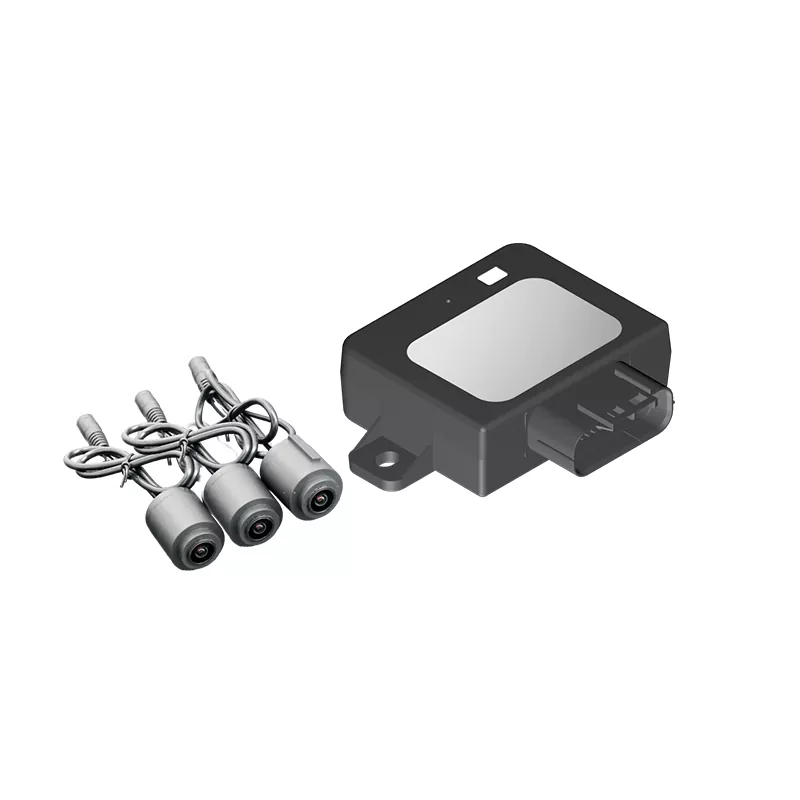
BOSHI provides motorcycle recording products covering single-lens, dual-lens, panoramic, and customized configurations. This allows distributors and project buyers to select a recording structure according to the required coverage and vehicle application.
Optional Intelligent Functions
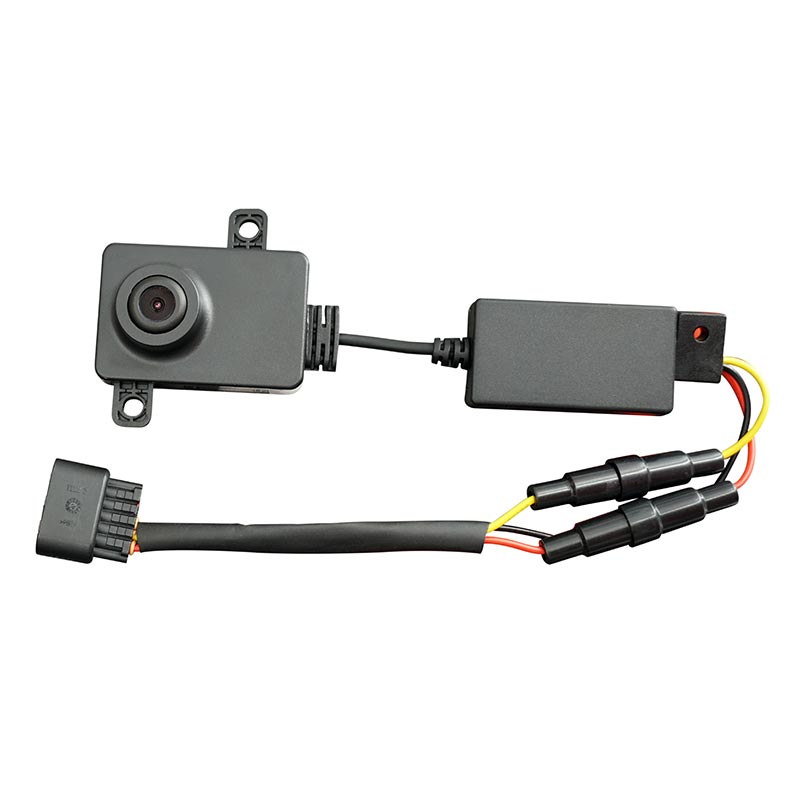
For projects requiring more than basic recording, compatible configurations can integrate functions such as GPS, blind-spot detection, tire pressure monitoring, and selected ADAS functions. The available functions depend on the specific hardware and software configuration.
OEM and ODM Support
Motorcycle manufacturers, accessory brands, distributors, and fleet operators may require customized hardware, housing, software, packaging, or system integration. BOSHI can support project-based configuration according to the required motorcycle application and target market.
Related News
- What Makes an IP65 Waterproof Dual-Lens Motorcycle Dash Cam Essential for Safer Riding?
- Collision-Sensing Locking Dual-Lens Motorcycle Dash Cam Enhances Riding Safety with BOSHI Technology
- What Makes a Dashcam for Motorcycle Traffic Enforcement Reliable on the Road?
- How Does a Single-Lens Motorcycle Dashcam Protect Riders on Every Journey?
- How Does Loop Recording Help Motorcycle Riders Keep Continuous Road Footage?
- Locator Market Shifts from Basic Tracking to Intelligent IoT Nodes
Leave me a message