
News
How Does a Single-Lens Motorcycle Dashcam Protect Riders on Every Journey?
A Single-Lens Motorcycle Dashcam can do far more than record a ride. For motorcyclists, it can provide valuable visual evidence after an accident, document unexpected road conditions, discourage fraudulent claims, and preserve important moments from daily commuting or long-distance touring. This guide explains how a single-lens motorcycle dashcam works, which features matter most, how to avoid common purchasing mistakes, and how to choose a reliable solution for different riding environments.
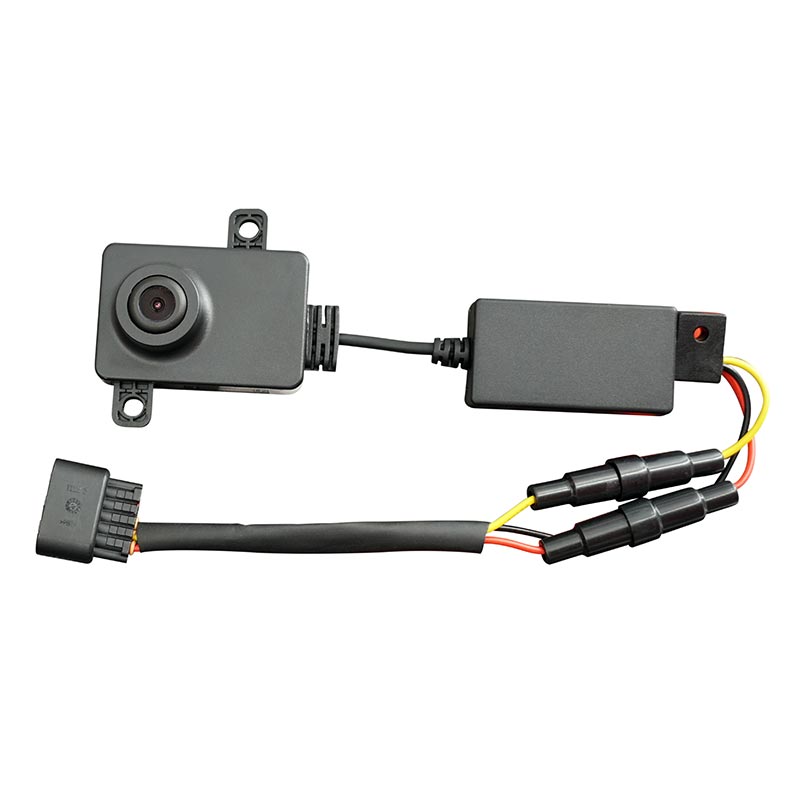
Table of Contents
- Why Motorcycle Riders Need Reliable Visual Evidence
- What a Single-Lens Motorcycle Dashcam Does
- Key Features That Matter on Real Roads
- How a Single-Lens System Performs in Different Riding Conditions
- Common Problems Riders Face Without a Dashcam
- How to Choose the Right Single-Lens Motorcycle Dashcam
- Installation and Maintenance Essentials
- Single-Lens Motorcycle Dashcam Applications
- Comparison of Important Features
- Frequently Asked Questions
- Final Thoughts and Supplier Guidance
Why Motorcycle Riders Need Reliable Visual Evidence
Motorcycles provide freedom, flexibility, and an exciting riding experience, but riders are also more exposed to traffic risks than people inside passenger vehicles. A sudden lane change, an aggressive driver, an unexpected obstacle, or a minor collision can quickly become a difficult dispute.
One of the biggest challenges after a road incident is determining exactly what happened. Drivers and riders may remember events differently, witnesses may leave the scene, and traffic conditions can change within seconds. A Single-Lens Motorcycle Dashcam provides a continuous visual record that can help establish what was visible from the motorcycle at the time.
This is particularly useful for commuters, delivery riders, touring enthusiasts, and professional riders who spend long hours on the road.
Practical benefit: The primary purpose of a motorcycle dashcam is not simply to create riding videos. Its greater value is providing a reliable record of road events when the rider may otherwise have limited evidence.
What a Single-Lens Motorcycle Dashcam Does
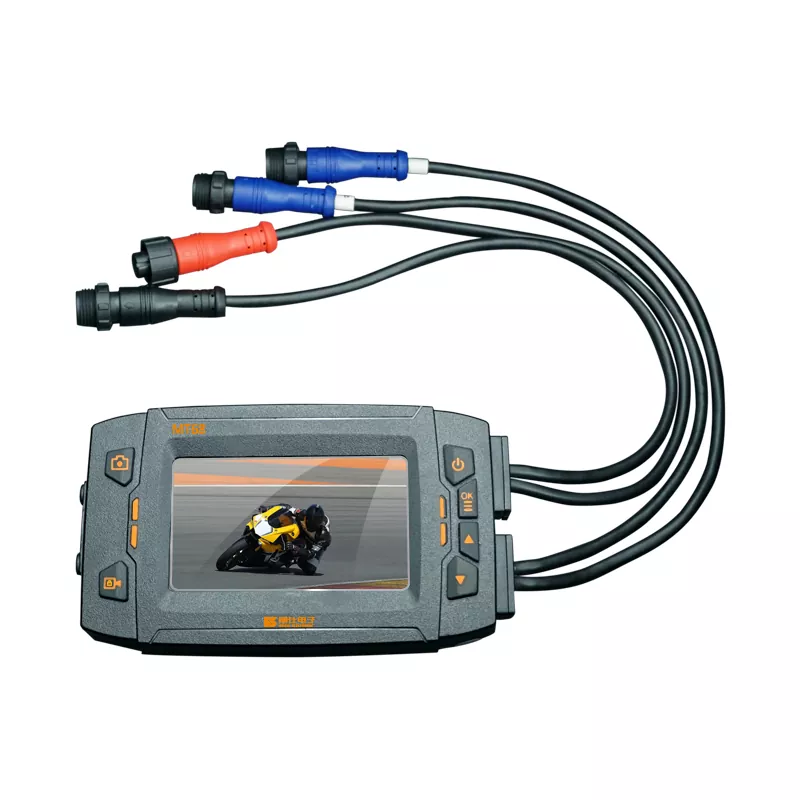
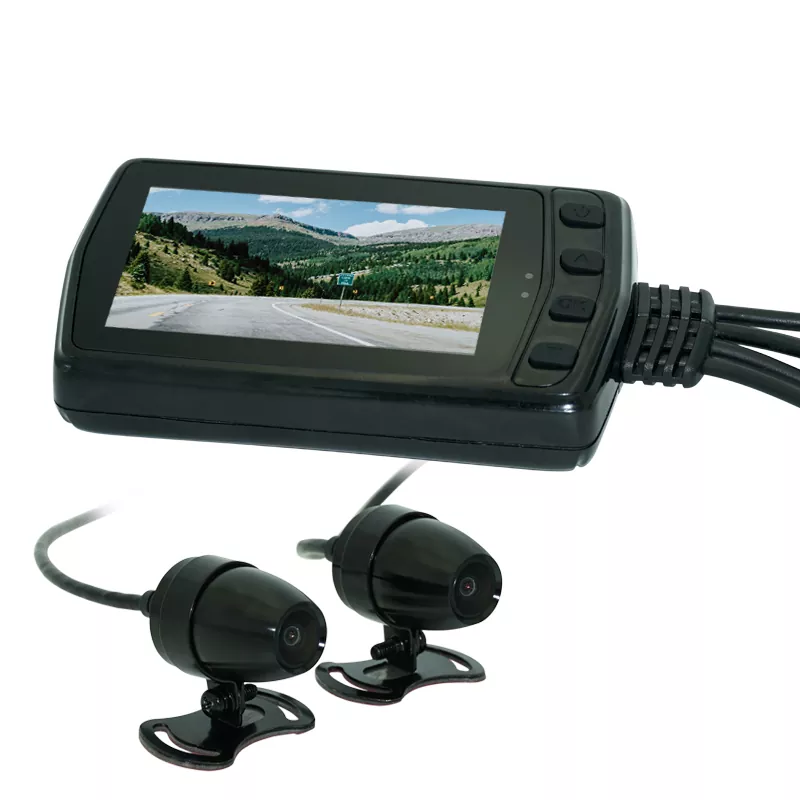
A Single-Lens Motorcycle Dashcam is a compact camera system designed to continuously capture video from one viewing direction, normally toward the front of the motorcycle. Compared with larger multi-camera systems, a single-lens design can simplify installation while reducing hardware complexity.
The camera records the road ahead as the motorcycle moves. Depending on the model, footage may be stored on a memory card and organized into individual video segments. Loop recording can allow older footage to be overwritten when storage capacity is reached, while important files may be protected from automatic deletion.
A well-designed system should also be suitable for the vibration, temperature changes, dust, moisture, and movement associated with motorcycle use.
For riders who mainly want dependable front-facing evidence without installing multiple cameras, a single-lens configuration can offer a practical balance between functionality, installation simplicity, and system size.
Key Features That Matter on Real Roads
Not every camera marketed for motorcycle use delivers the same practical performance. Riders should focus on features that remain useful outside ideal laboratory conditions.
| Feature | Why It Matters | What Riders Should Consider |
|---|---|---|
| Video Resolution | Improves the visibility of road details. | Look for clear footage suitable for identifying important visual information. |
| Wide Viewing Angle | Captures more of the road environment. | A useful balance is needed to avoid excessive image distortion. |
| Loop Recording | Allows continuous recording. | Check file segmentation and storage compatibility. |
| Vibration Resistance | Motorcycles generate substantial vibration. | The housing and mounting system should be designed for motorcycle conditions. |
| Water Resistance | Protects the device during changing weather. | Verify the actual protection rating and installation requirements. |
| Night Recording | Important for evening and nighttime riding. | Assess low-light clarity rather than relying only on resolution numbers. |
| Stable Power Supply | Supports consistent operation during long rides. | Check compatibility with the motorcycle's electrical system. |
Image Quality Is More Than Resolution
High resolution is useful, but it should not be considered in isolation. A camera with strong image processing, appropriate exposure control, and good lens quality can produce more useful footage than a camera that simply advertises a larger pixel count.
For example, bright headlights at night can cause poor exposure, while strong sunlight can create harsh contrast during daytime riding. A capable motorcycle camera should maintain enough detail across different lighting environments to make recorded footage practically useful.
How a Single-Lens System Performs in Different Riding Conditions
Motorcycle riders rarely operate under perfectly controlled conditions. A useful dashcam needs to cope with real-world changes.
- Urban traffic: Frequent stops, lane changes, pedestrians, bicycles, and crowded intersections make a clear forward view valuable.
- Highway riding: Higher speeds make stable recording and sufficient image detail especially important.
- Night riding: Low-light performance and exposure management become critical.
- Rainy weather: Water-resistant construction and suitable mounting are important.
- Long-distance touring: Stable power, storage capacity, and durable construction support extended operation.
- Rough roads: Strong mounting and vibration resistance can help maintain a usable image.
These conditions illustrate why product specifications should be evaluated as a complete system rather than by one headline feature.
Common Problems Riders Face Without a Dashcam
Many motorcycle-related disputes become difficult because the rider has no independent visual record. Several recurring problems can be reduced by continuous recording.
- Unclear accident circumstances: Without video evidence, it can be difficult to reconstruct the sequence of events.
- Disputed responsibility: Different parties may provide conflicting descriptions of what happened.
- Unexpected road hazards: Potholes, debris, sudden obstacles, and unusual traffic events may not be remembered accurately afterward.
- Missing witnesses: People who witness an incident may leave before information can be collected.
- Lost riding memories: Scenic routes and special trips can disappear from memory without a recording.
A dashcam cannot prevent every accident, and recorded footage does not automatically determine legal responsibility. However, it can provide an objective record that may be useful when reviewing an incident.
How to Choose the Right Single-Lens Motorcycle Dashcam
The best product depends on how and where the motorcycle is used. Buyers should consider the complete operating environment before placing an order.
Start With the Riding Environment
A city commuter may prioritize compact installation and reliable daily recording, while a touring rider may care more about durability, storage, weather resistance, and extended power operation.
Evaluate the Mounting System
A powerful camera is of limited value if the mount moves excessively. The mounting structure should provide a stable viewing angle and withstand ordinary motorcycle vibration.
Check Storage Requirements
Video files can consume considerable storage space. Buyers should confirm compatible memory-card capacity, recording formats, file segmentation, and whether important footage can be locked against automatic overwriting.
Consider Power Integration
For regular use, riders may prefer a system that integrates with the motorcycle's electrical supply rather than depending entirely on a small internal battery. Installation should always follow the manufacturer's electrical requirements.
Assess Physical Durability
Motorcycle electronics face vibration, dust, moisture, heat, and cold. The housing, connectors, lens protection, mounting hardware, and cable routing should therefore be considered together.
Buyer tip: Do not evaluate a Single-Lens Motorcycle Dashcam only by resolution or price. Reliability, installation, storage, power management, and environmental protection can have a greater impact on long-term satisfaction.
Installation and Maintenance Essentials
Correct installation is essential for obtaining useful footage. Even a high-quality camera may produce poor results if it is mounted at the wrong angle or exposed to unnecessary vibration.
- Position the lens to capture the road ahead without excessive obstruction.
- Secure the mount firmly and inspect it periodically.
- Route cables away from moving mechanical components.
- Keep the lens clean and free from water spots, dust, and fingerprints.
- Check memory-card condition and available storage regularly.
- Inspect power connections if the system experiences unexpected shutdowns.
- Review sample recordings periodically to confirm that the camera is operating correctly.
Routine inspection is particularly important for motorcycles used every day or in challenging weather conditions.
Single-Lens Motorcycle Dashcam Applications
The technology can serve a wide range of riders and commercial applications.
| Application | Primary Value |
|---|---|
| Daily Commuting | Provides a continuous record of everyday traffic conditions. |
| Motorcycle Touring | Documents long-distance routes and memorable journeys. |
| Delivery Services | Creates useful visual records during frequent road travel. |
| Training and Fleet Use | Can support ride review and operational documentation. |
| Adventure Riding | Records changing road conditions and outdoor riding experiences. |
Comparison of Important Features
| Requirement | Basic Solution | Professional-Oriented Solution |
|---|---|---|
| Video Recording | Basic continuous recording | Stable recording with better image processing |
| Mounting | Standard mounting hardware | More durable and vibration-conscious mounting |
| Weather Protection | Limited protection | Designed with motorcycle outdoor use in mind |
| Power | Simple power connection | Stable integration for extended operation |
| Target User | Occasional rider | Daily commuter, touring rider, delivery operator, or fleet |
Frequently Asked Questions About Single-Lens Motorcycle Dashcams
1. Is a Single-Lens Motorcycle Dashcam suitable for daily commuting?
Yes. A single-lens system can be a practical solution for riders who primarily need a forward-facing visual record. Its relatively simple configuration can also make daily installation and operation more convenient.
2. Does a motorcycle dashcam work at night?
It can, but nighttime performance depends heavily on the camera sensor, lens, exposure control, image processing, and surrounding lighting. Buyers should evaluate actual low-light recording quality rather than relying only on the advertised resolution.
3. Can a dashcam record during rain?
A suitable motorcycle dashcam can be designed for outdoor conditions, but buyers should verify the device's actual water-resistance specifications and ensure that connectors and cable entry points are installed correctly.
4. Why is vibration resistance important?
Motorcycles naturally generate vibration through the engine, road surface, and suspension. Excessive vibration can affect the stability of the recorded image and the durability of electronic components or mounting hardware.
5. How does loop recording help riders?
Loop recording allows the system to continue recording by managing older video files when storage becomes full. This reduces the need for the rider to manually delete files after every trip.
6. Can recorded footage be used after an accident?
Recorded footage may provide useful evidence when reviewing an incident. However, its legal usefulness depends on local laws, authorities, insurers, and the specific circumstances of the case. Riders should retain original files and avoid unnecessary editing if footage may be needed as evidence.
7. What should buyers check before purchasing a motorcycle dashcam?
Important considerations include image quality, viewing angle, storage compatibility, loop recording, power requirements, mounting stability, environmental protection, operating temperature, cable design, and after-sales support.
8. Is a single-lens system easier to install than a multi-camera system?
In many applications, a single-lens configuration can simplify installation because there is only one primary camera position to manage. This can reduce wiring complexity and make it suitable for riders who want a straightforward forward-facing recording solution.
Final Thoughts: Turning Every Ride Into a More Documented Journey
A motorcycle dashcam is more than an accessory for recording scenic roads. For everyday riders, professional users, and touring enthusiasts, it can provide an additional layer of documentation when unexpected events occur.
The Single-Lens Motorcycle Dashcam is particularly attractive for applications where a reliable forward-facing view, compact configuration, straightforward installation, and continuous recording are the main priorities. The right solution should combine dependable image quality with stable mounting, suitable power management, adequate storage, and construction designed for motorcycle environments.
For buyers, distributors, importers, and motorcycle accessory brands, choosing the right manufacturing partner is equally important. Product consistency, customization capability, component selection, production quality, testing procedures, and technical support can all influence the long-term success of a dashcam product line.
Looking for a Reliable Motorcycle Dashcam Partner?
Dongguan Boshi Electronic Technology Co., Ltd. focuses on electronic products and motorcycle dashcam solutions designed around practical user requirements. For distributors, wholesalers, motorcycle accessory brands, and project buyers, professional support can help turn product concepts into dependable market-ready solutions.
Contact us to discuss your Single-Lens Motorcycle Dashcam requirements, product specifications, customization needs, packaging options, and cooperation plans.
Related News
- What Makes an IP65 Waterproof Dual-Lens Motorcycle Dash Cam Essential for Safer Riding?
- Collision-Sensing Locking Dual-Lens Motorcycle Dash Cam Enhances Riding Safety with BOSHI Technology
- What Makes a Dashcam for Motorcycle Traffic Enforcement Reliable on the Road?
- How Can a Dual-Lens Motorcycle Dash Cam Improve Riding and Parking Protection?
- How Does Loop Recording Help Motorcycle Riders Keep Continuous Road Footage?
- Locator Market Shifts from Basic Tracking to Intelligent IoT Nodes
Leave me a message